
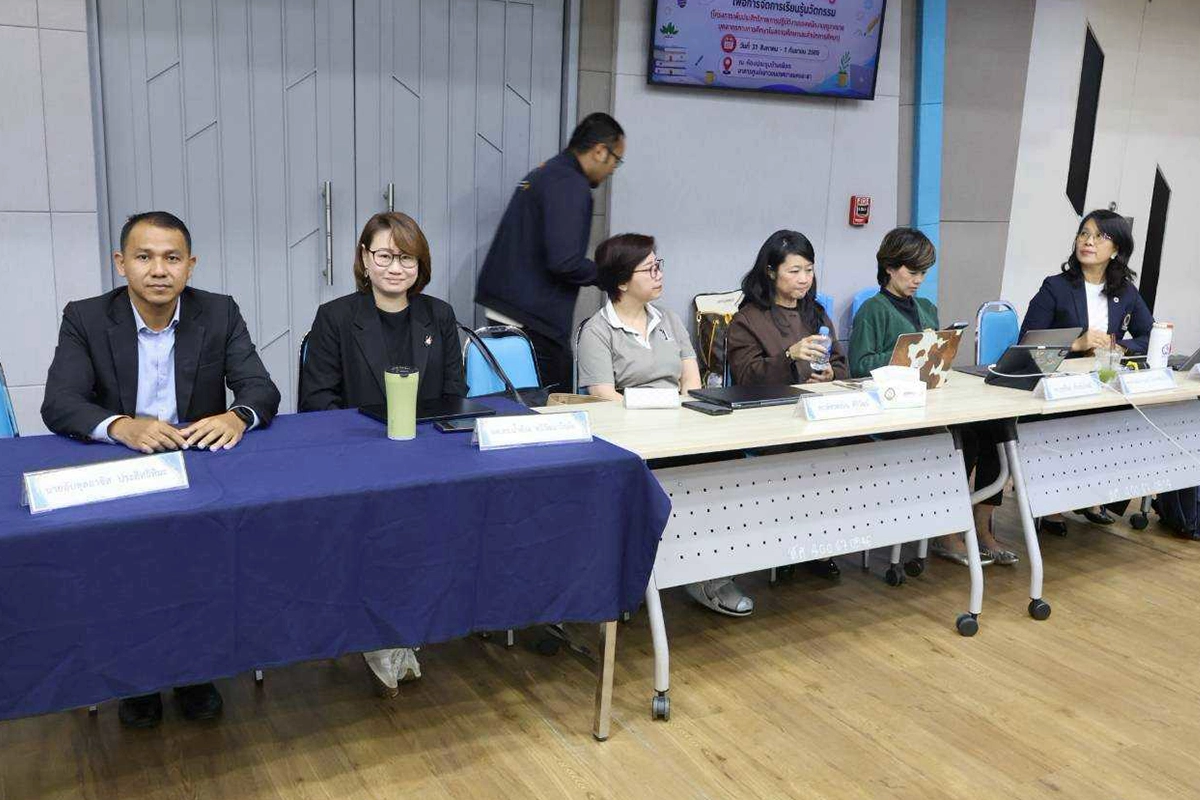
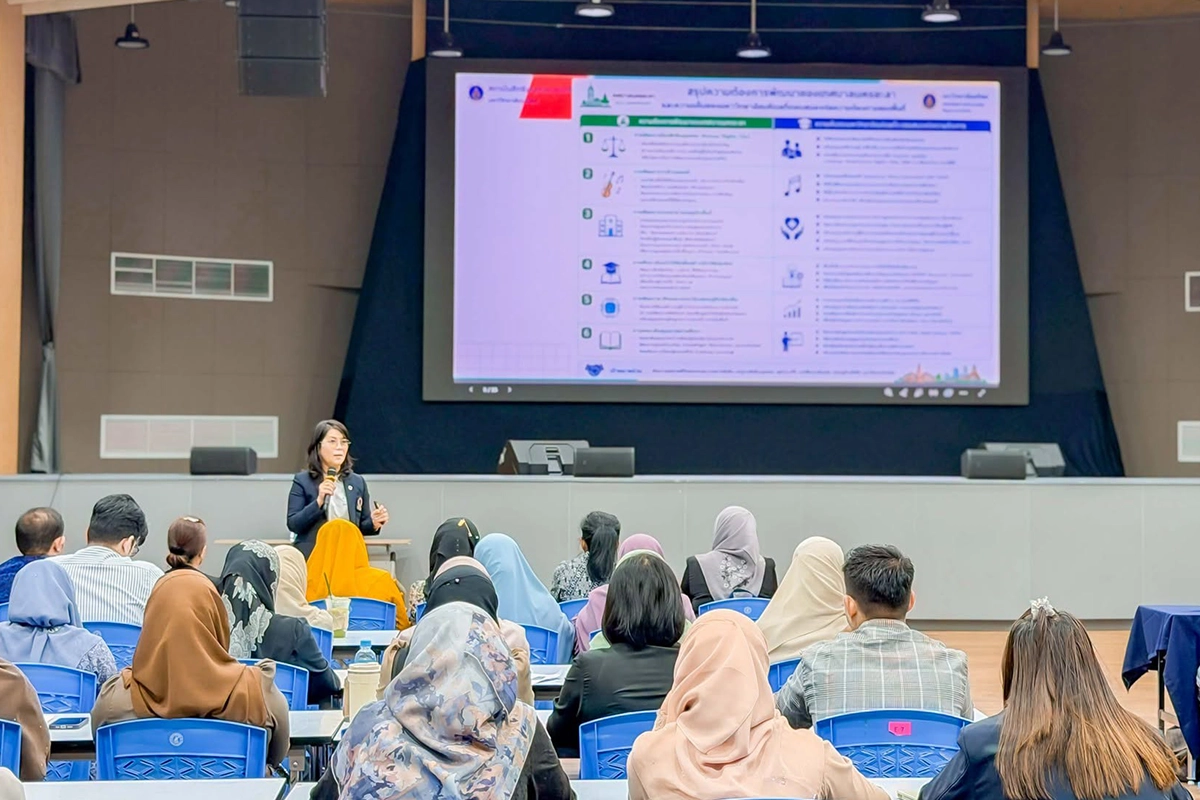
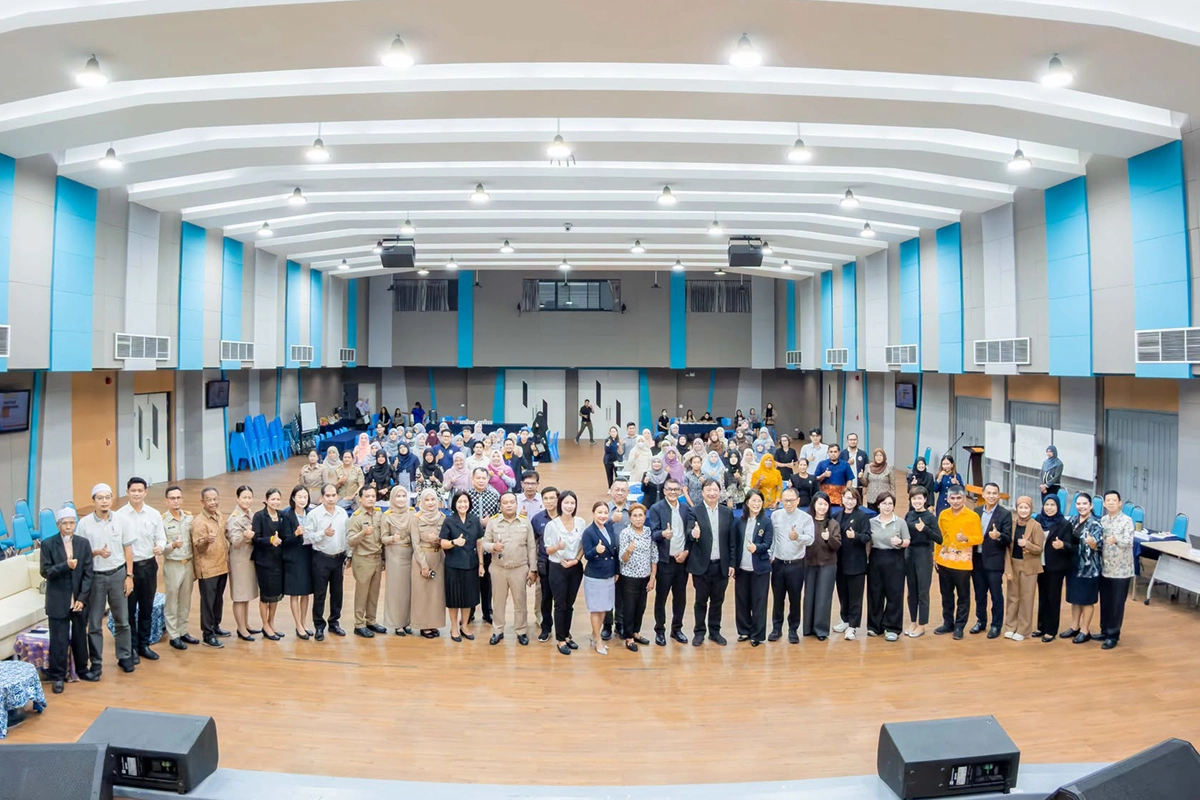
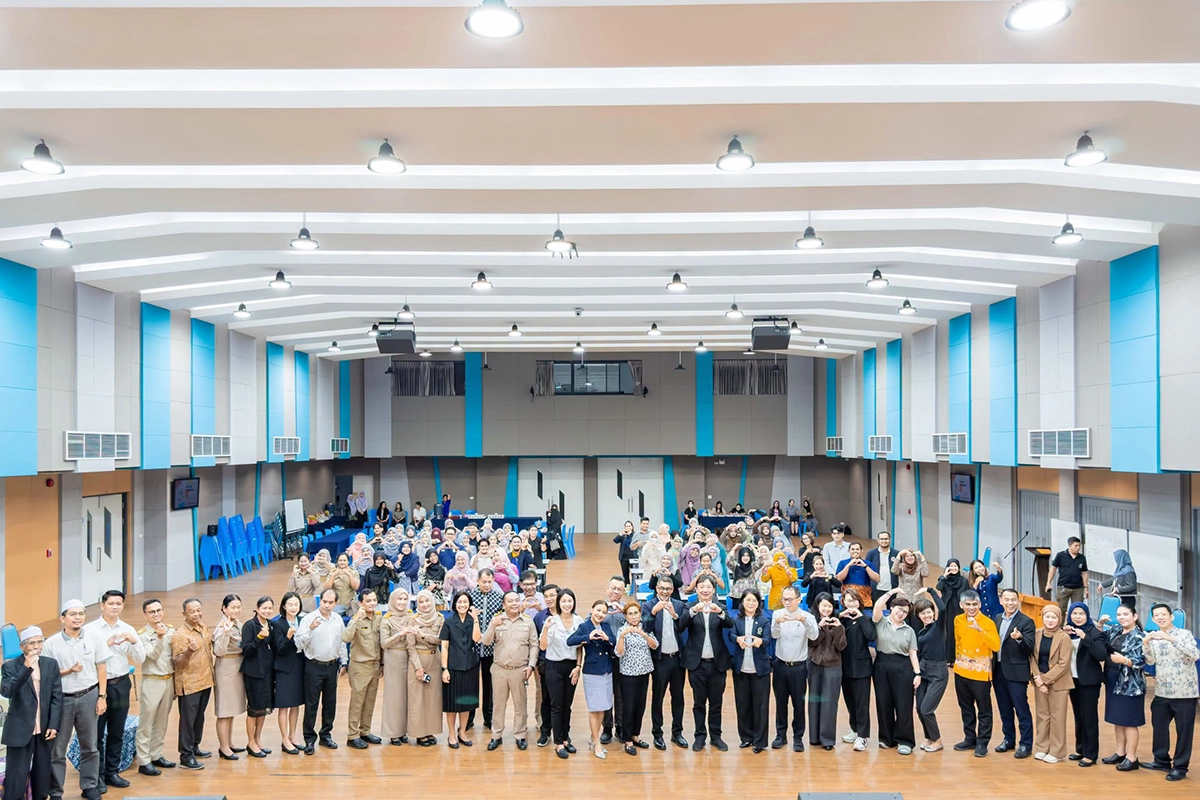
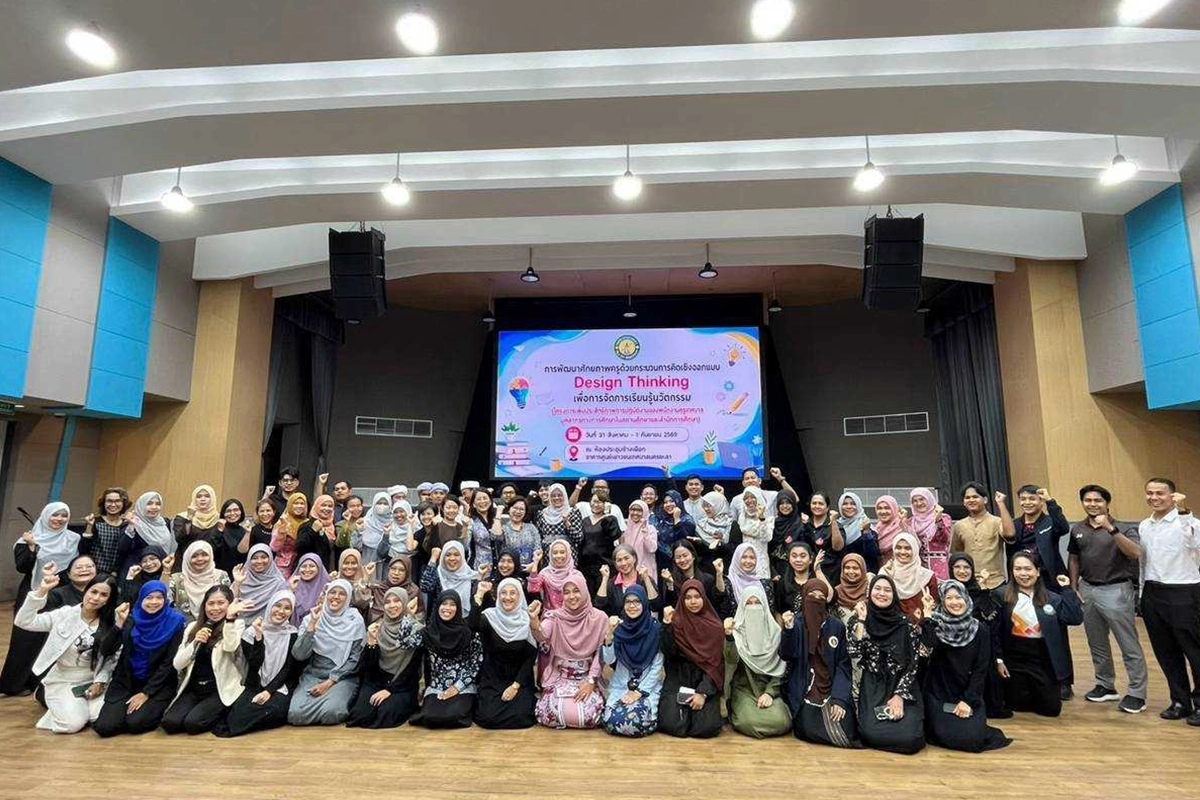
The Institute for Innovative Learning (IL), Mahidol University, contributed to strengthening the capacity of teachers and educational personnel in Yala Province through the workshop “Innovative Teachers for Sustainable Peace and Development,” held from August 31 to September 1, 2026, at Chang Phueak Meeting Room, TK Park, Mueang District, Yala Province. The initiative aimed to empower teachers to design learning experiences that enable children and young people to become “young innovators” who can identify challenges, ask meaningful questions, and create solutions that contribute to the development of their communities.
The workshop was part of the “Policy Laboratory for Developing Yala as a Model City for Sustainable Development” project, which emerged from efforts to strengthen collaboration between Mahidol University and Yala City Municipality. The initiative promotes Yala as a testing and learning environment for an innovation ecosystem, or “Yala Sandbox,” connecting knowledge and expertise in education, research, health, and the local economy to improve quality of life, enhance the potential of the area, and support sustainable peacebuilding.
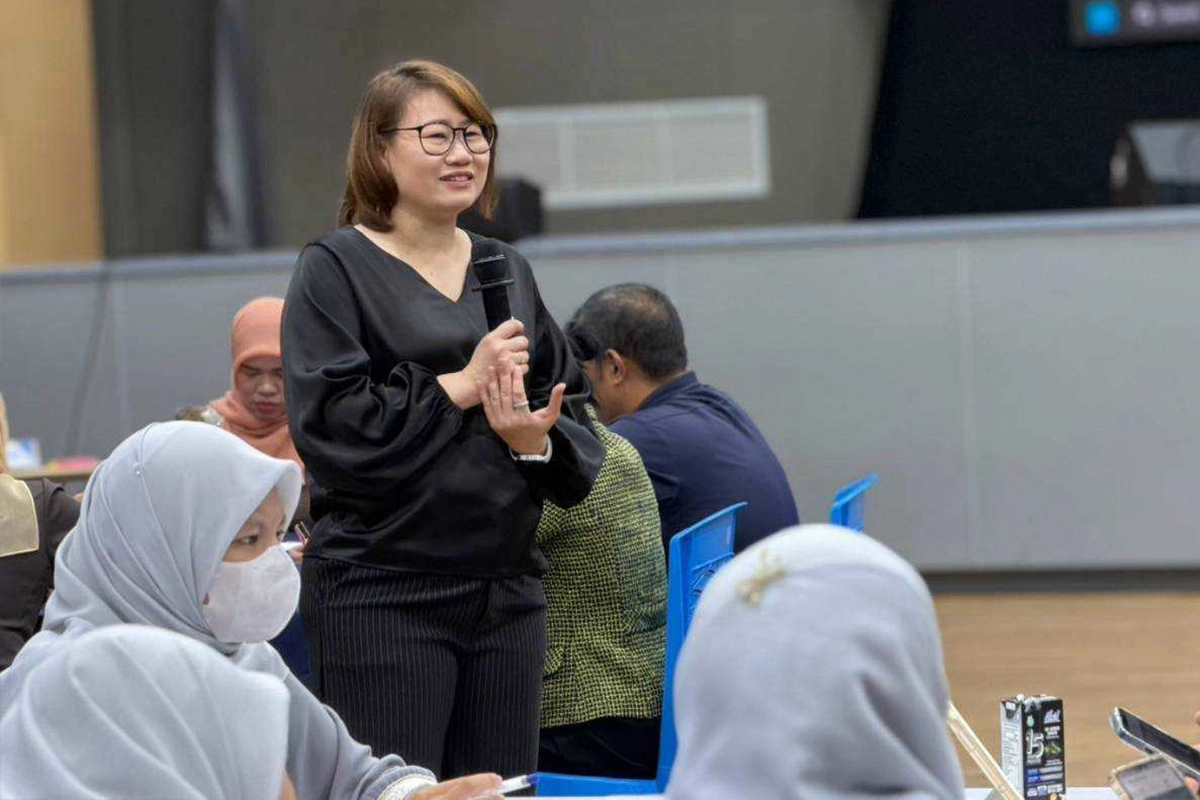
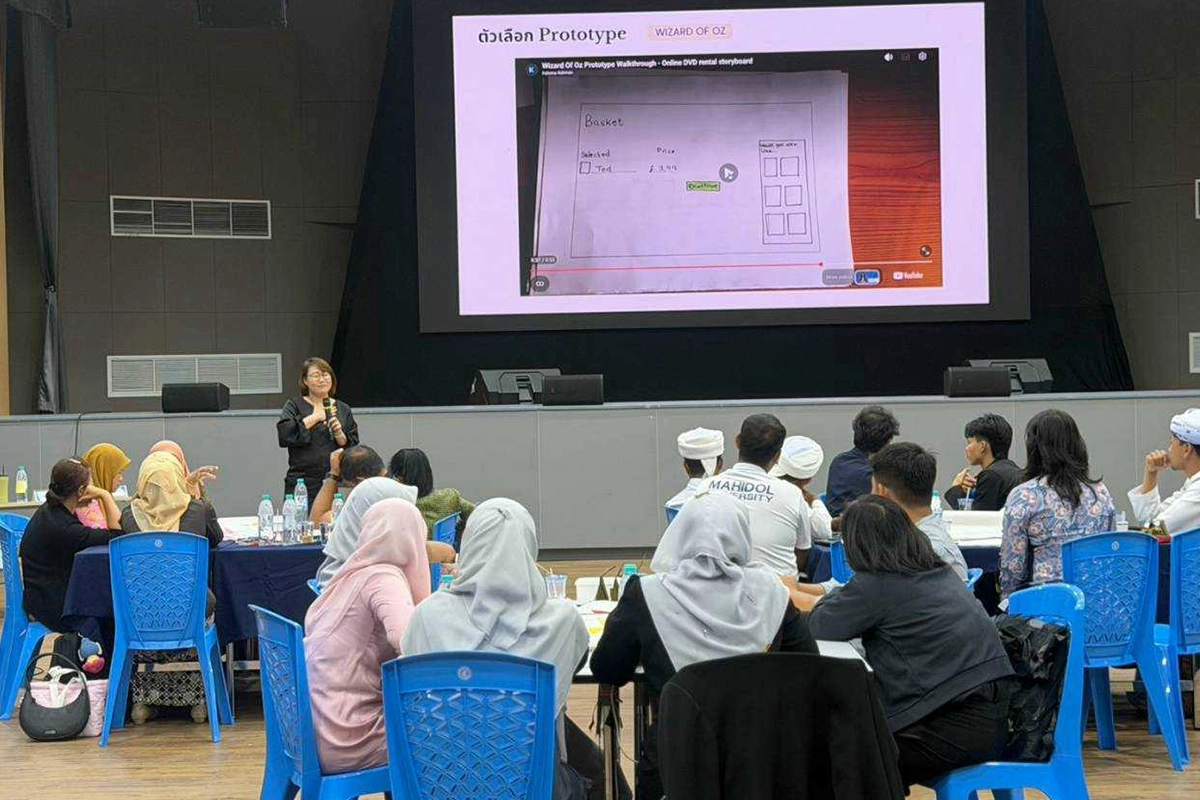
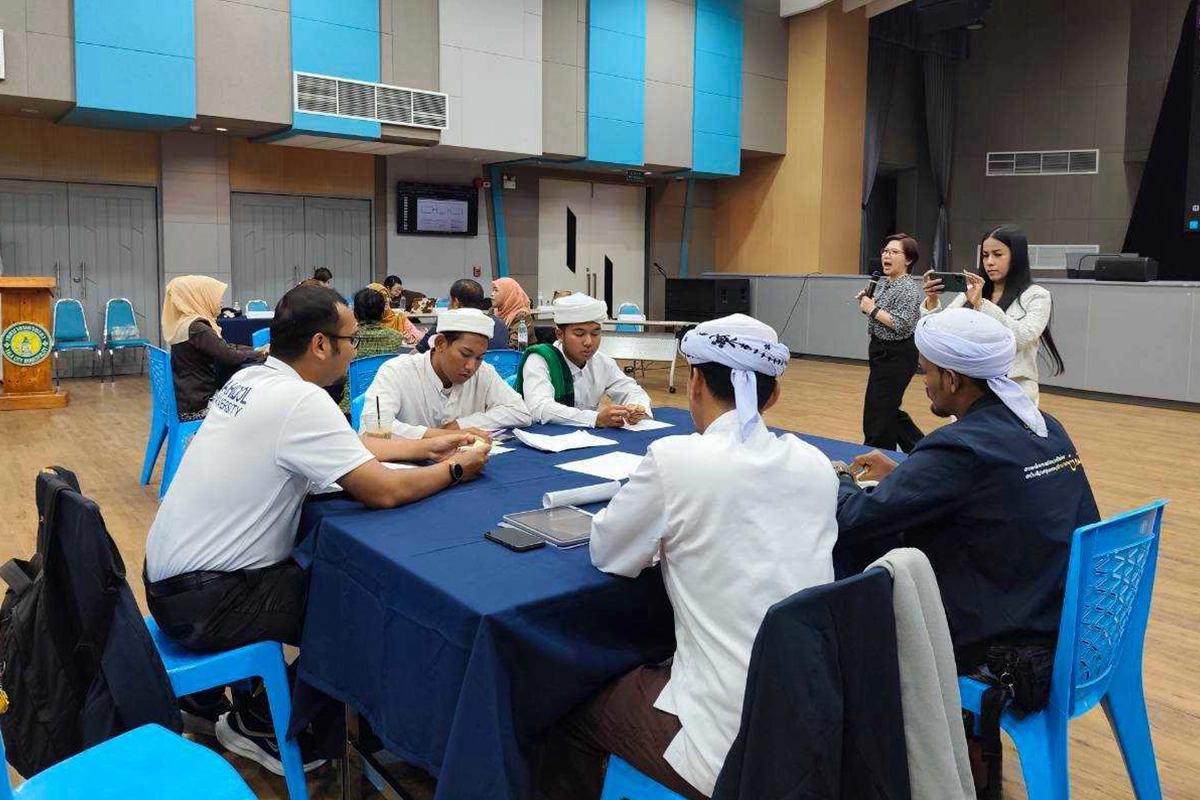
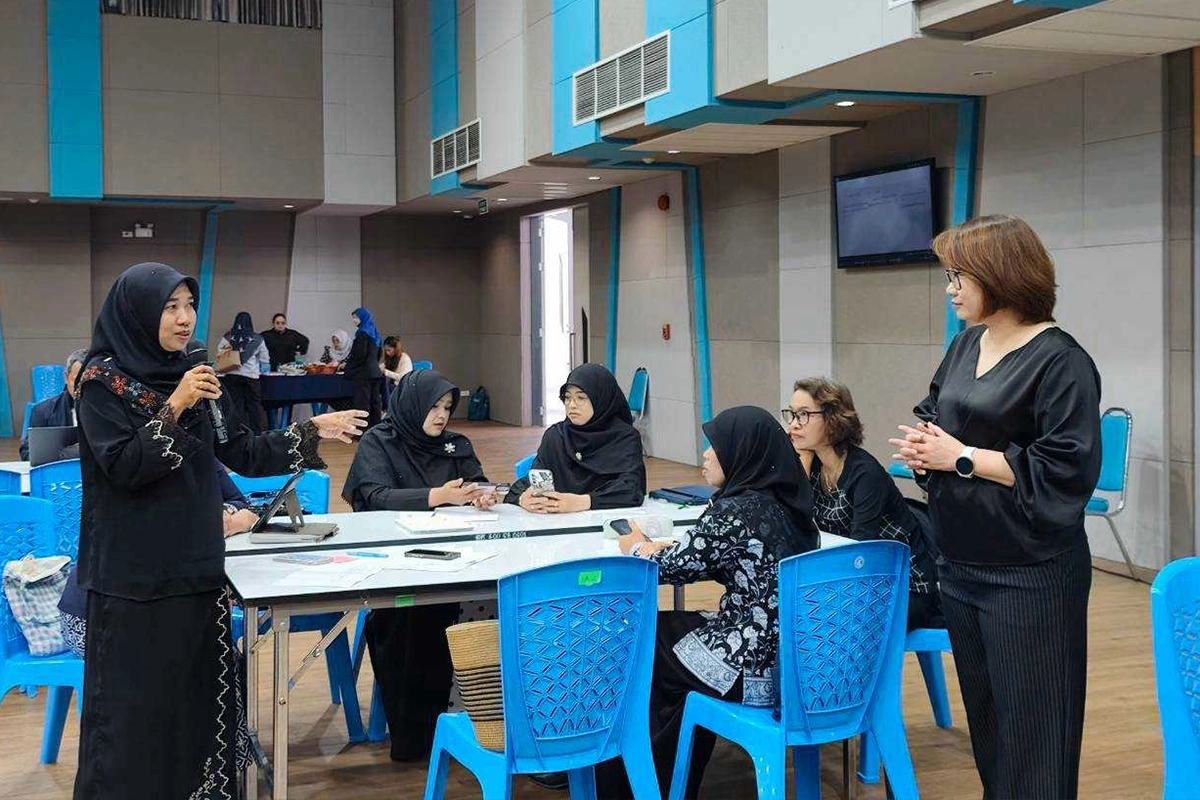
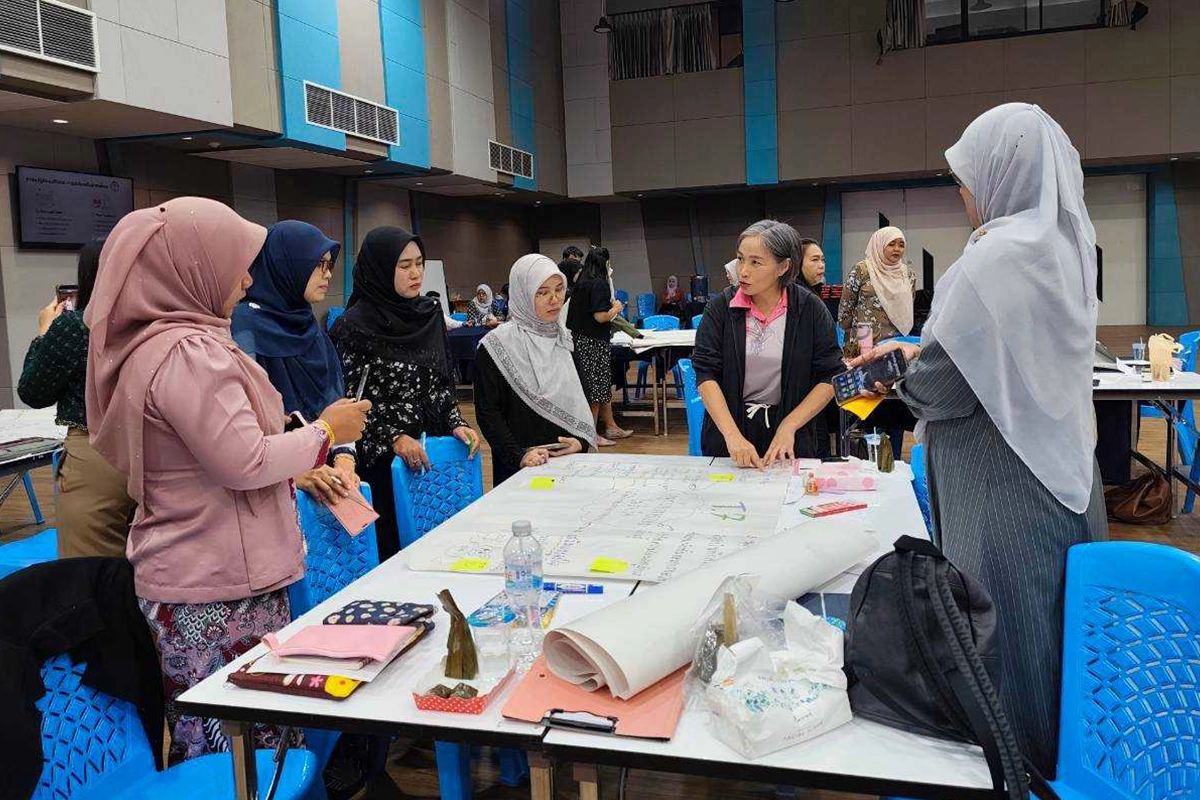
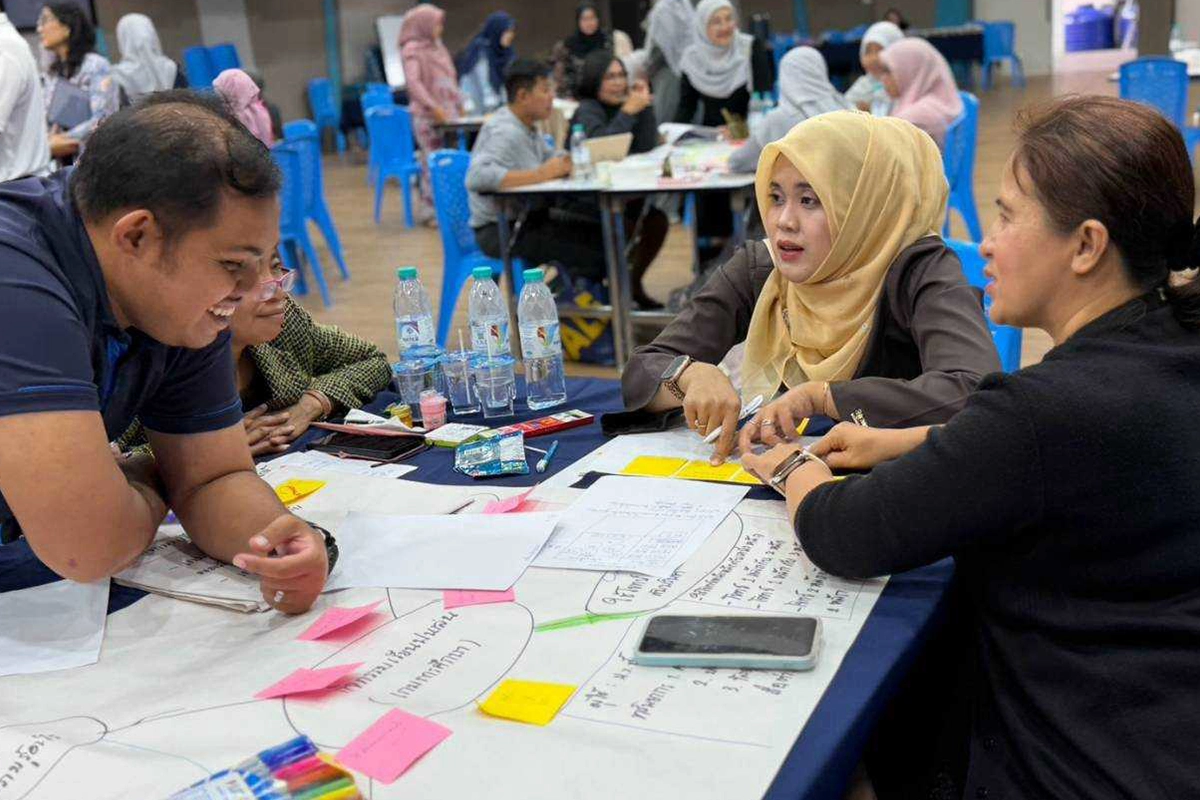
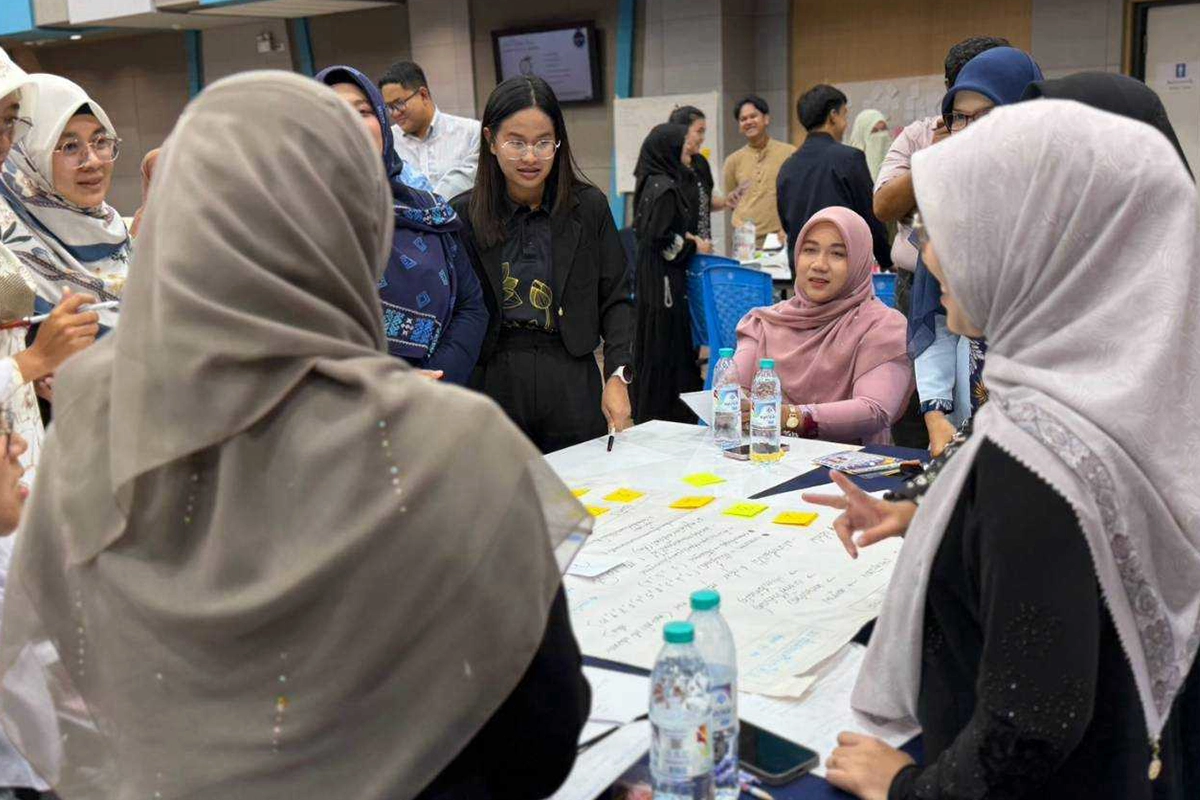
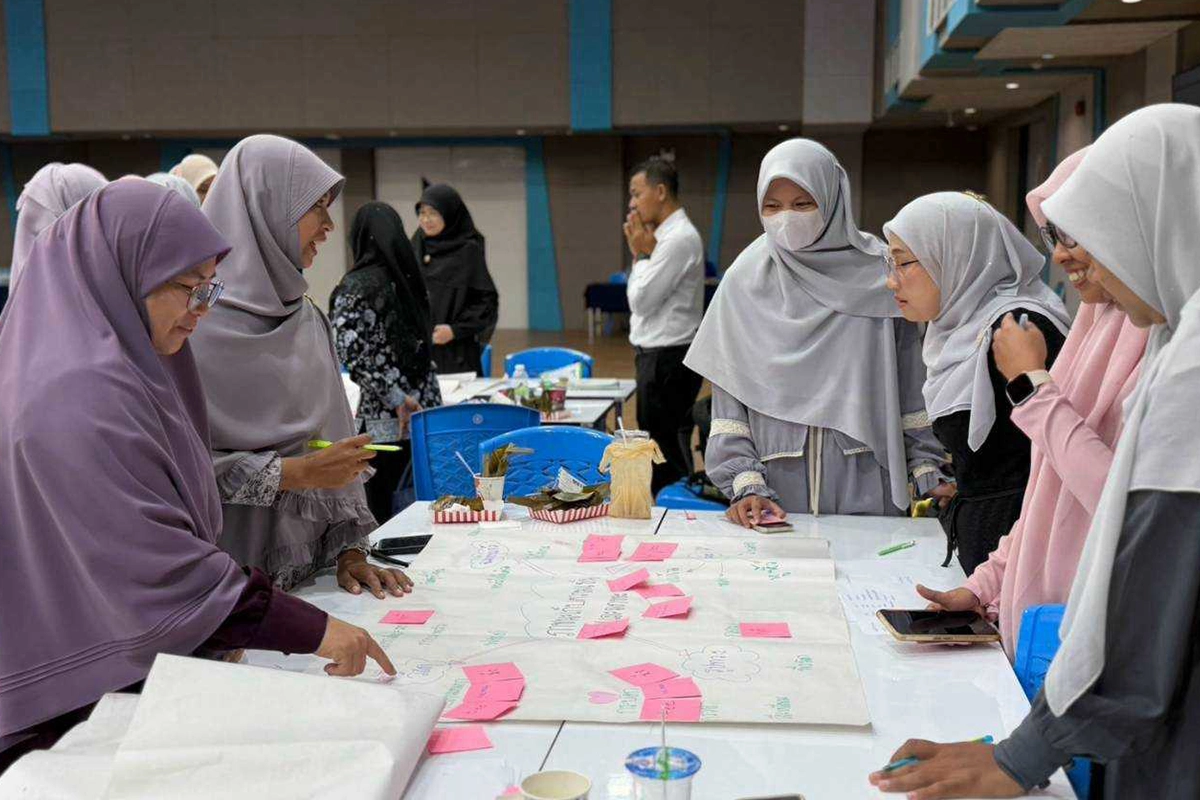
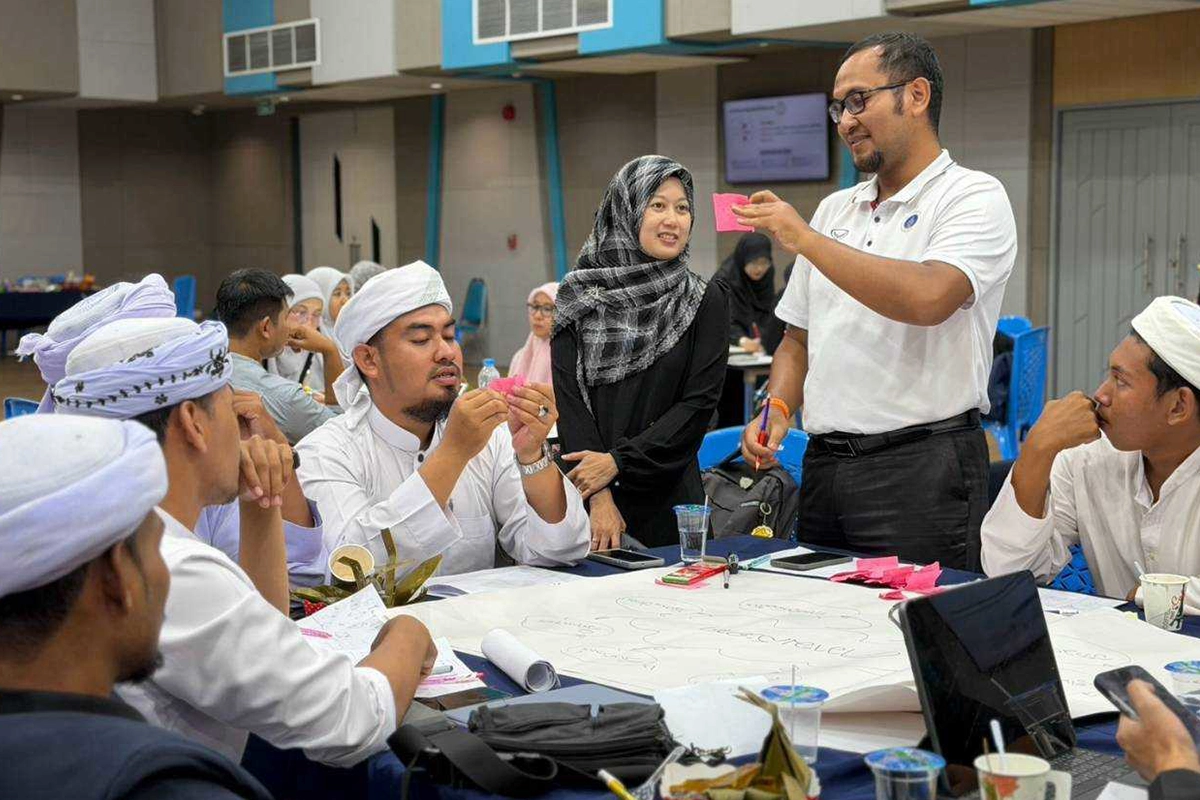
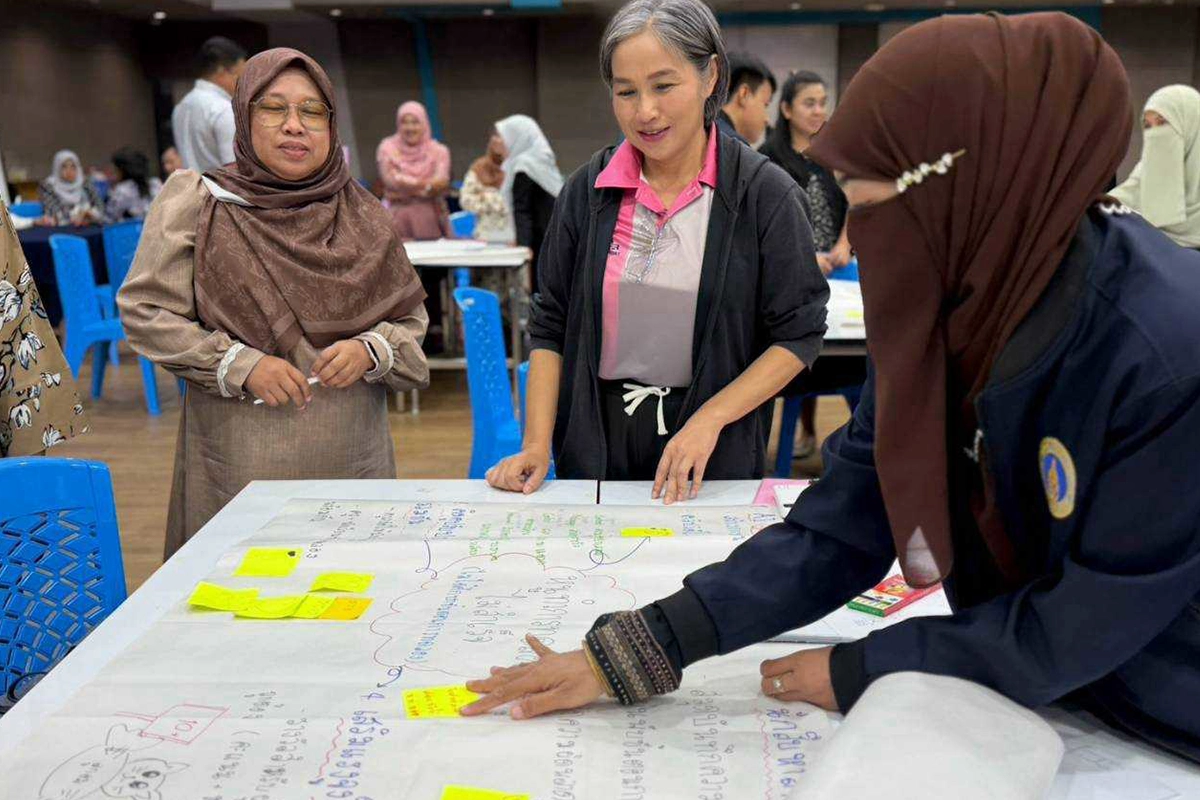
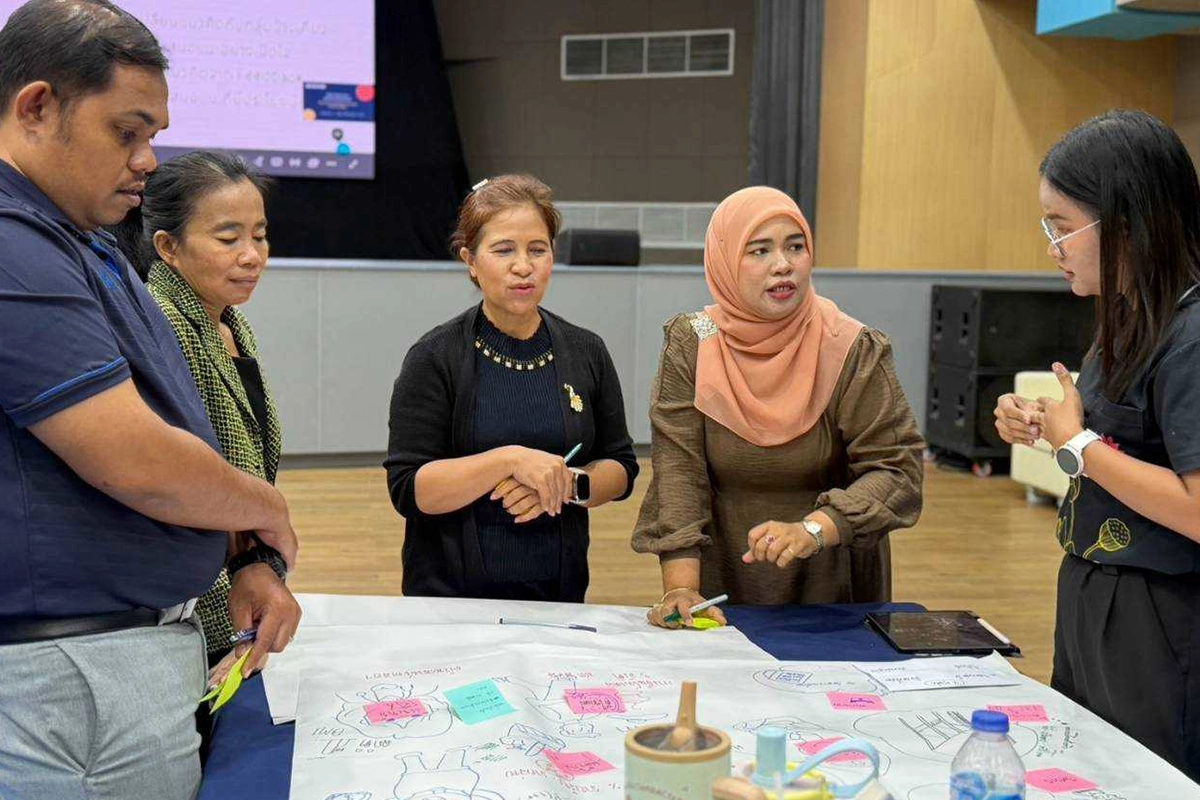
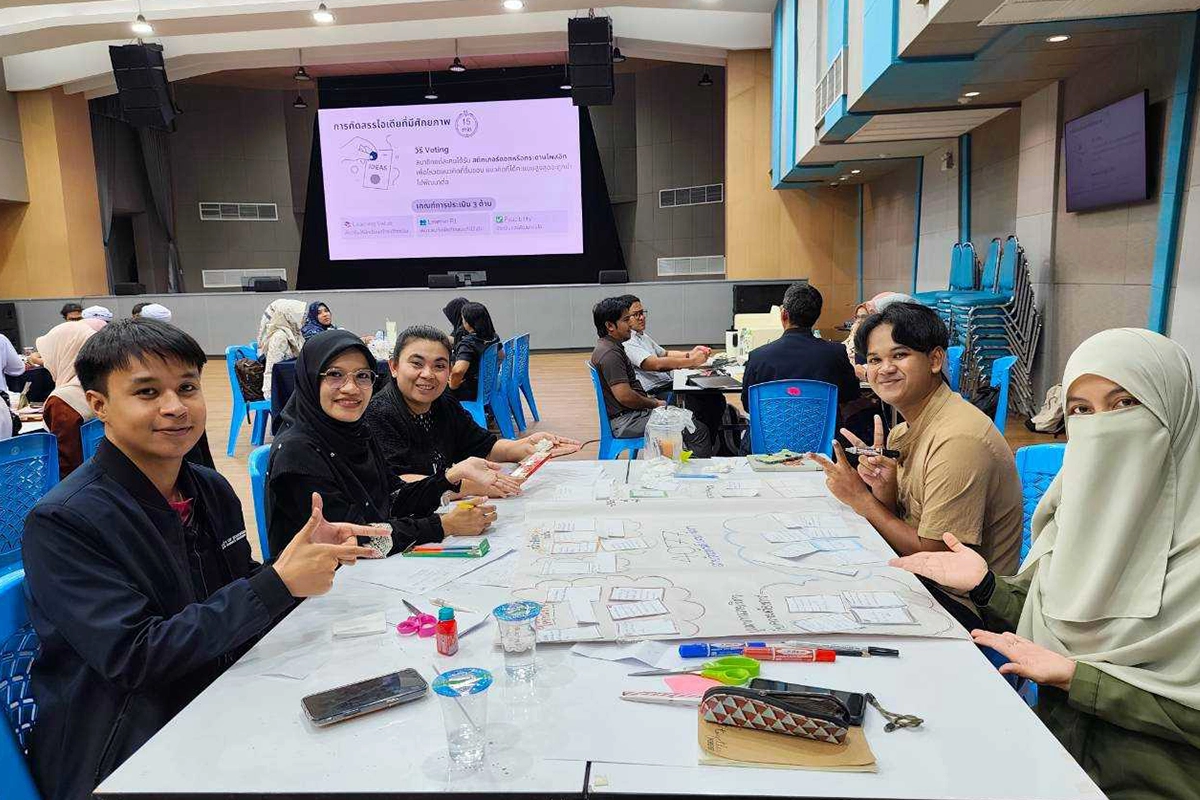
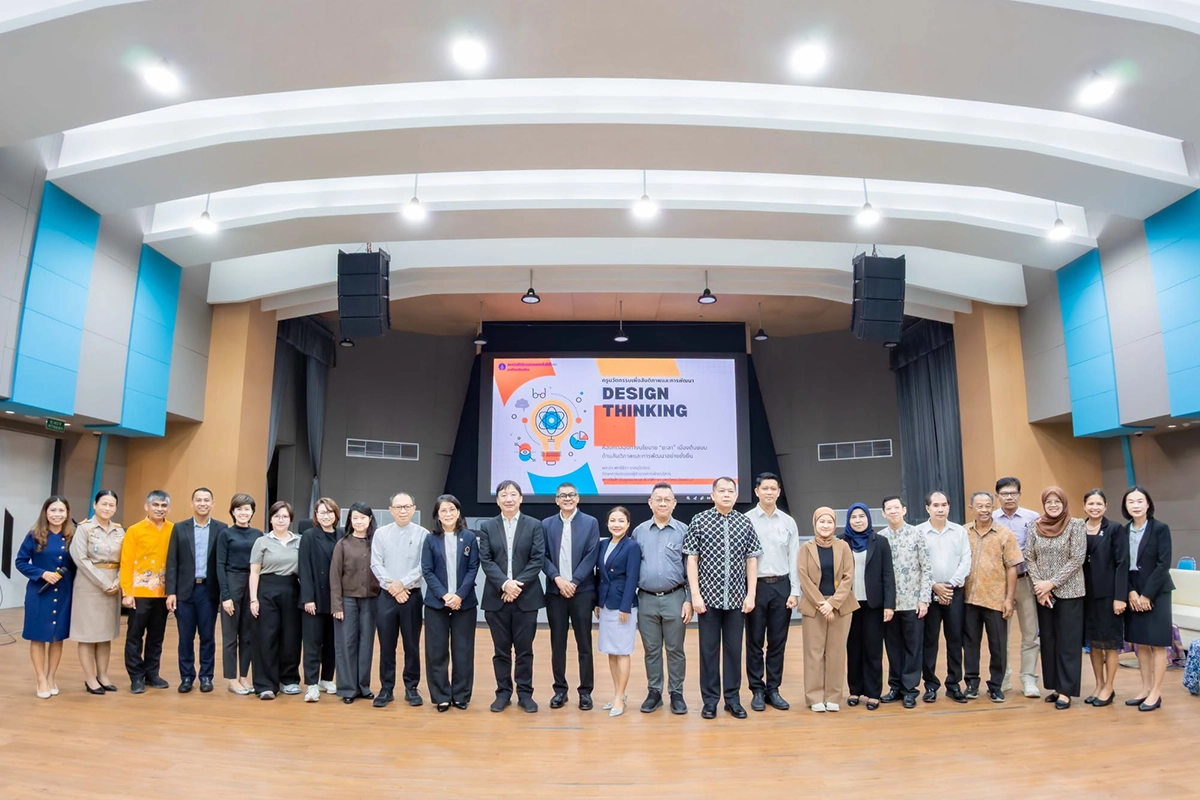
A key focus of the workshop was the application of Design Thinking as a practical tool for teacher development. Participants learned how to design learning experiences based on the real needs and challenges of learners and their communities. The process covered understanding people and contexts, defining problems, generating ideas, and developing prototypes of possible solutions through hands-on activities, collaborative learning, and the exchange of perspectives.
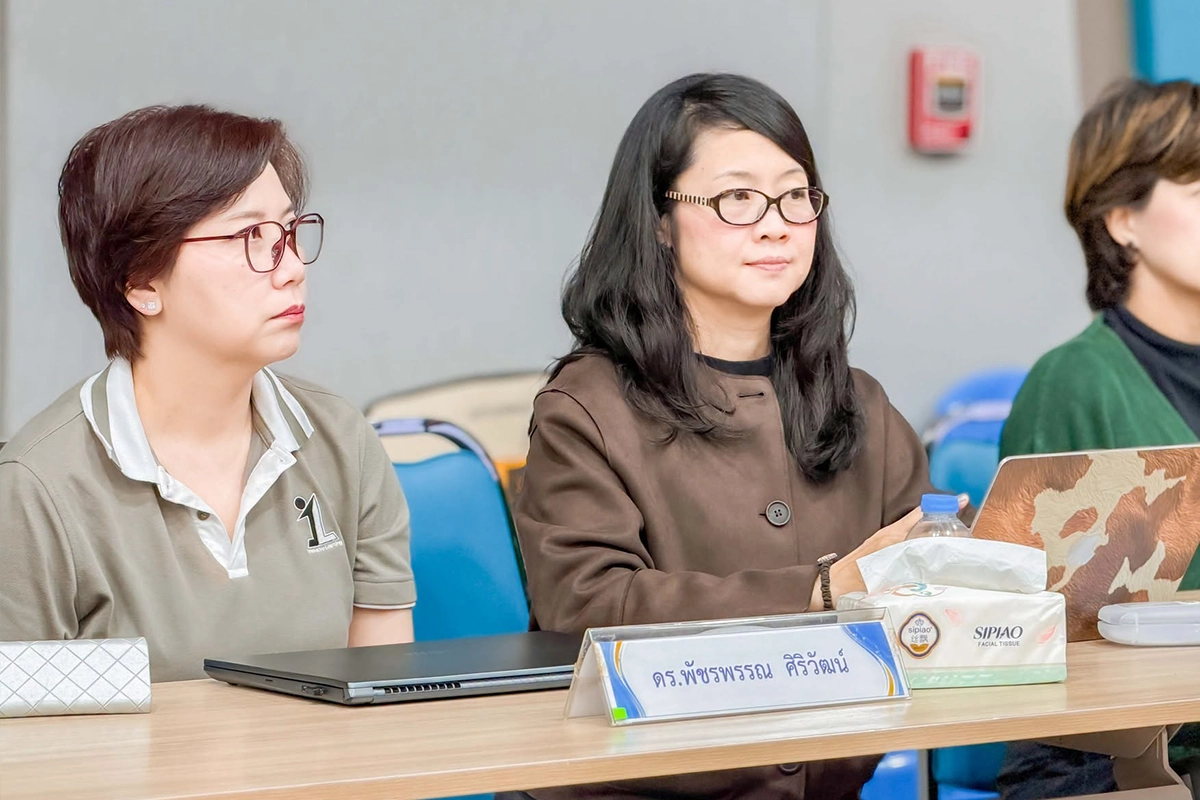
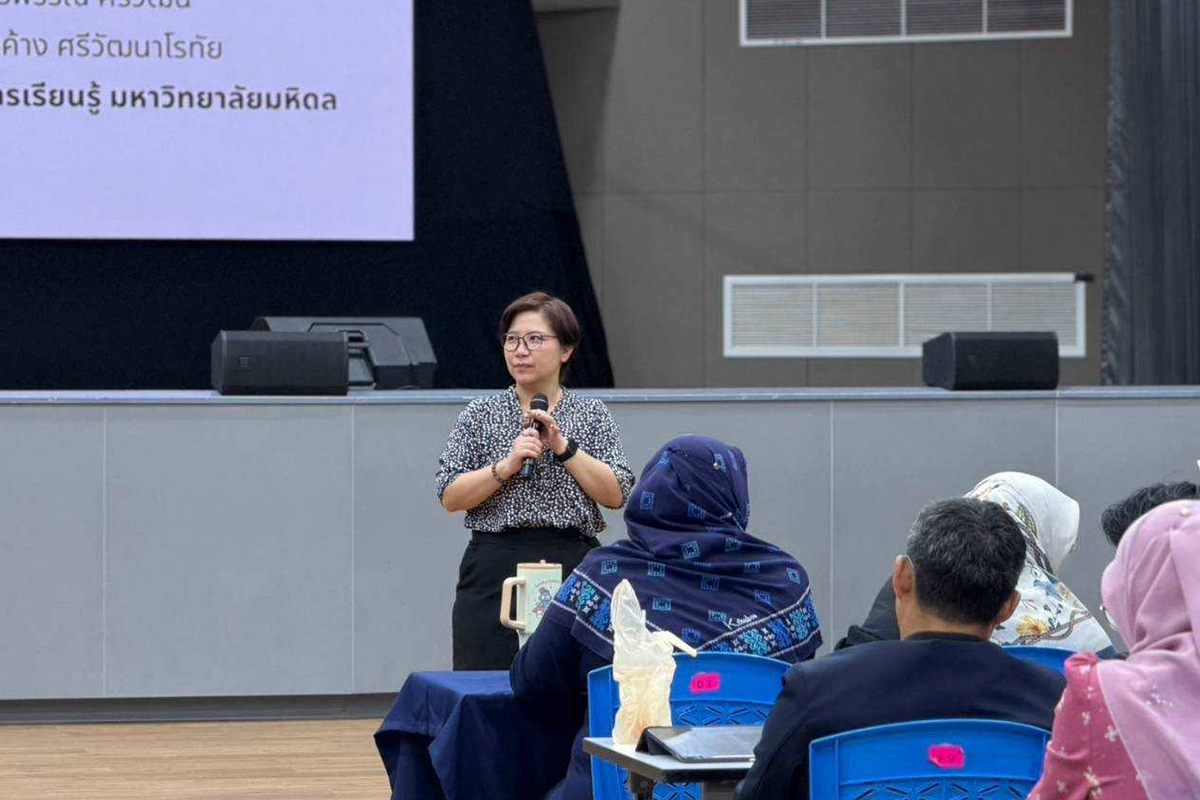
On this occasion, Asst. Prof. Dr. Namkhang Srivattanarotai, Deputy Director for Education and Network Development, and Dr. Patcharaphan Siriwat, Institute for Innovative Learning, Mahidol University, were invited as speakers. They shared their expertise and experience in Design Thinking and Learning Design, translating these concepts into practical learning processes that enable teachers to connect innovation with real-world educational contexts and apply the acquired tools directly in their classrooms.
The contribution of the Institute for Innovative Learning extends beyond knowledge transfer. Through this initiative, IL plays a role in developing “innovative teachers” who can become key drivers in nurturing “young innovators” in the local community. Teachers are empowered to create learning environments where students can observe challenges around them, ask meaningful questions, think creatively, experiment, take action, and learn from both success and failure.
When teachers are able to design learning experiences connected to students’ lives and local contexts, children and young people can move beyond being passive recipients of knowledge and become active contributors to change. They can apply their ideas, knowledge, and understanding of their hometowns to develop solutions and innovations that respond to the needs of their schools, families, and communities.
The Impact of this initiative therefore extends from teachers to learners and ultimately to the wider community. Education serves as a foundation for developing a new generation that understands diversity, collaborates with others, and applies creativity and responsible problem-solving to address challenges. These qualities are essential for nurturing citizens who can contribute to the development of Yala as a more inclusive, peaceful, and sustainable community.
This initiative reflects the Institute for Innovative Learning’s commitment to “bringing knowledge into action and creating meaningful change” by developing teachers as change agents and laying the foundation for children and young people to become young innovators. Through learning innovation and Design Thinking, IL continues to connect academic knowledge with real-world challenges and contribute to building a learning ecosystem that empowers communities to shape a better and more sustainable future.
Cr. Yala City Municipality

* Individuals appearing in this article who wish to have their images removed, please contact us at 0-2441-9729 or ilpdpa@mahidol.ac.th.