
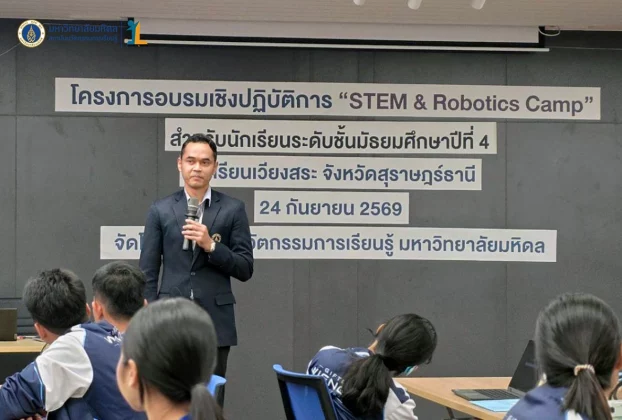
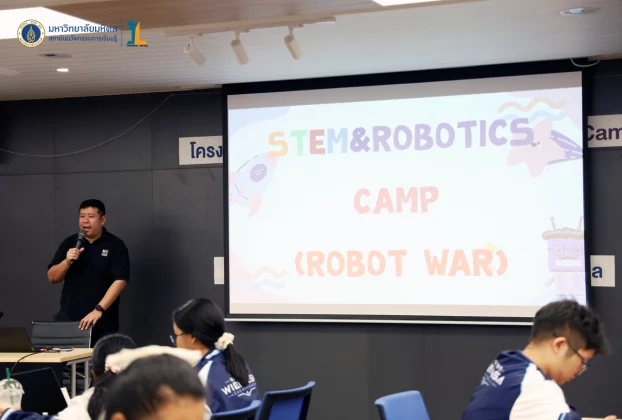
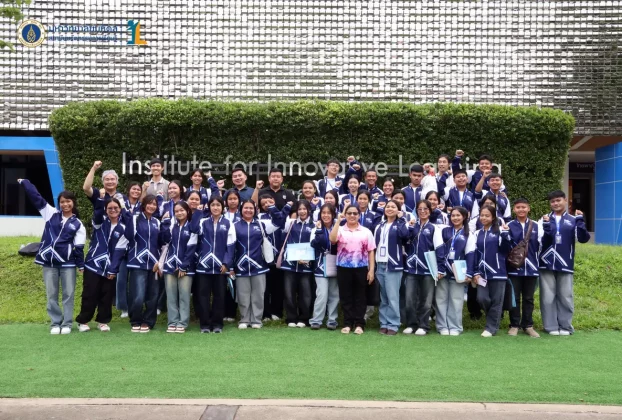
The Institute for Innovative Learning (IL), Mahidol University, organized the “STEM & Robotics Camp (Robot War Activity)” for Grade 10 students in the Science and Mathematics Gifted Program from Wiang Sa School, Surat Thani Province, on September 24, 2026, at the Chailerd Pichitpornchai Conference Room, 1st Floor, Institute for Innovative Learning, Mahidol University, Salaya, Nakhon Pathom.
The activity was designed to promote hands-on learning and strengthen students’ competencies in STEM Education, Programming, and Robotics, providing them with opportunities to connect scientific and technological knowledge with practical applications.
The workshop was developed around the theme “Robot War: Drive System, Motors and Radio Communication via micro:bit.” Students explored the fundamentals of micro:bit and Expansion Boards, practiced programming basic functions, and learned how to connect and control motors and robotic drive systems. They also explored radio communication between micro:bit boards, providing an essential foundation for developing robotic control systems.
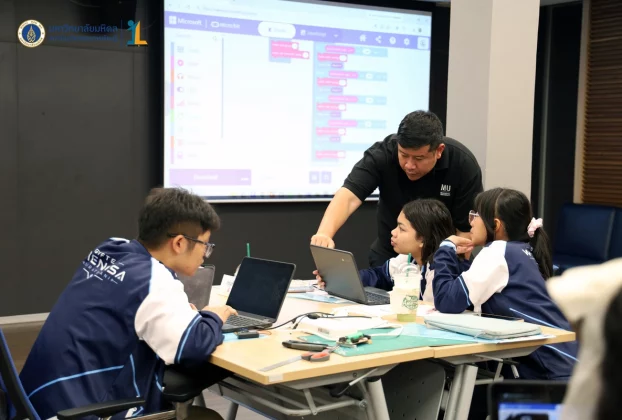
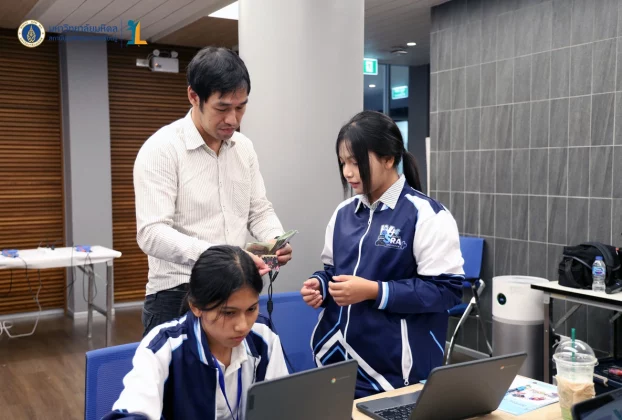
The learning process began with an introduction to the micro:bit board and its functions. Students practiced basic programming commands, including LED display functions and other onboard features, before progressing to the use of Expansion Boards and the integration of drive systems with the micro:bit.
Students then developed programs to control robotic movement and experimented with radio communication, including the creation of a remote controller and a signal receiver installed on the robot. Through hands-on experimentation, students gained a clearer understanding of how programming, electronics, communication systems, and mechanical movement work together within a robotic system.
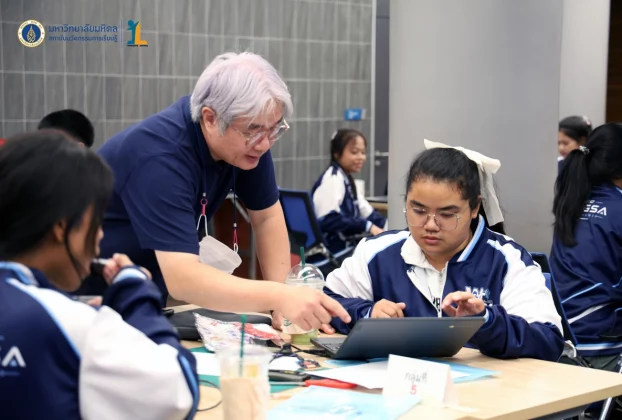
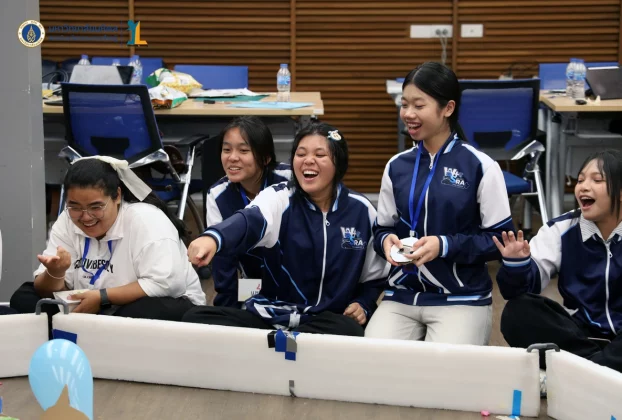
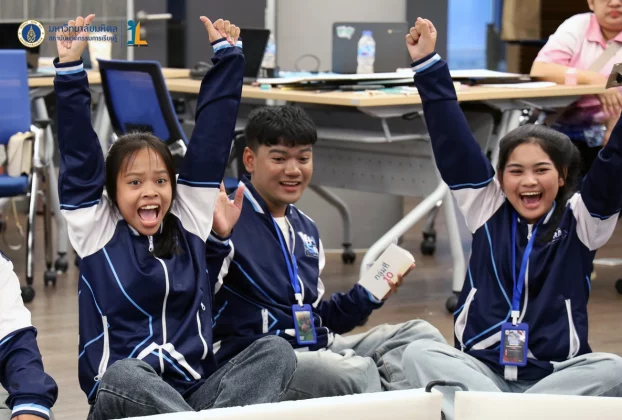
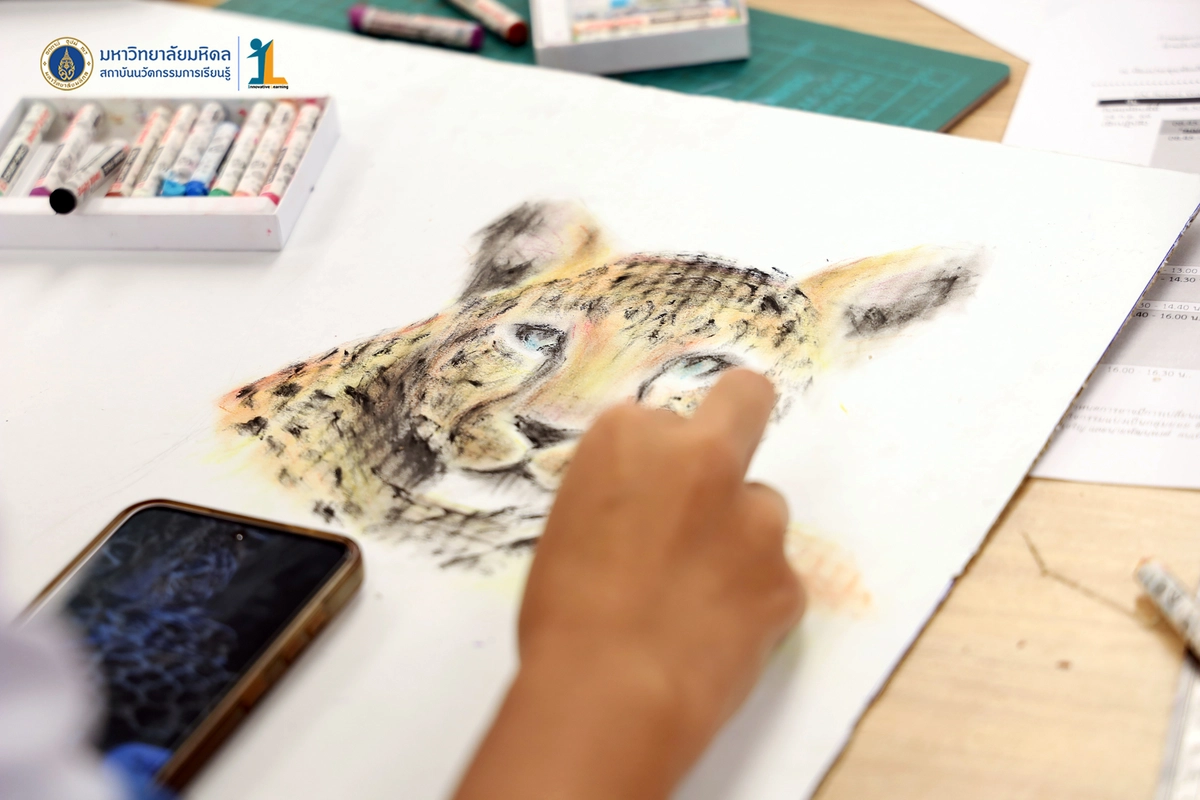
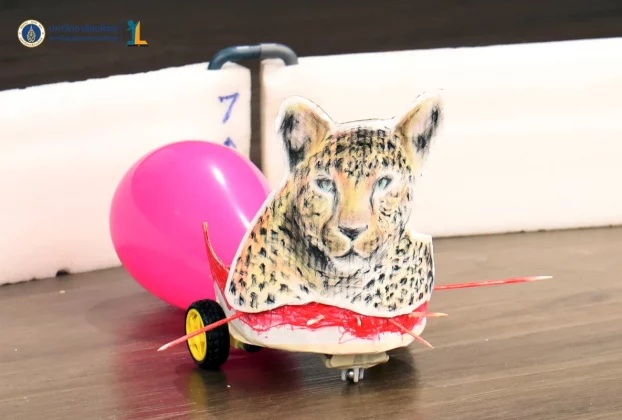
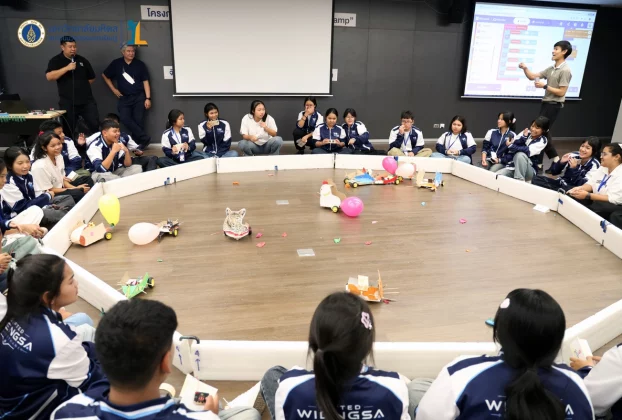
In the afternoon session, students engaged in the “Design, Build and Improve” process. Working in teams, they designed and built their own robots, including structural design, assembly, decoration, and testing of the drive system. They then refined their designs and applied their knowledge to complete the assigned challenges before participating in the Robot War activity.
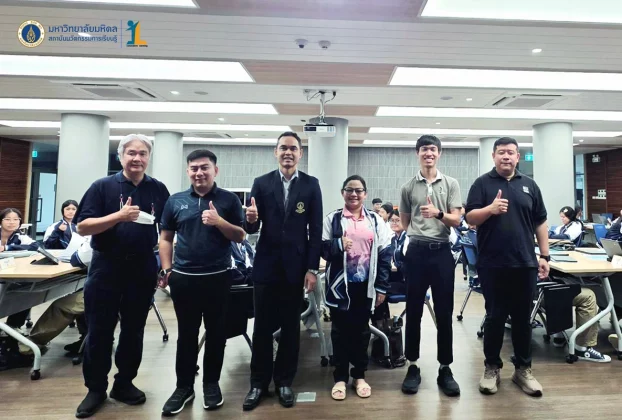
The workshop was conducted by a team of instructors, including Dr. Pongpatai Kijrungrojanaporn, Mr. Namchok Khunmuenwong, Mr. Patcharasit Pijaroen, and Mr. Pattanapong Khonthiang, who provided guidance and support throughout the learning process. Particular emphasis was placed on teamwork, communication, systematic thinking, problem-solving, and learning through experimentation and iteration.
Beyond technical knowledge, the Robot War activity was designed to develop essential 21st-century skills, including creative thinking, systems thinking, problem-solving, collaboration, and the ability to evaluate and improve ideas based on testing and evidence. These competencies are increasingly important for learners preparing to navigate a rapidly changing technology-driven world.
The activity reflects the Contribution of the Institute for Innovative Learning, Mahidol University, in bringing together expertise in STEM Education, Learning Innovation, Programming, Robotics, and Experiential Learning to create meaningful learning experiences for young learners. Through hands-on activities, IL provides opportunities for students to transform scientific and technological knowledge into practical solutions and innovative creations.
The Impact of the activity extends beyond building a robot or learning programming skills. It aims to cultivate an innovation-oriented mindset through the iterative learning cycle of learning, designing, building, testing, analyzing, and improving. These experiences can help students develop transferable approaches to problem-solving that can be applied to real-world challenges in the future.
This initiative represents another important contribution of the Institute for Innovative Learning in “bringing knowledge into action and creating meaningful change.” By providing engaging STEM and Robotics learning experiences, IL helps spark young people’s curiosity, strengthen their potential, and lay the foundation for them to become future creators, innovators, and technology leaders.
* Individuals appearing in this article who wish to have their images removed, please contact us at 0-2441-9729 or ilpdpa@mahidol.ac.th.