
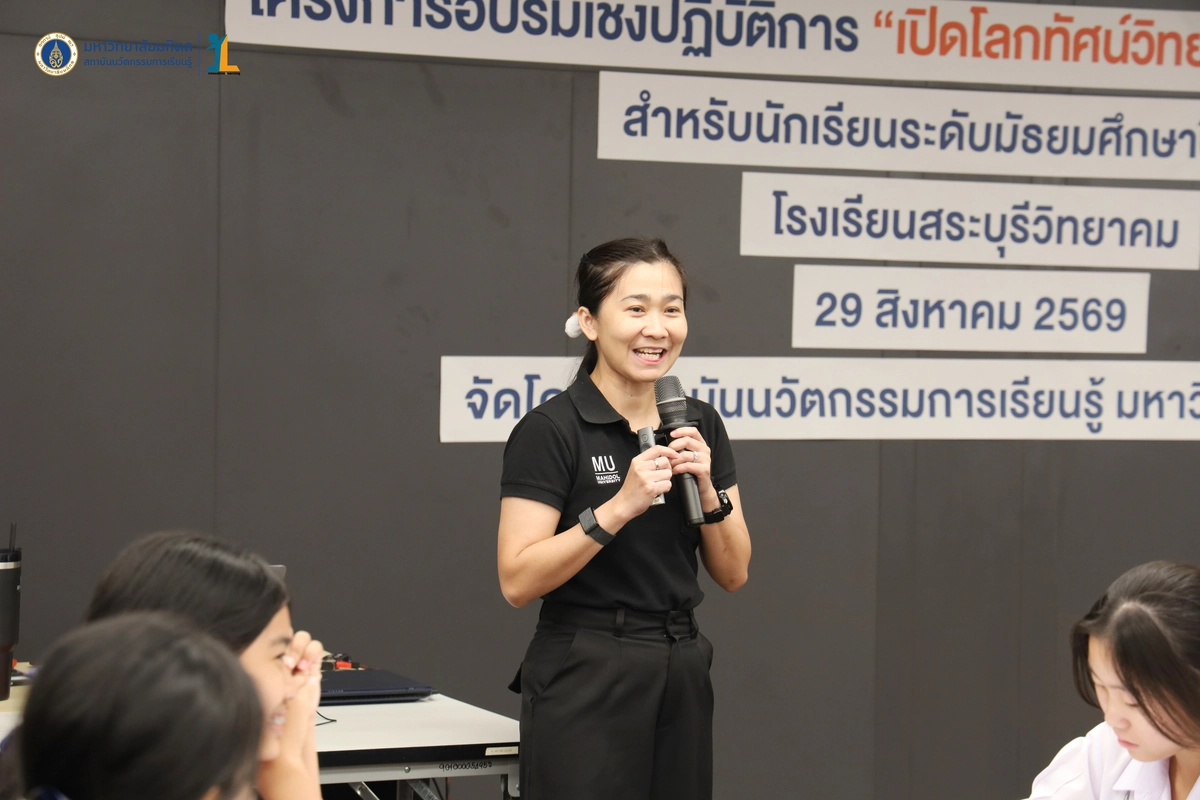
The Institute for Innovative Learning (IL), Mahidol University, organized the workshop “Exploring Science and Innovation” for Grade 10–12 students from Saraburi Witthayakhom School, Saraburi Province, on August 29, 2026, at the Chailerd Pichitpornchai Conference Room, 1st Floor, Institute for Innovative Learning, Mahidol University, Salaya Campus, Nakhon Pathom.
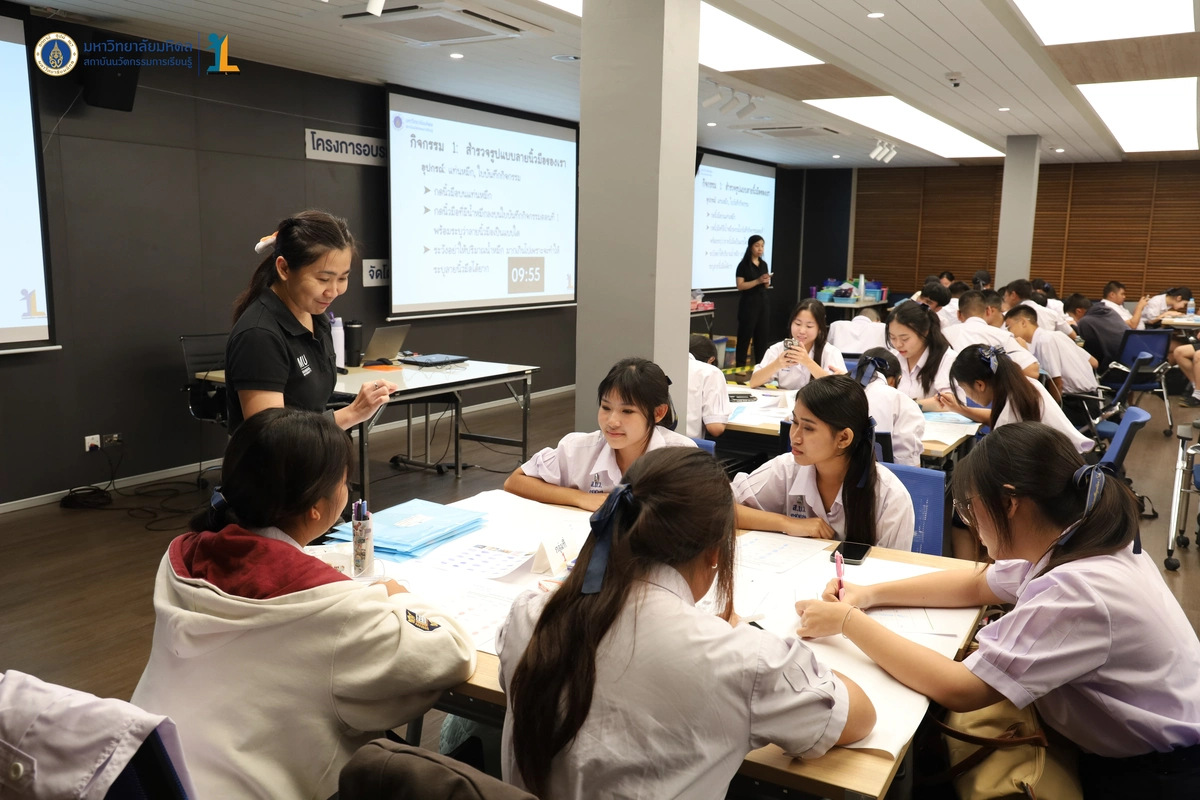
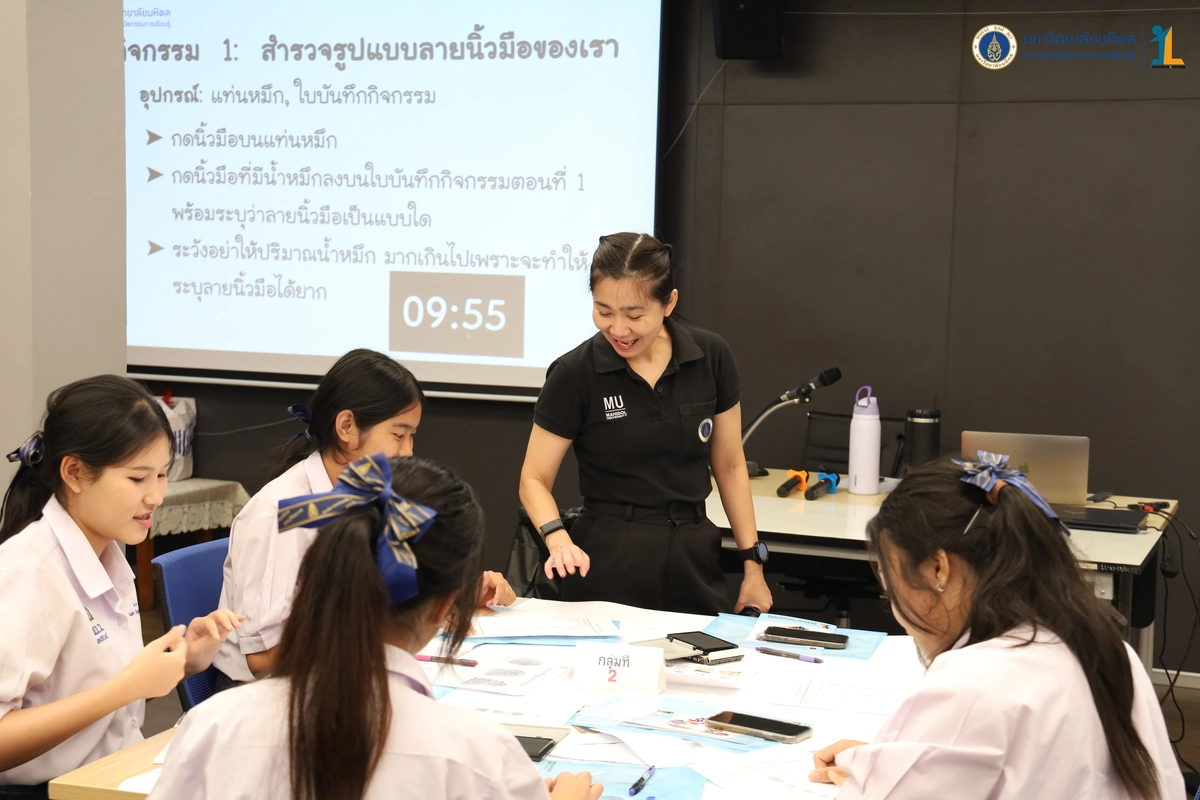
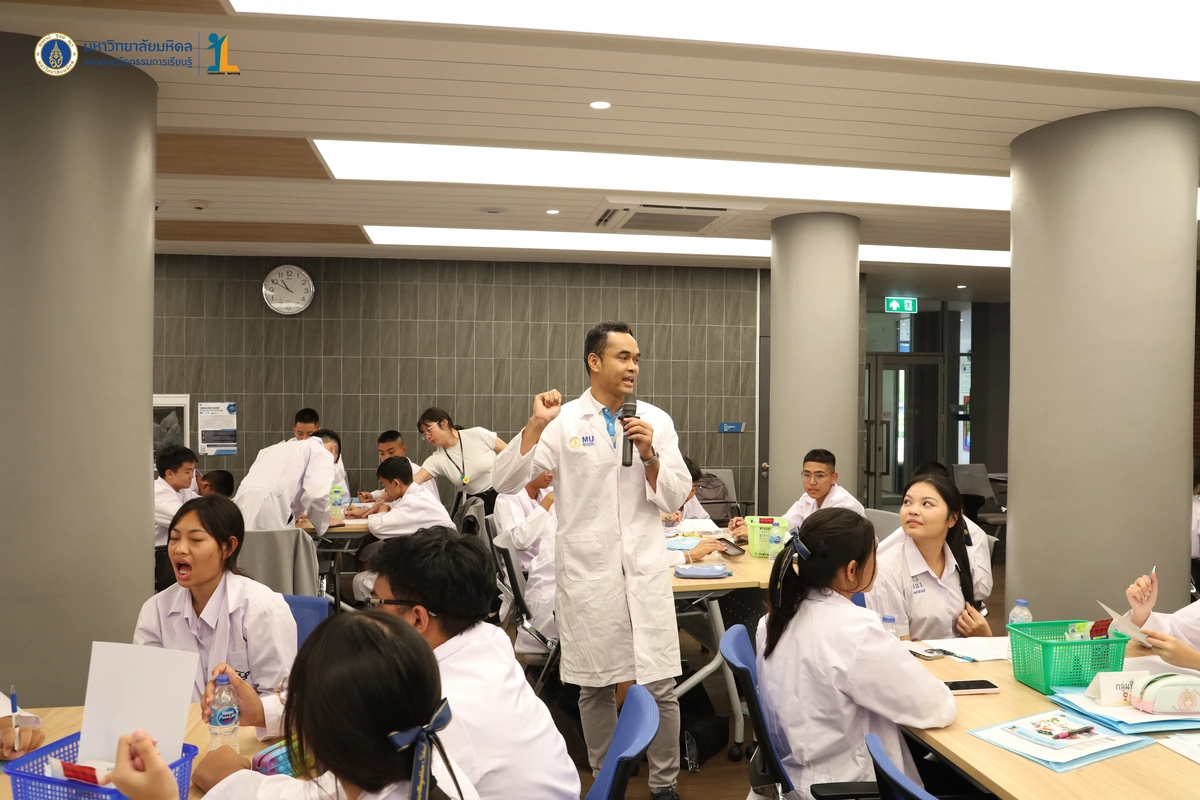
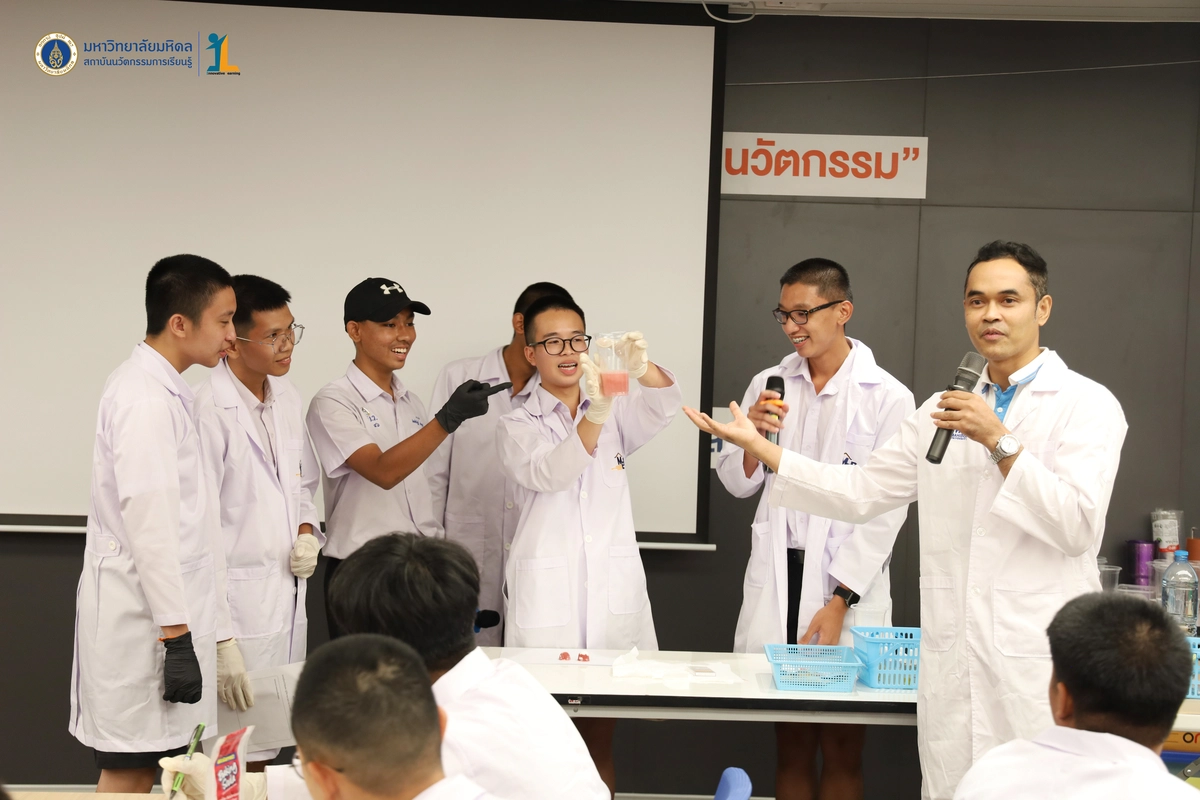
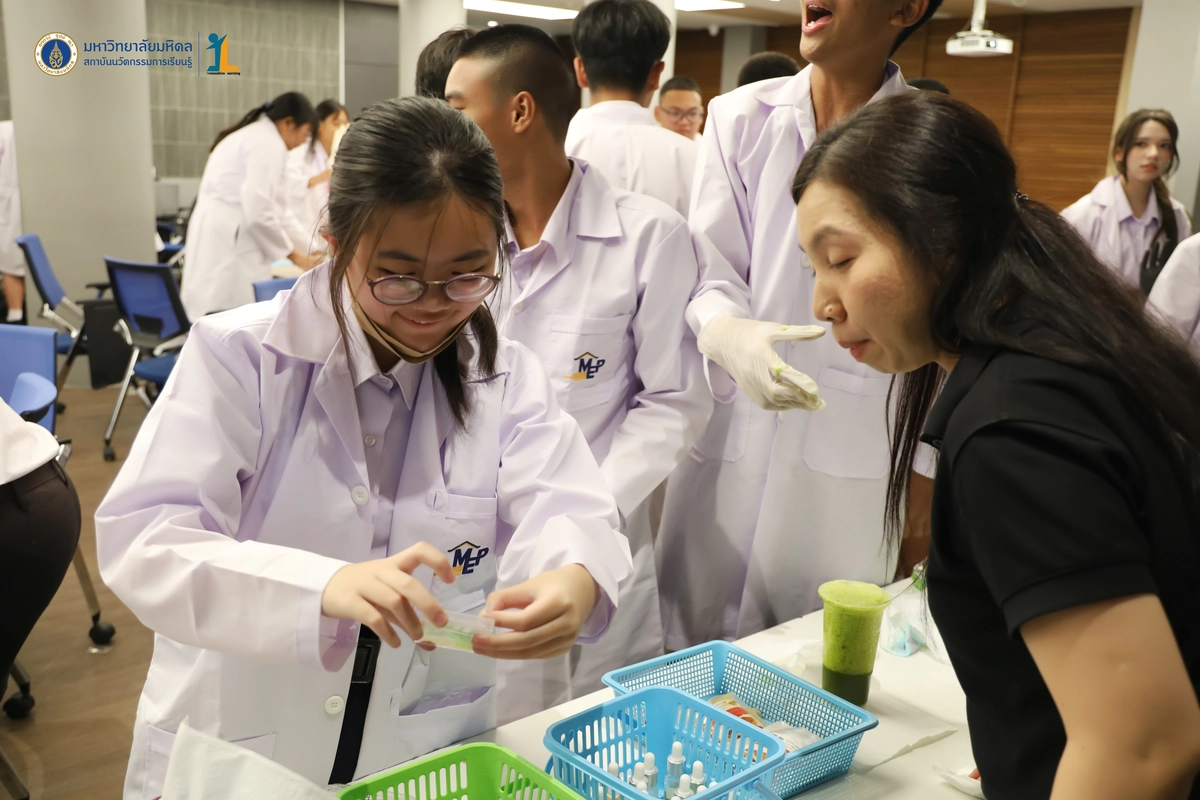
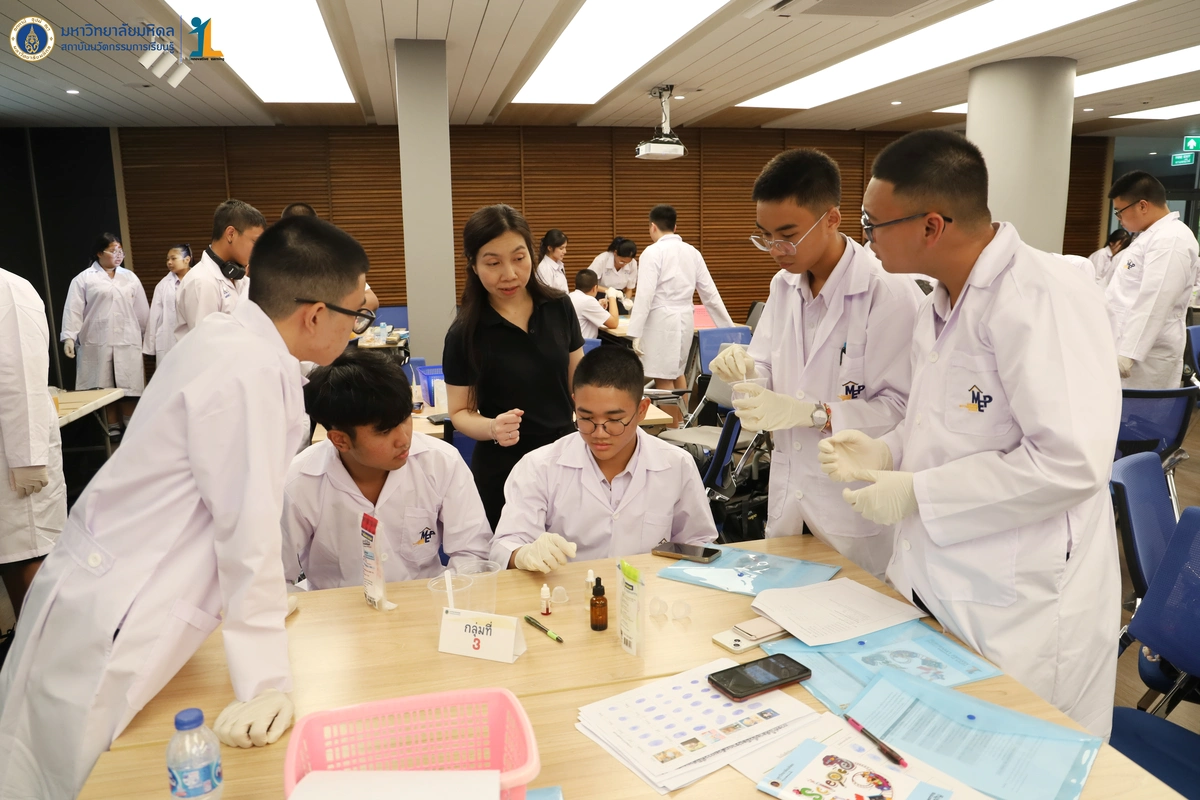
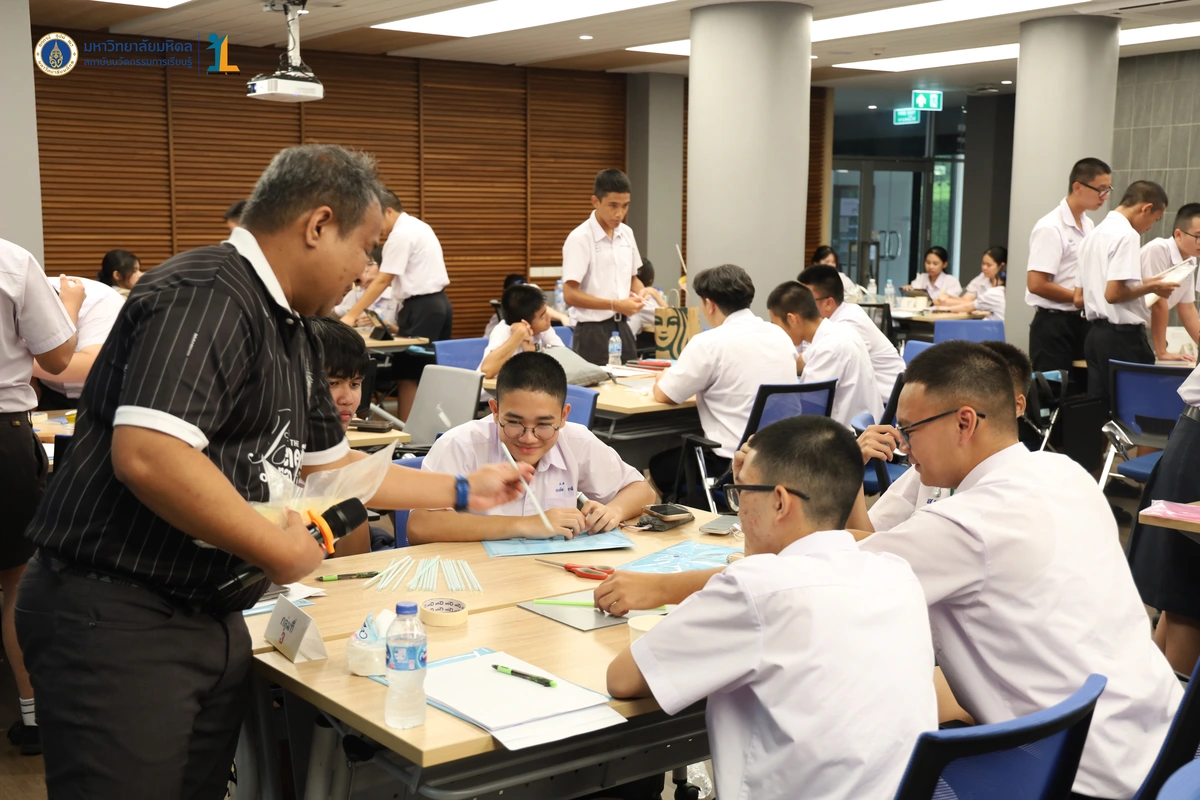
The workshop was designed to provide students with opportunities to develop analytical thinking, observation, problem-solving, and knowledge application through a variety of practical learning activities. Emphasizing hands-on learning, the program encouraged students to actively participate in experiments, design and create solutions, and learn from their own experiences while connecting scientific and technological knowledge with practical applications.
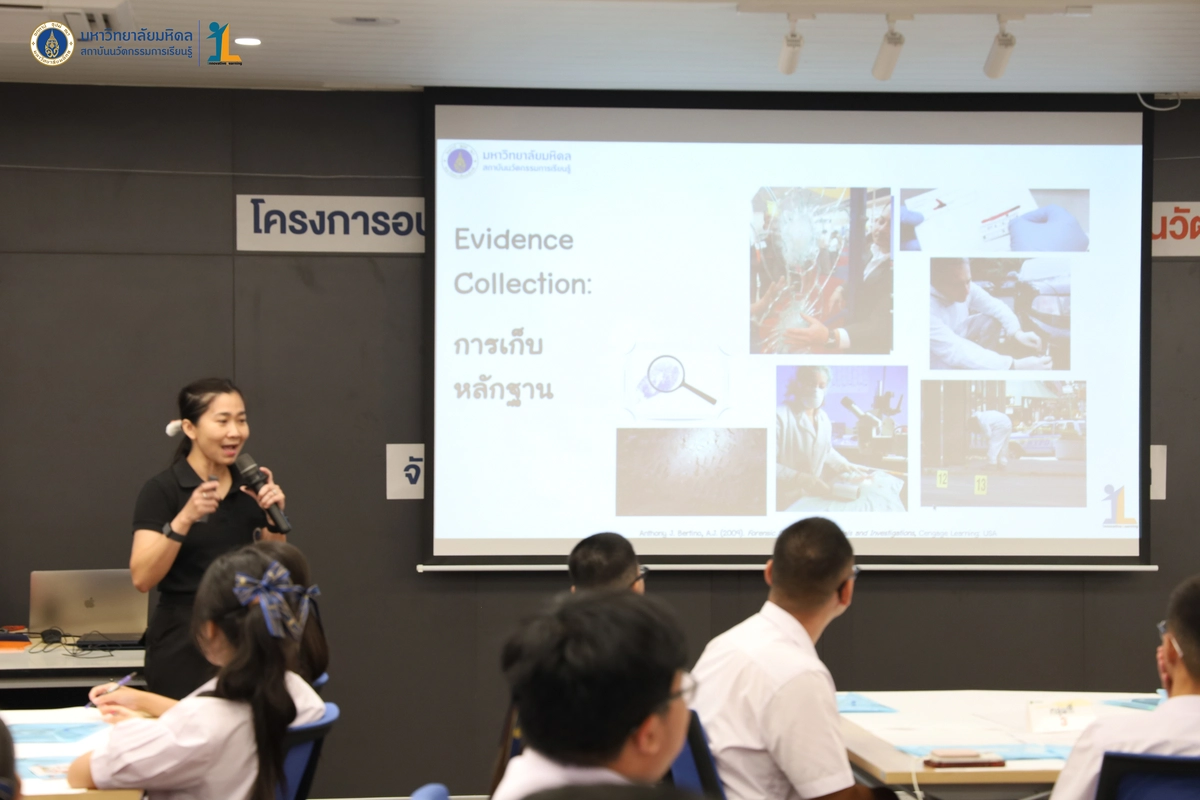
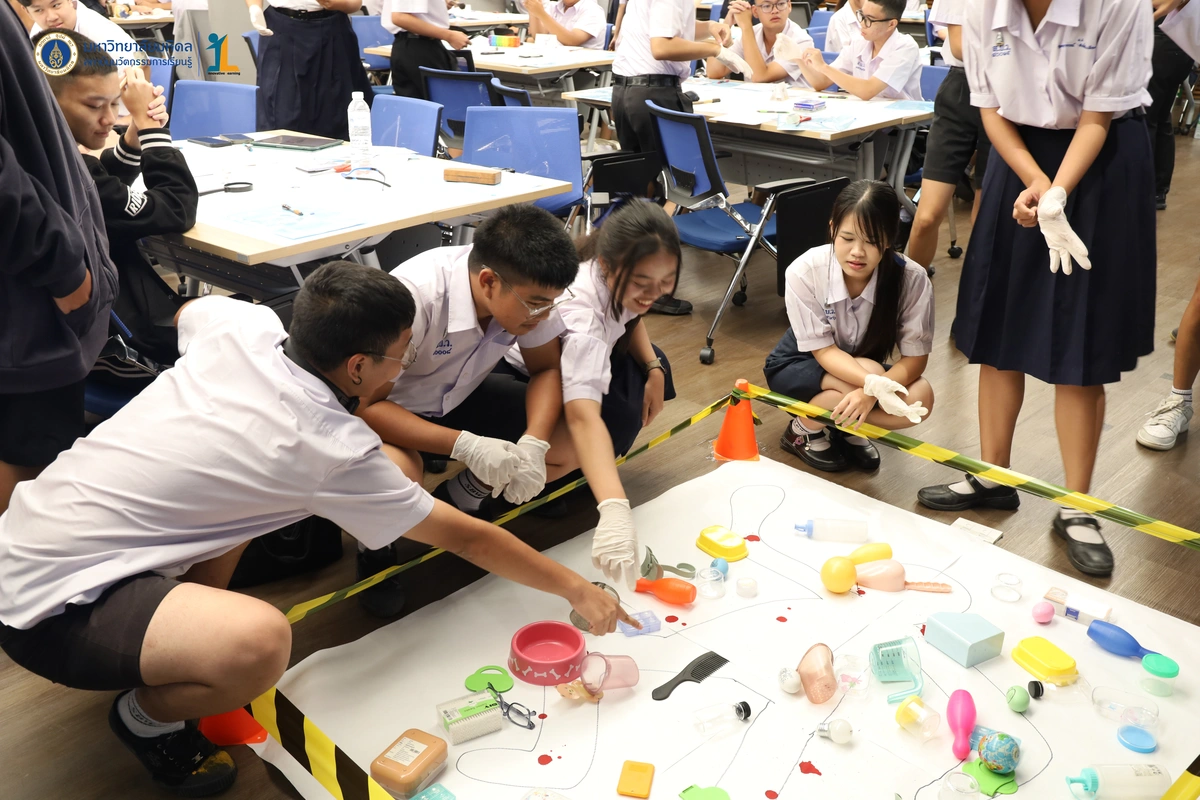
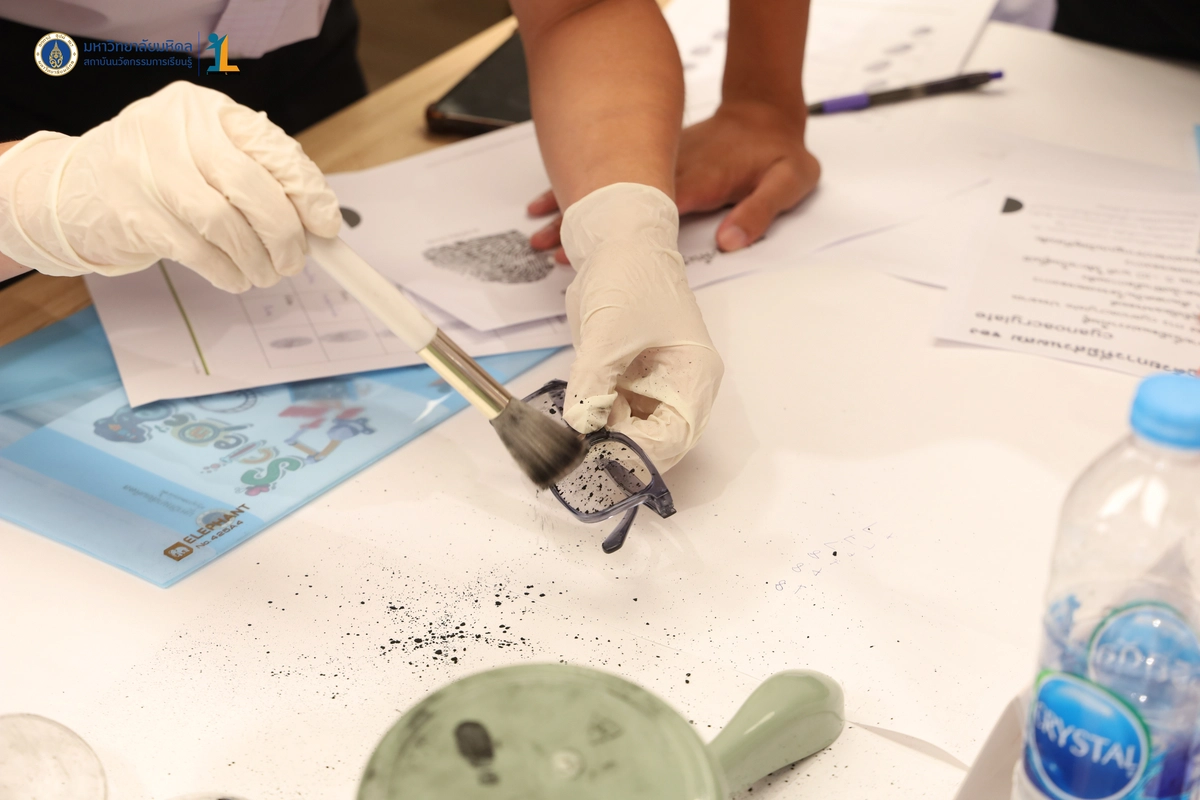
The first activity, “Who Is the Culprit???”, was conducted by Asst. Prof. Dr. Watcharee Kespichaiyarong and Ms. Atcharaphan Phothong. The activity engaged students in an investigative learning process that encouraged them to observe, analyze information, connect evidence, and apply reasoning to identify possible answers. The activity supported the development of systematic thinking and problem-solving skills through a scientific approach.
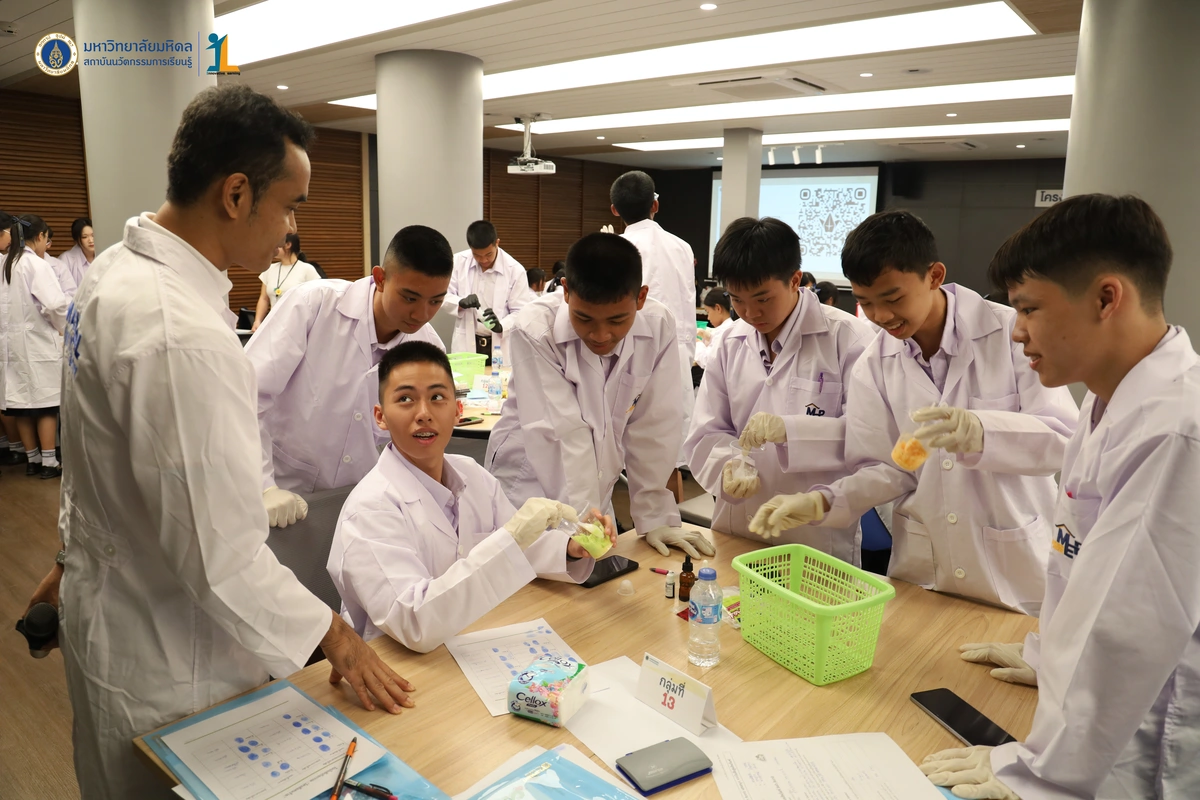
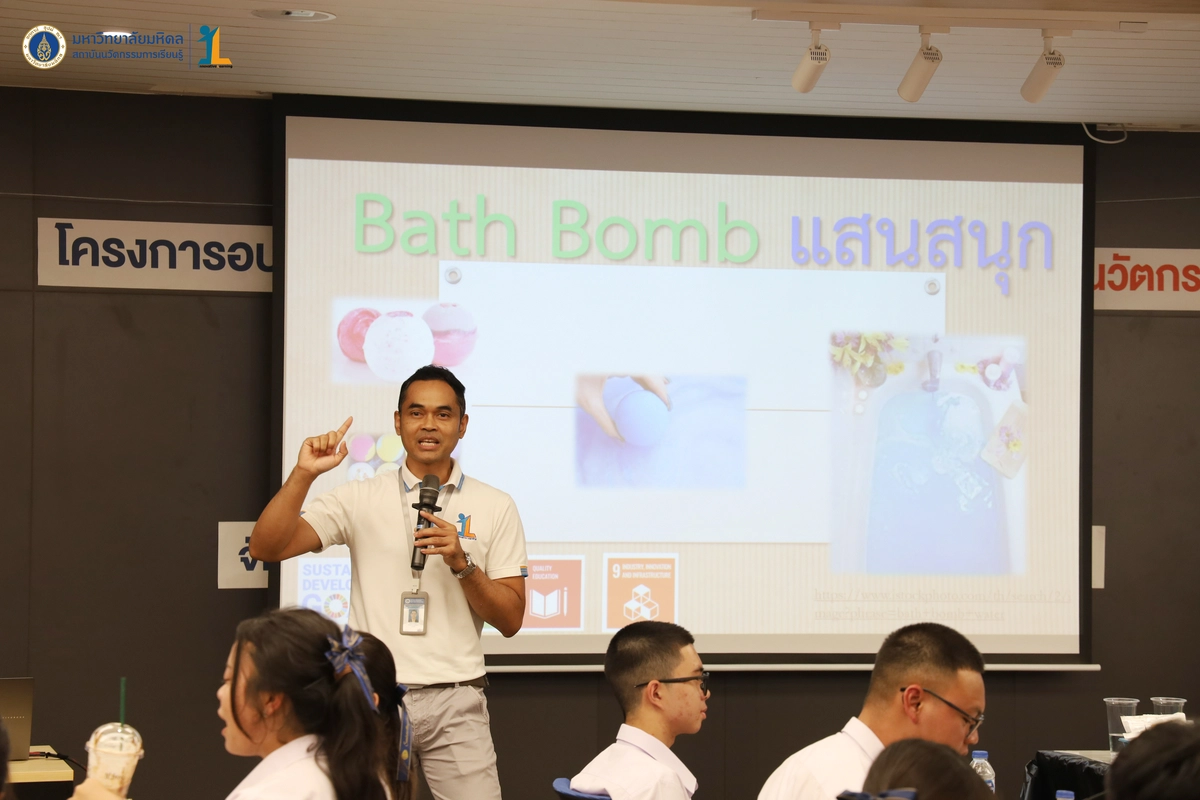
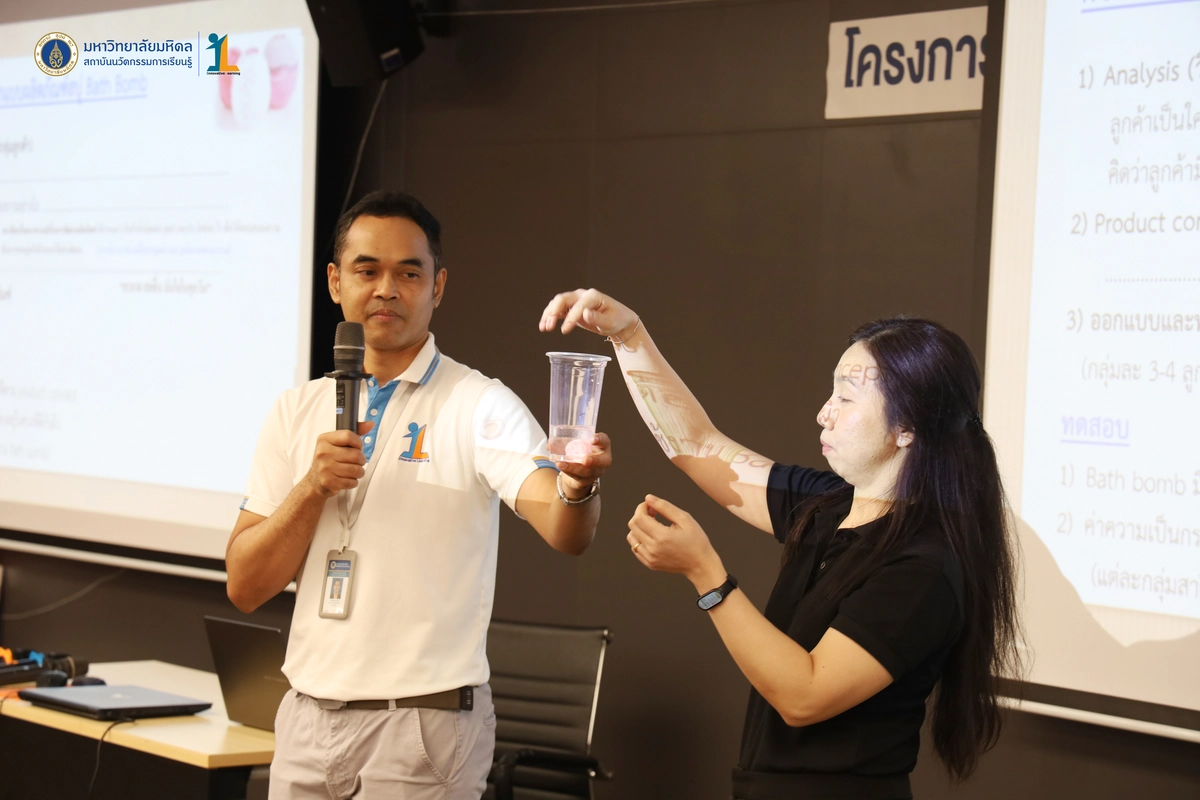
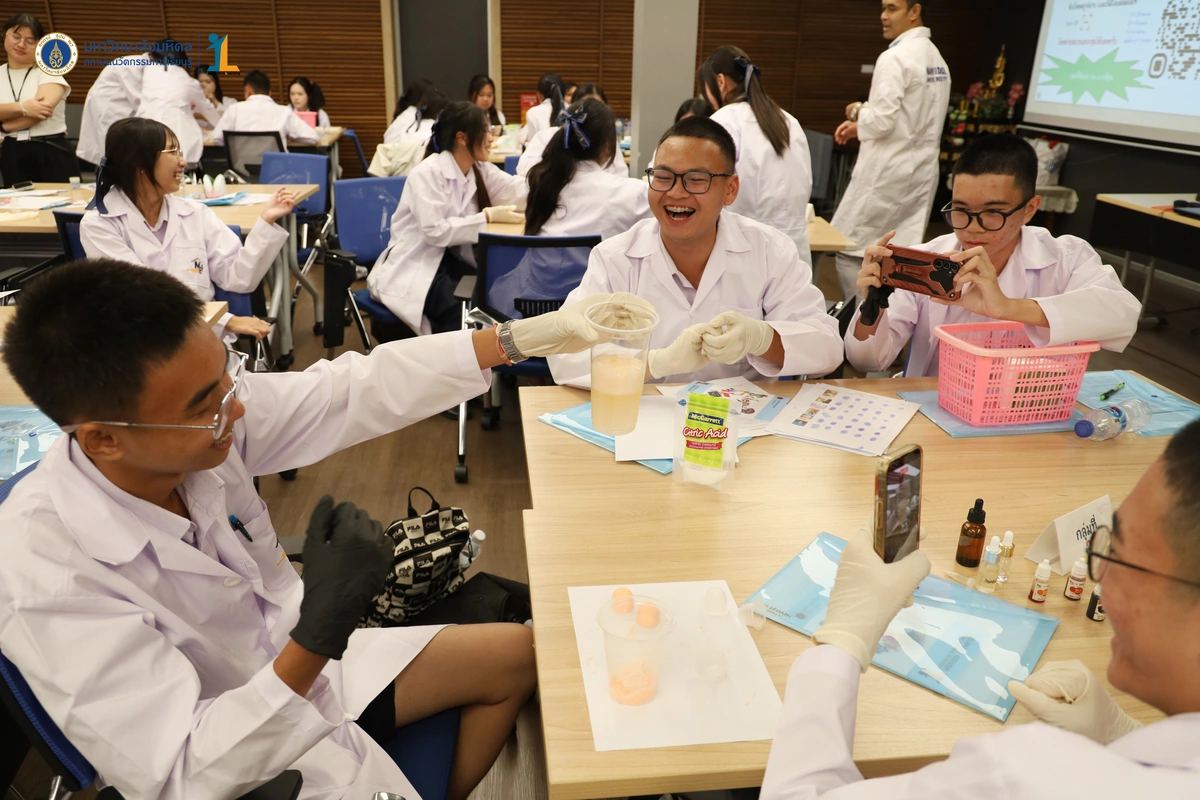
The second activity, “Bath Bomb,” was conducted by Asst. Prof. Dr. Pirom Chenprakhon and Ms. Atcharaphan Phothong. Students learned through hands-on experimentation while exploring scientific concepts related to chemical reactions and the factors affecting the process through the creation of Bath Bomb products. The activity enabled students to recognize the connection between scientific knowledge and practical applications in everyday life.
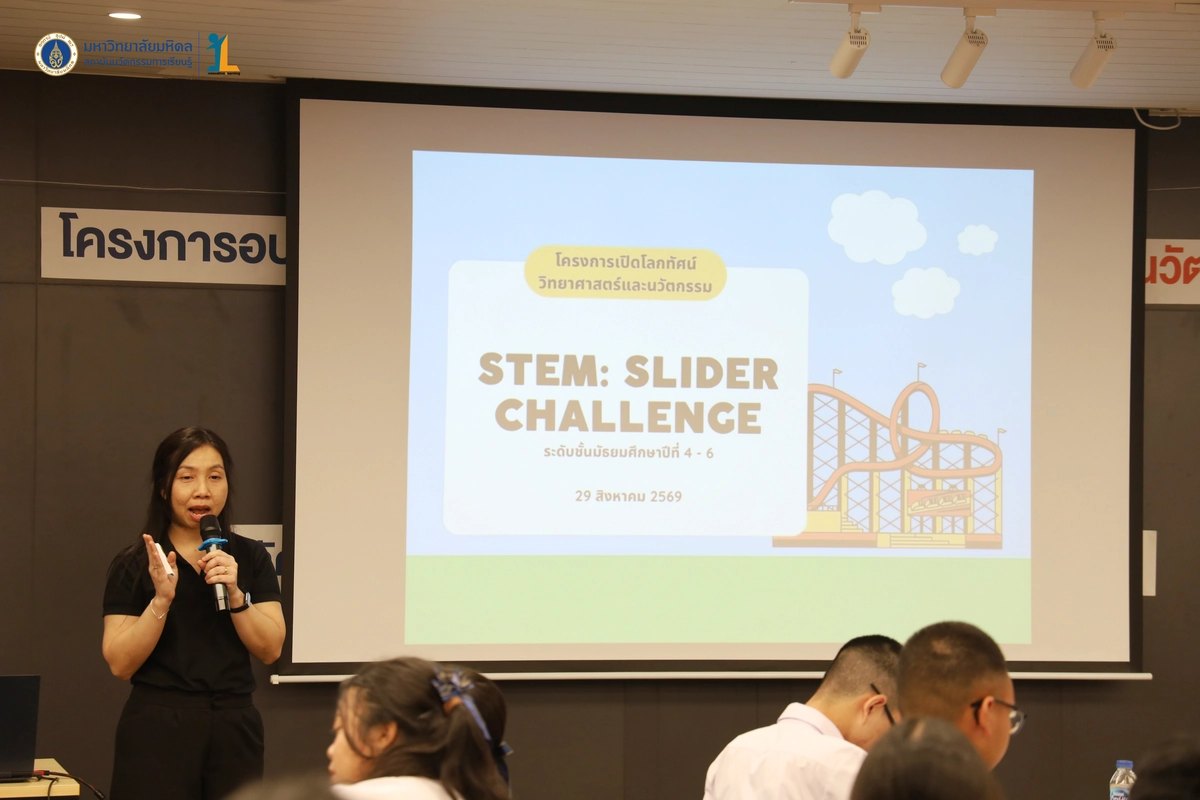
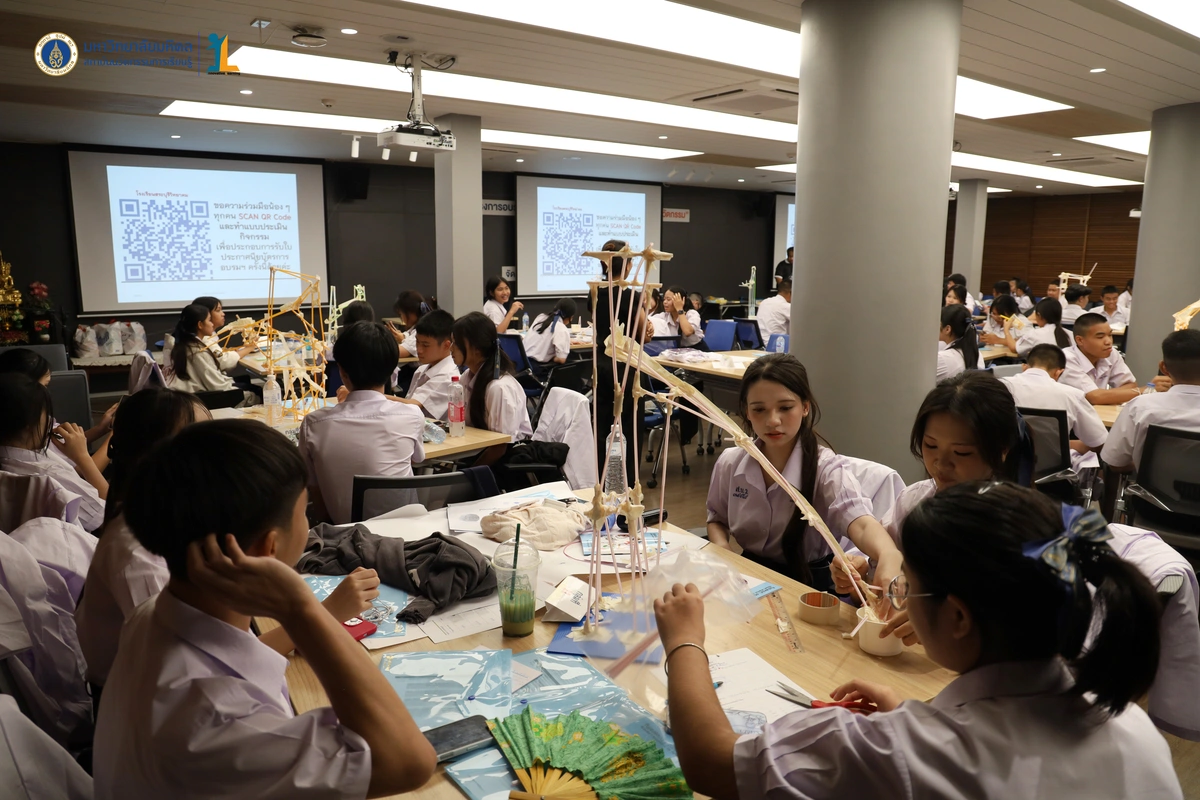
The third activity, “Roller Coaster,” was conducted by Ms. Atcharaphan Phothong, Mr. Jaturong Payomyaem, and Ms. Jiraporn Karaket. Students explored the process of designing and constructing a Roller Coaster model, followed by testing and improving their designs based on the results. The activity promoted design thinking, problem-solving, creativity, and teamwork, while allowing students to learn through experimentation and iterative improvement.
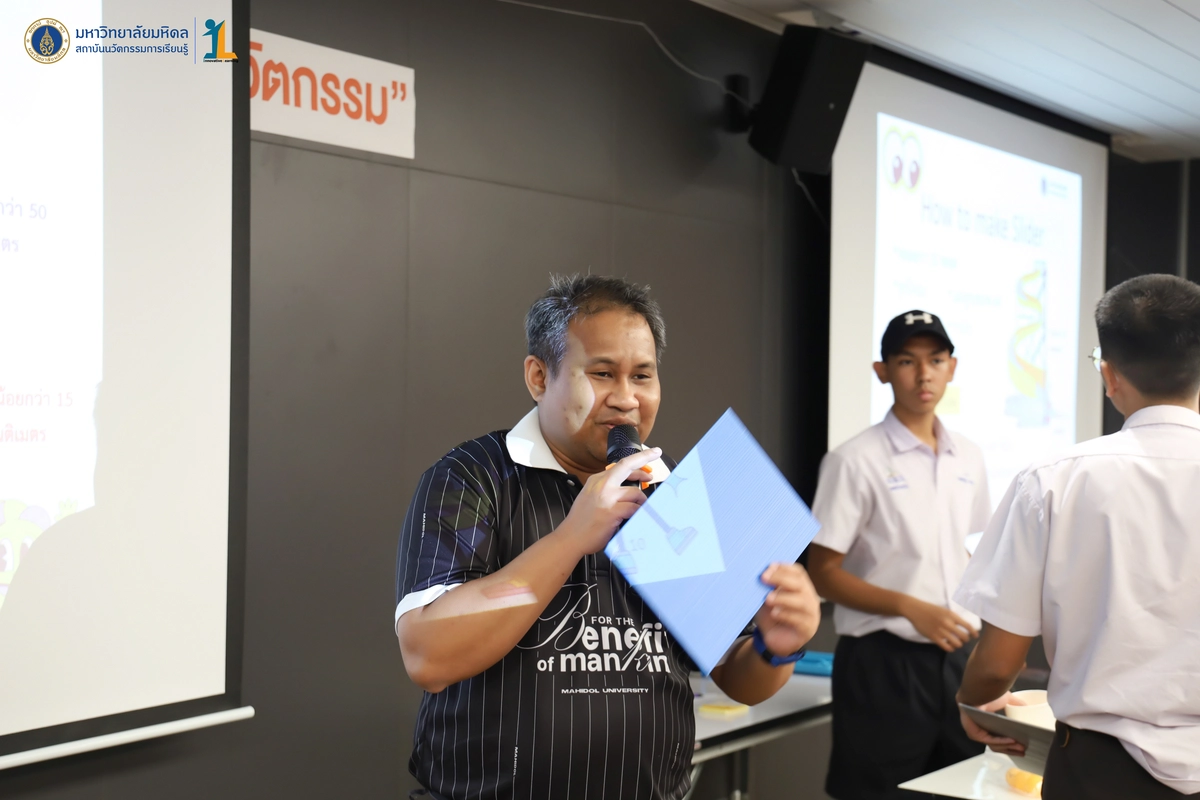
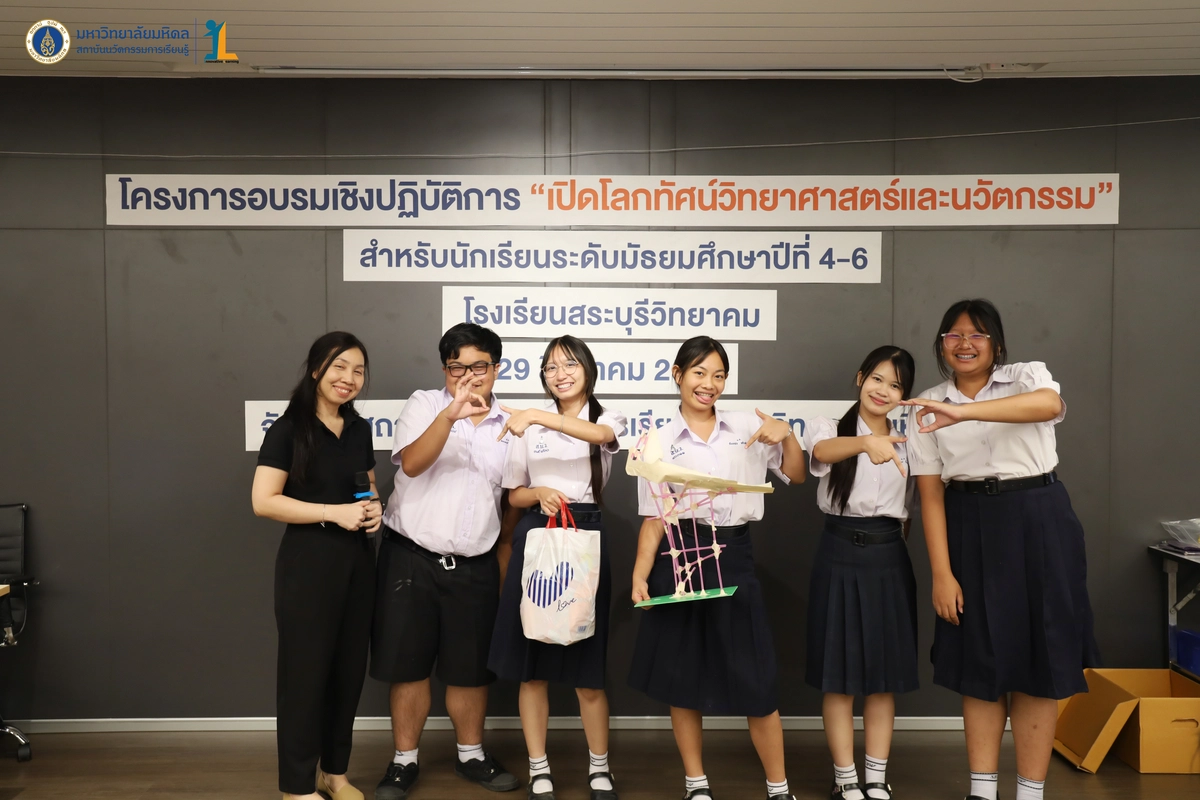
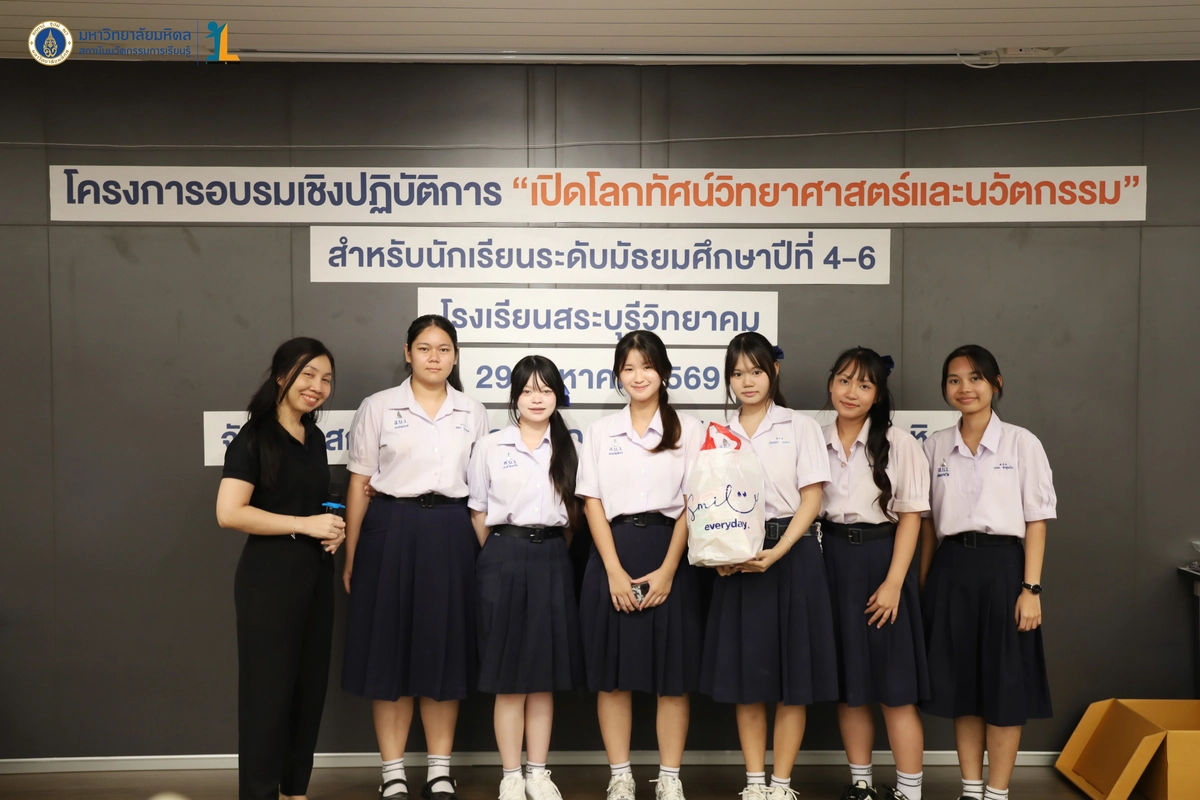
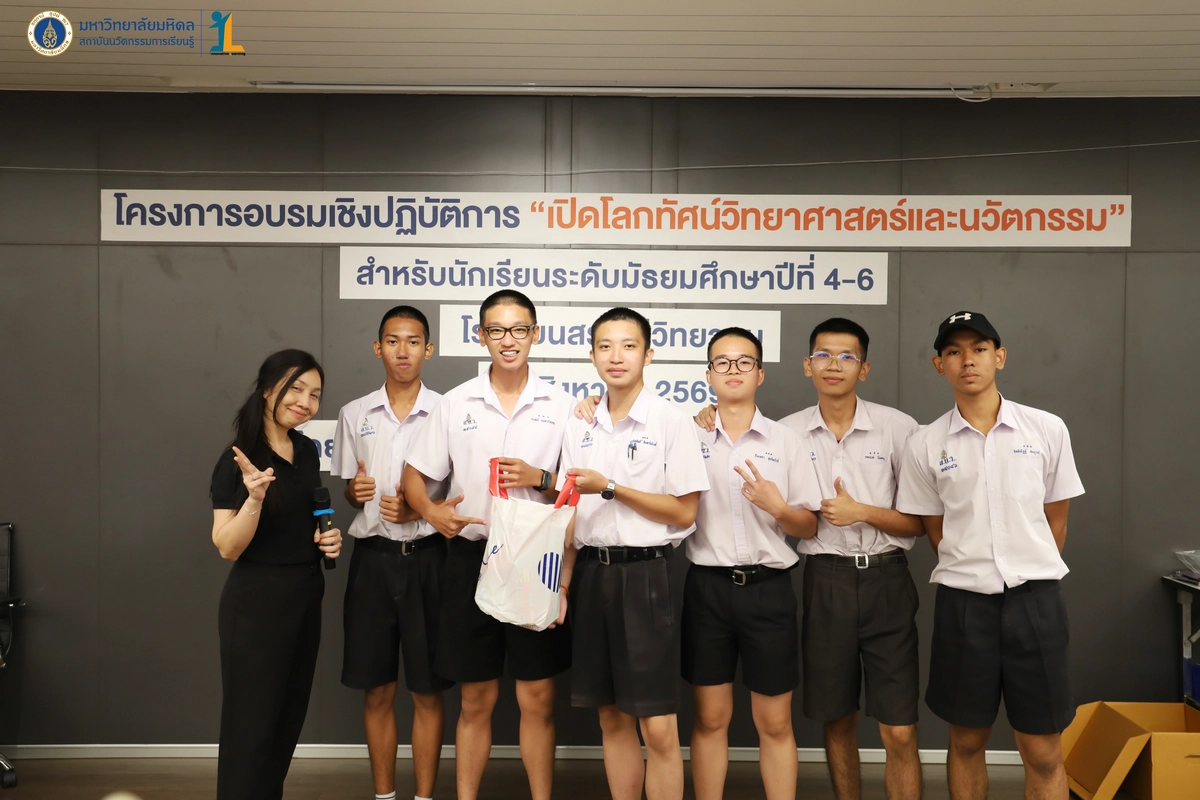
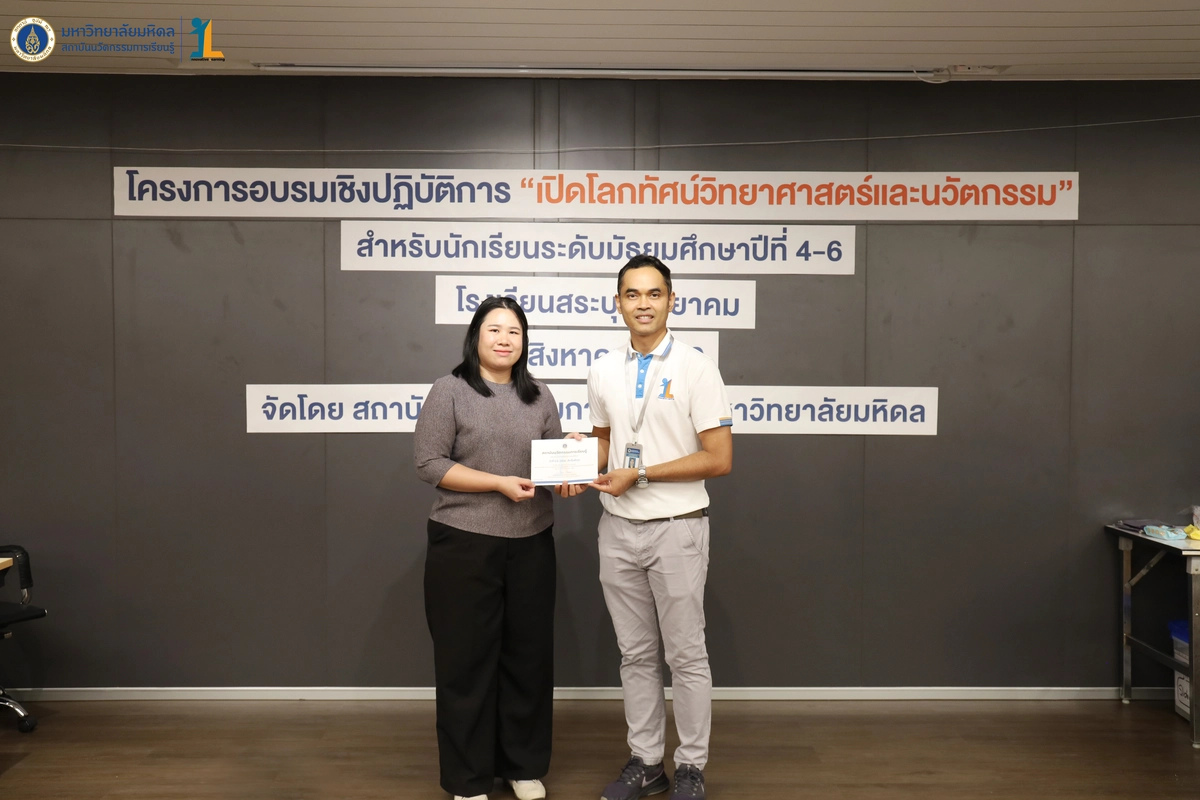
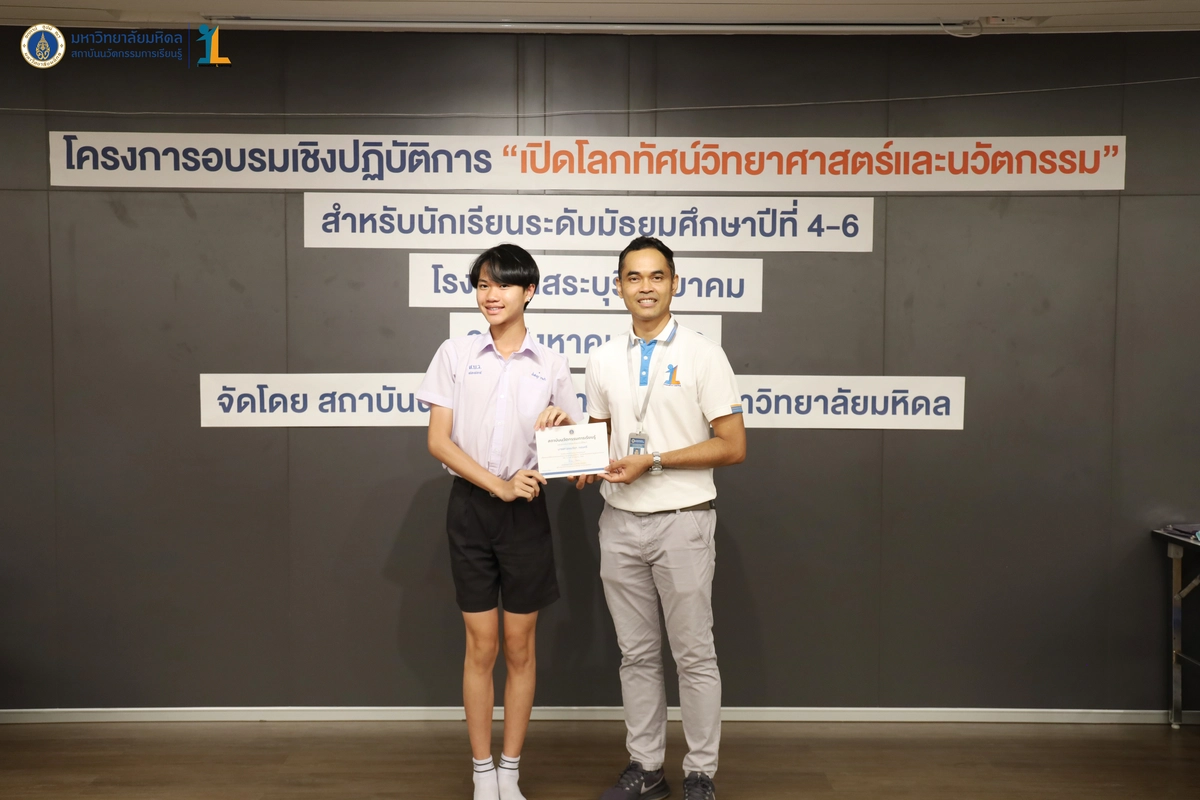
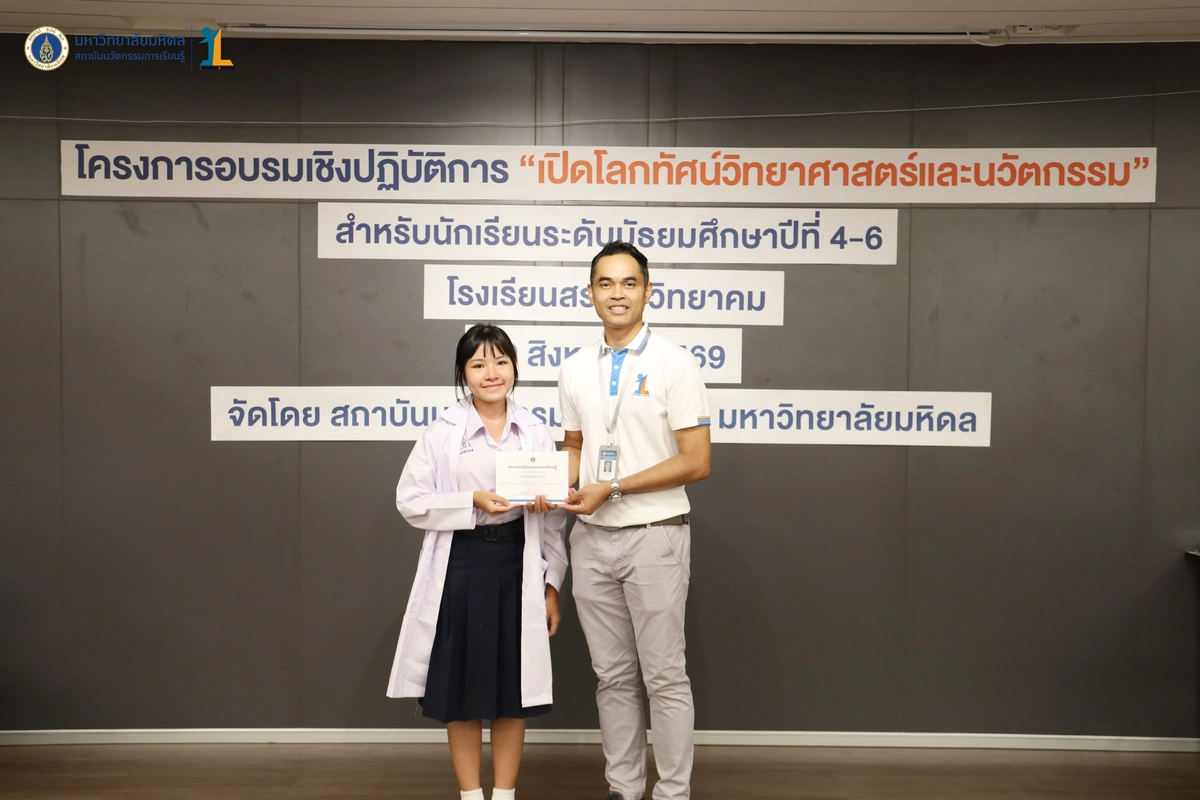
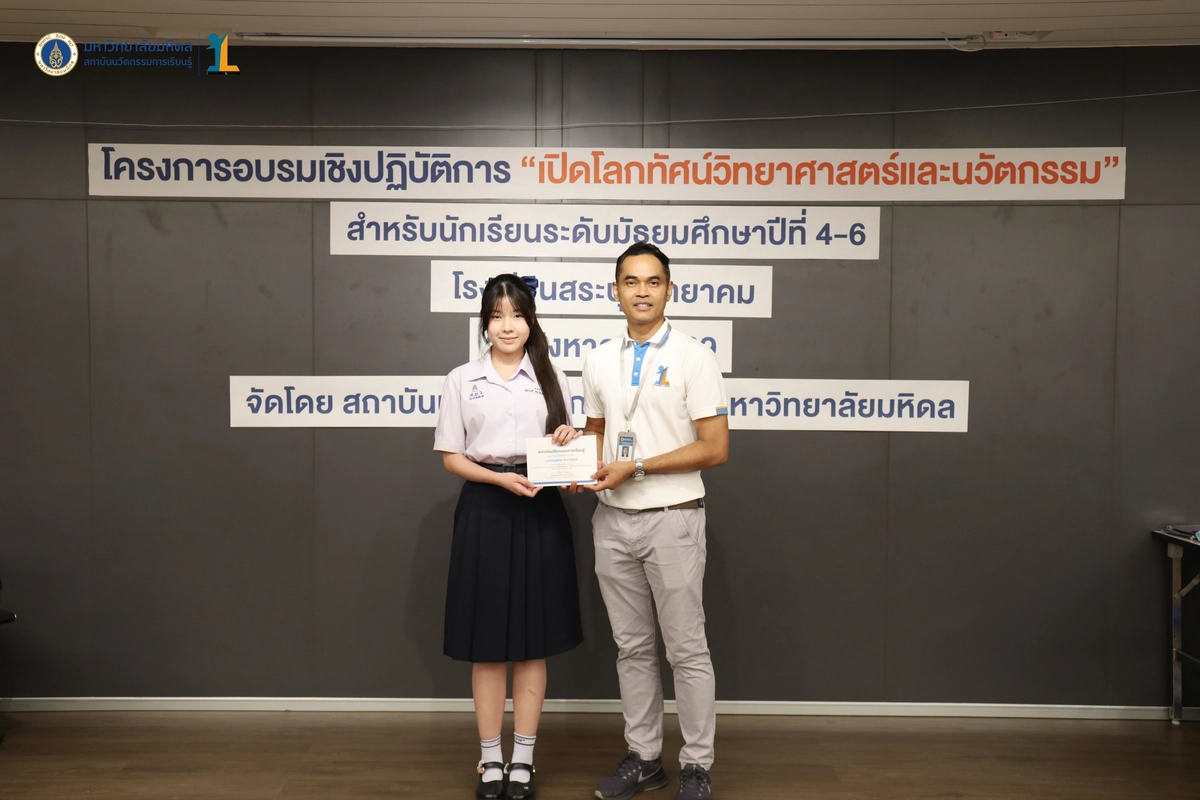
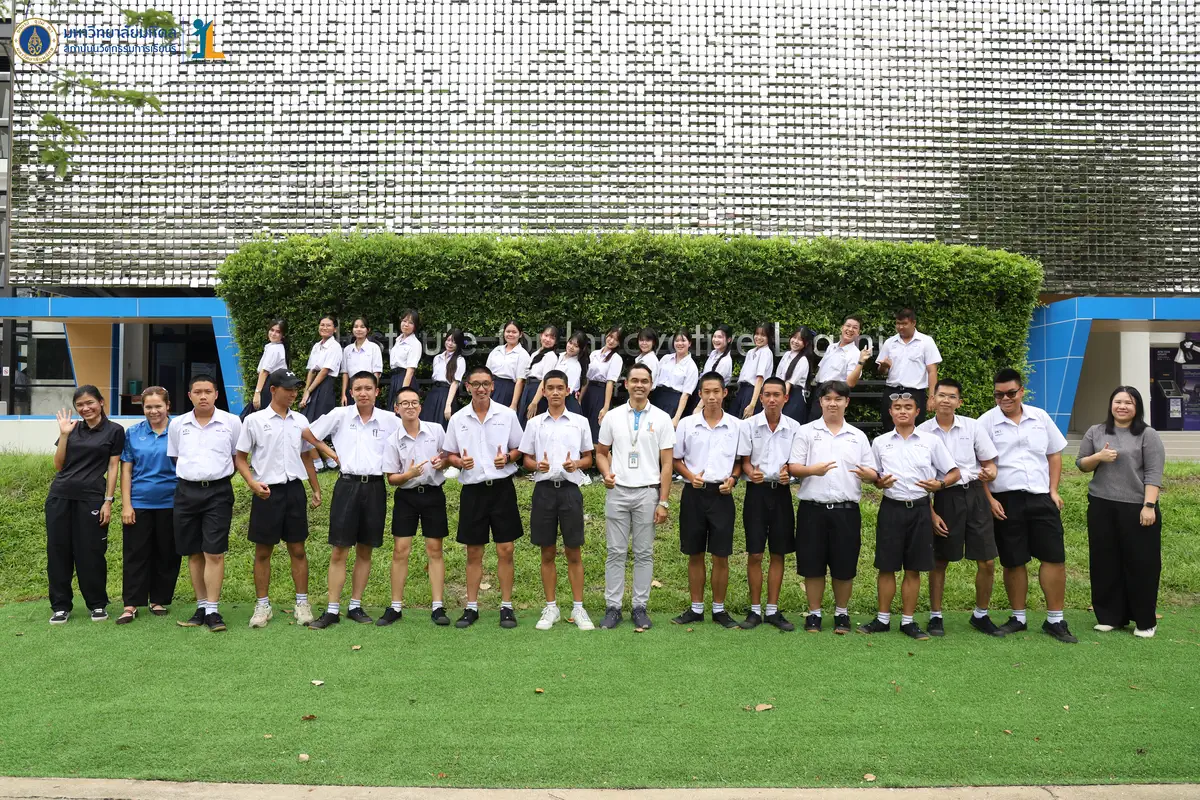
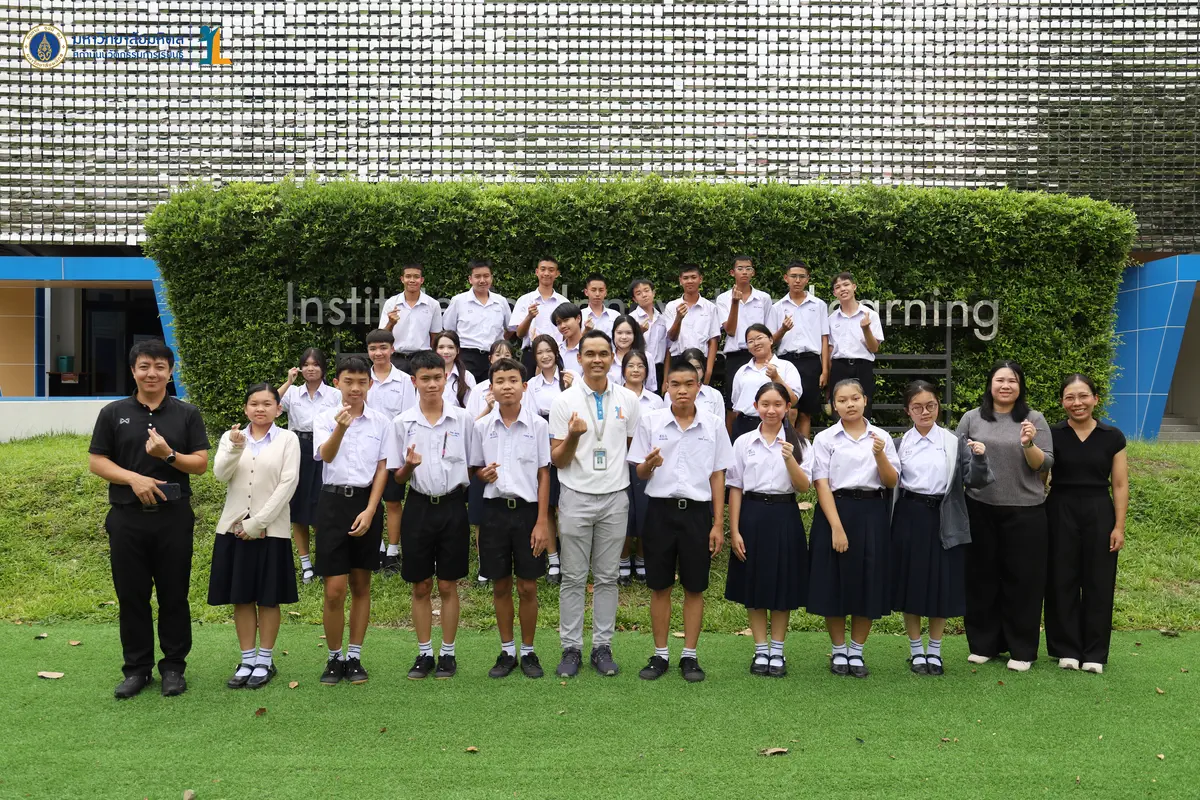
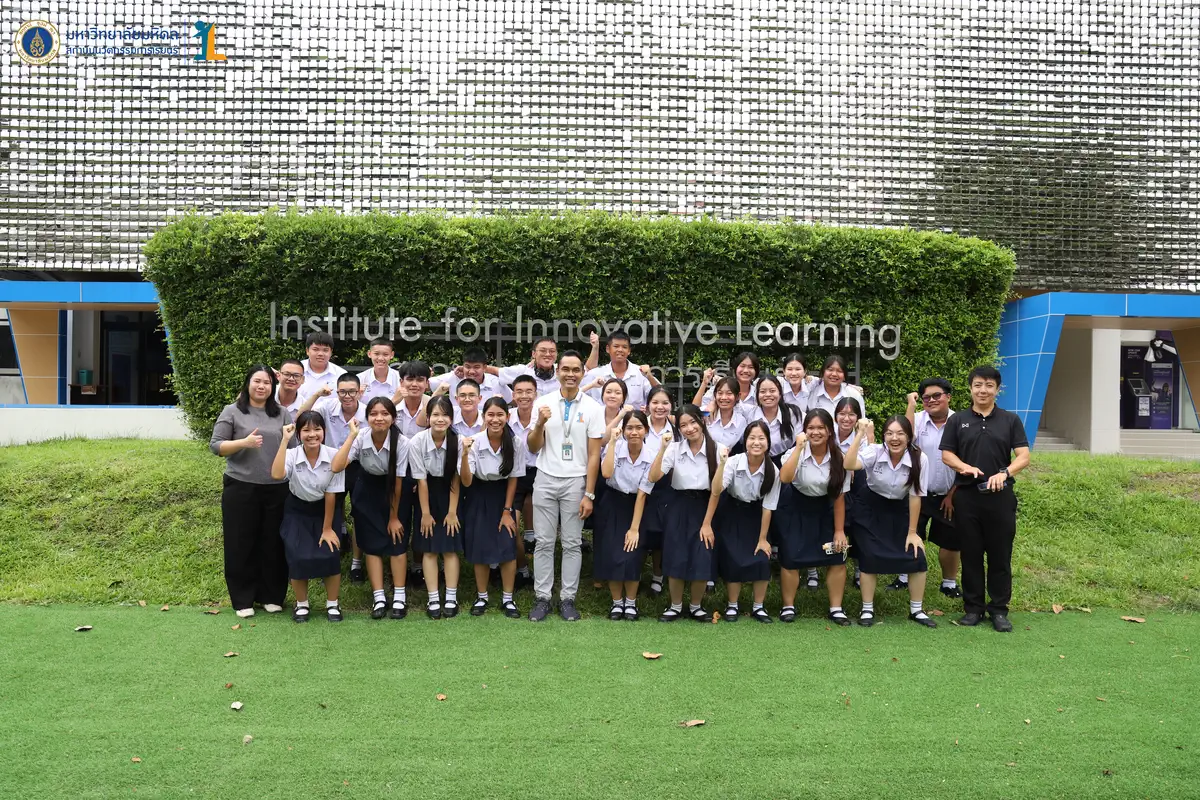
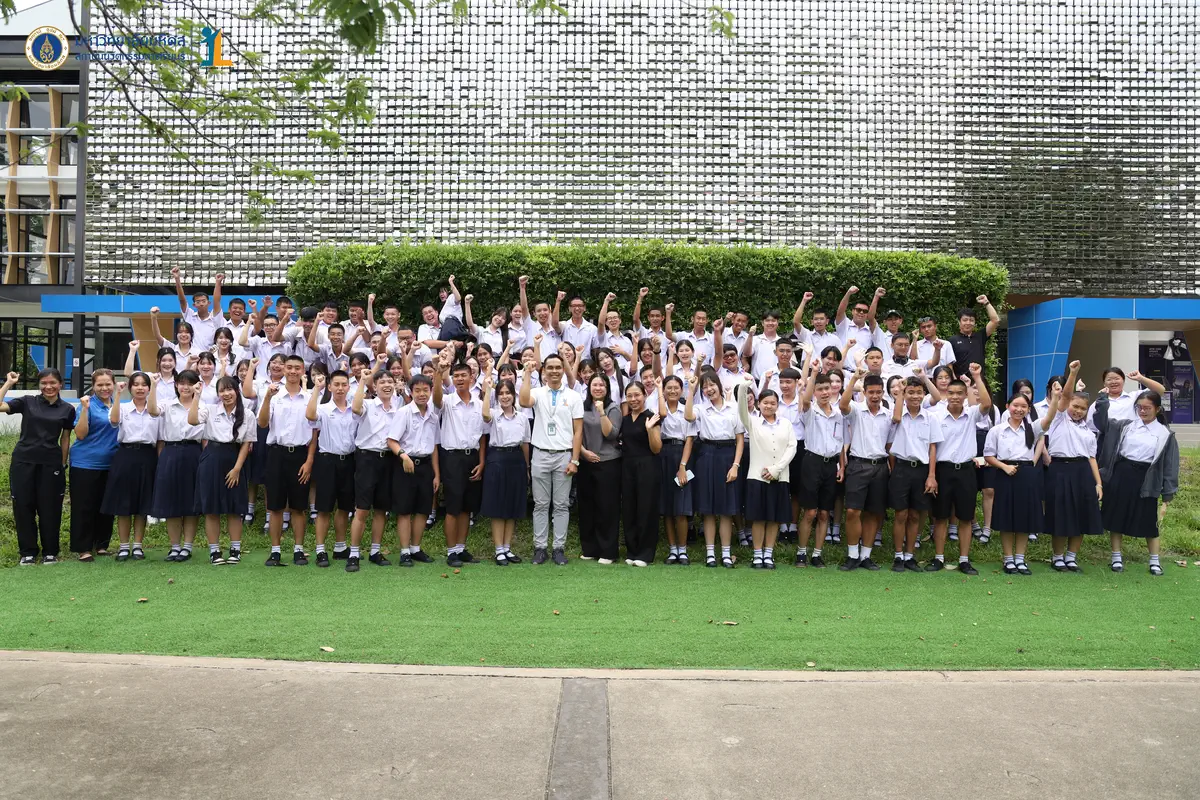
The workshop concluded with a “Closing Section: Knowledge Review, Reflection, and Expanded Knowledge – Applying Programming Knowledge to Robotics Innovation in Everyday Life.” Students reviewed the knowledge and experiences gained throughout the activities, reflected on their learning, and explored ways to connect scientific and technological knowledge with everyday applications and future innovation. The activity concluded with the presentation of awards and certificates, followed by a group photo.
The workshop demonstrated the Institute for Innovative Learning’s contribution to translating its expertise in learning innovation, educational technology, and experiential learning into meaningful learning experiences for students. By emphasizing hands-on activities, the Institute created opportunities for students to actively explore, experiment, analyze problems, develop solutions, and reflect on their learning rather than simply receiving information.
From an impact perspective, the activities supported the development of essential competencies, including analytical thinking, problem-solving, creativity, collaboration, and the ability to apply scientific and technological knowledge to practical situations. The workshop also encouraged students to recognize the potential of science, programming, and robotics as foundations for developing new ideas and innovative solutions in the future.
The “Exploring Science and Innovation” workshop therefore represents another initiative reflecting the Institute for Innovative Learning’s role in connecting science, technology, innovation, and learning experiences. Through learner-centered and hands-on approaches, IL continues to support the development of future-ready competencies and inspire learners to apply knowledge creatively while building a strong foundation for continuous innovation and lifelong learning.
* Individuals appearing in this article who wish to have their images removed, please contact us at 0-2441-9729 or ilpdpa@mahidol.ac.th.