
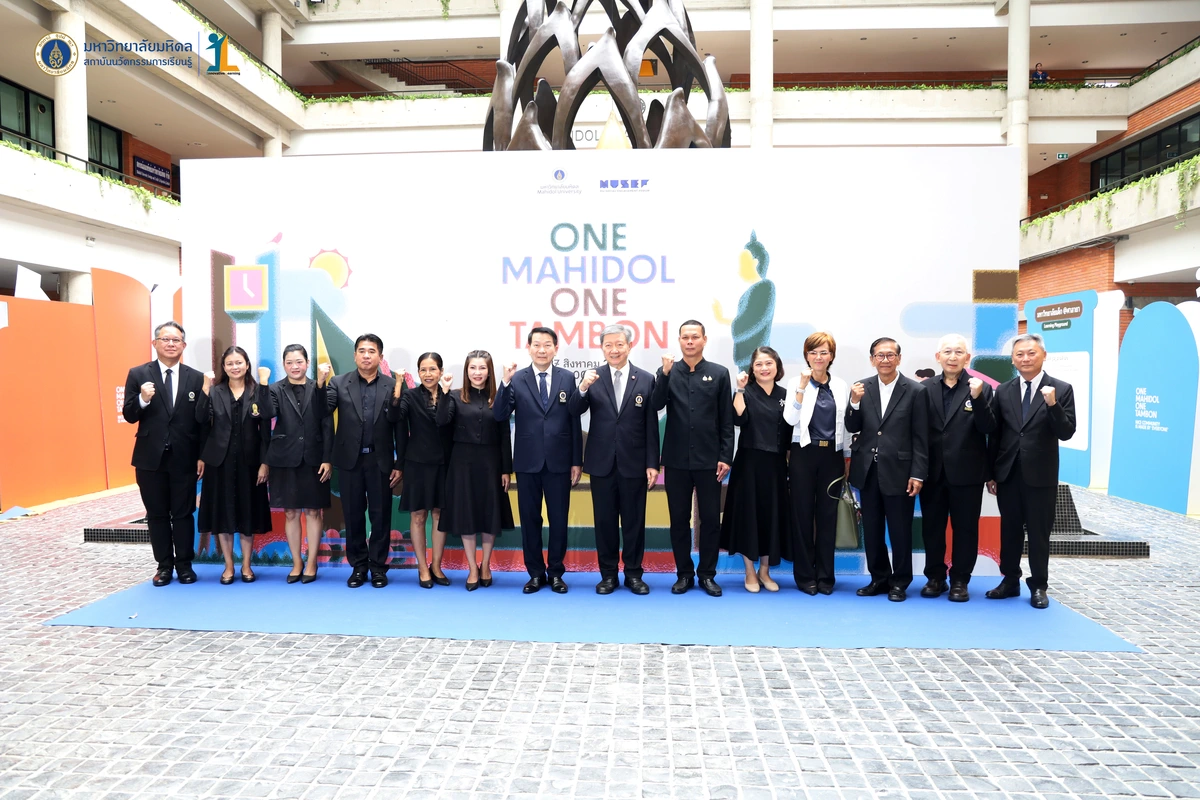
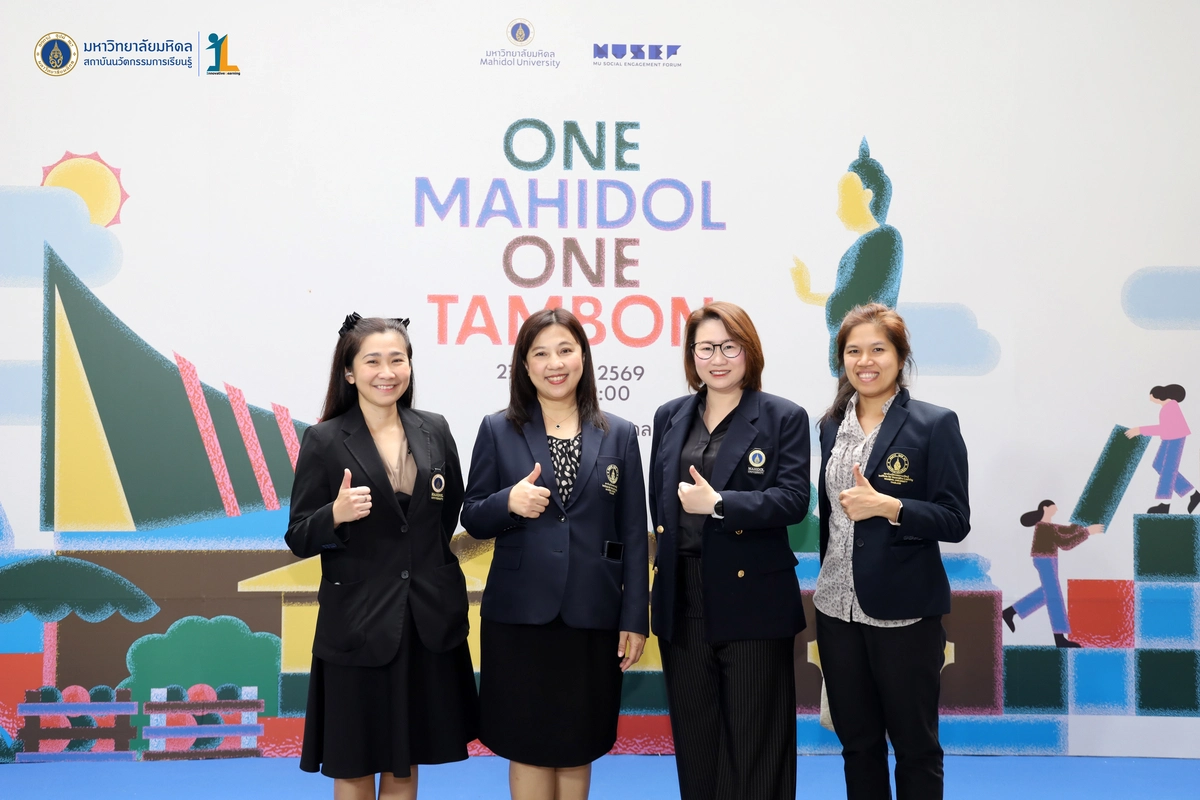
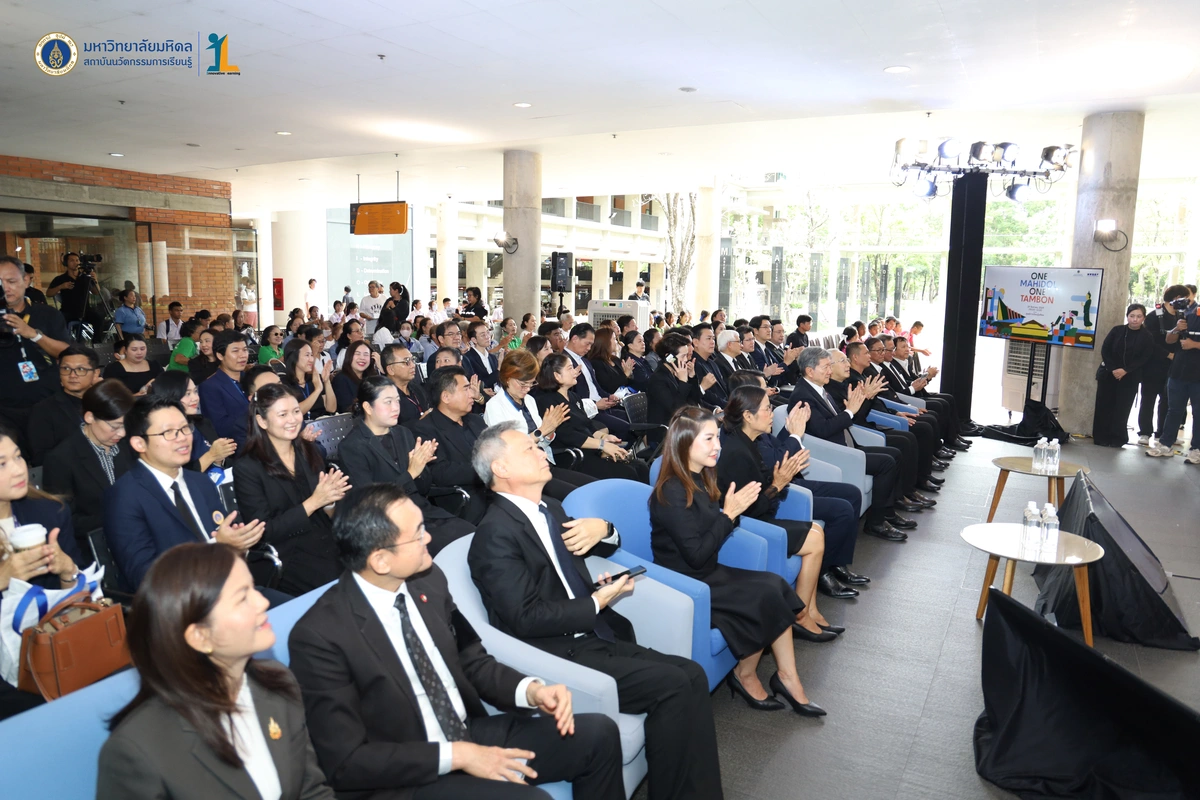
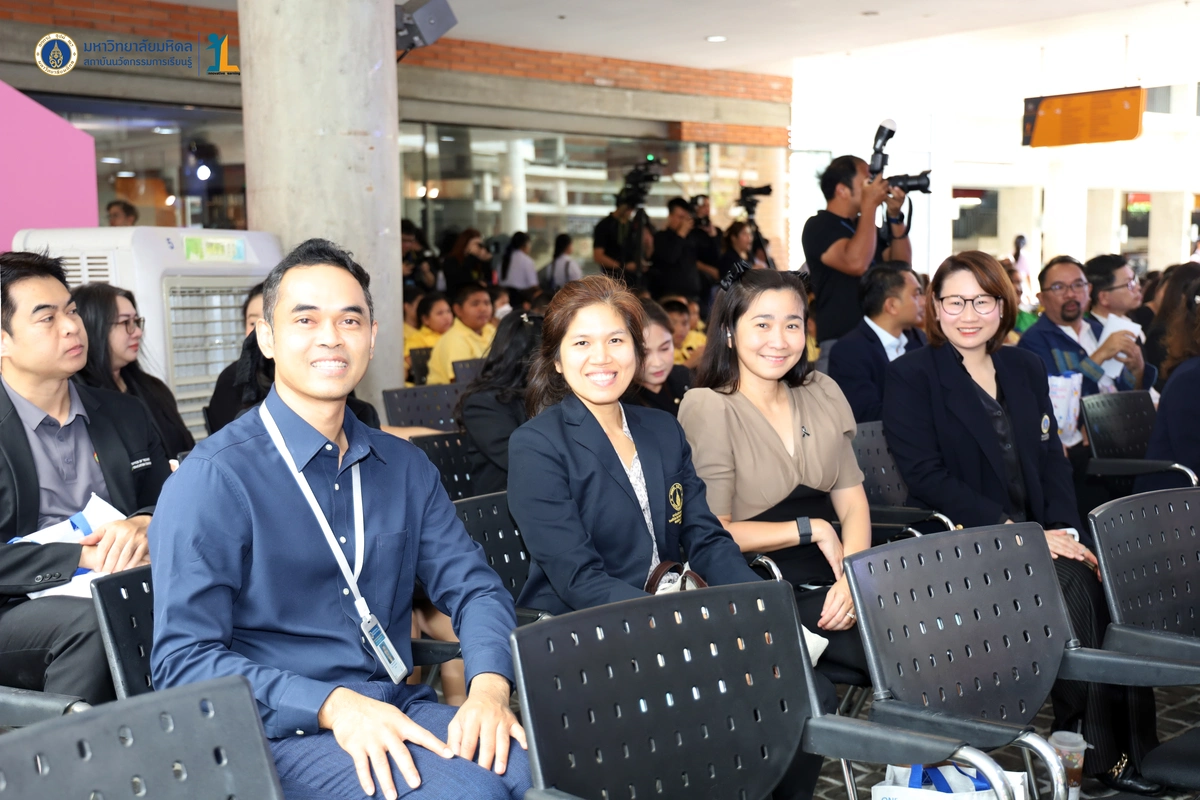
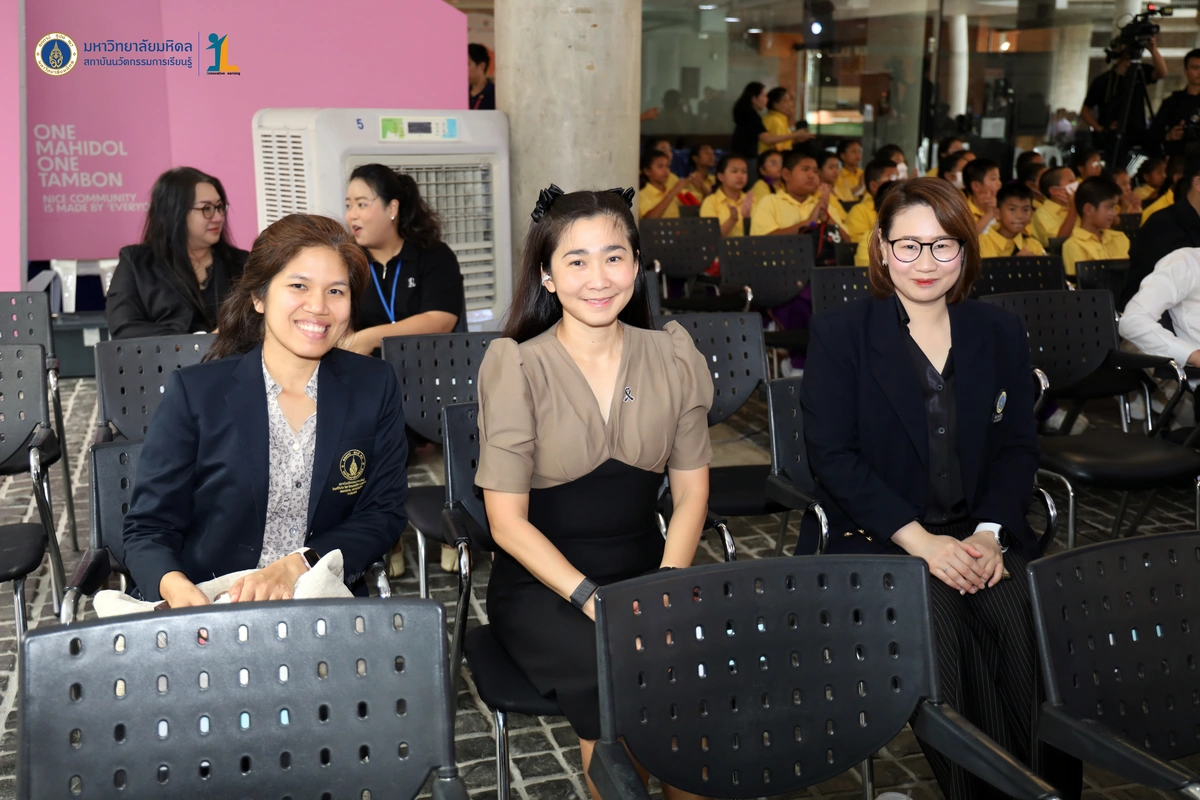
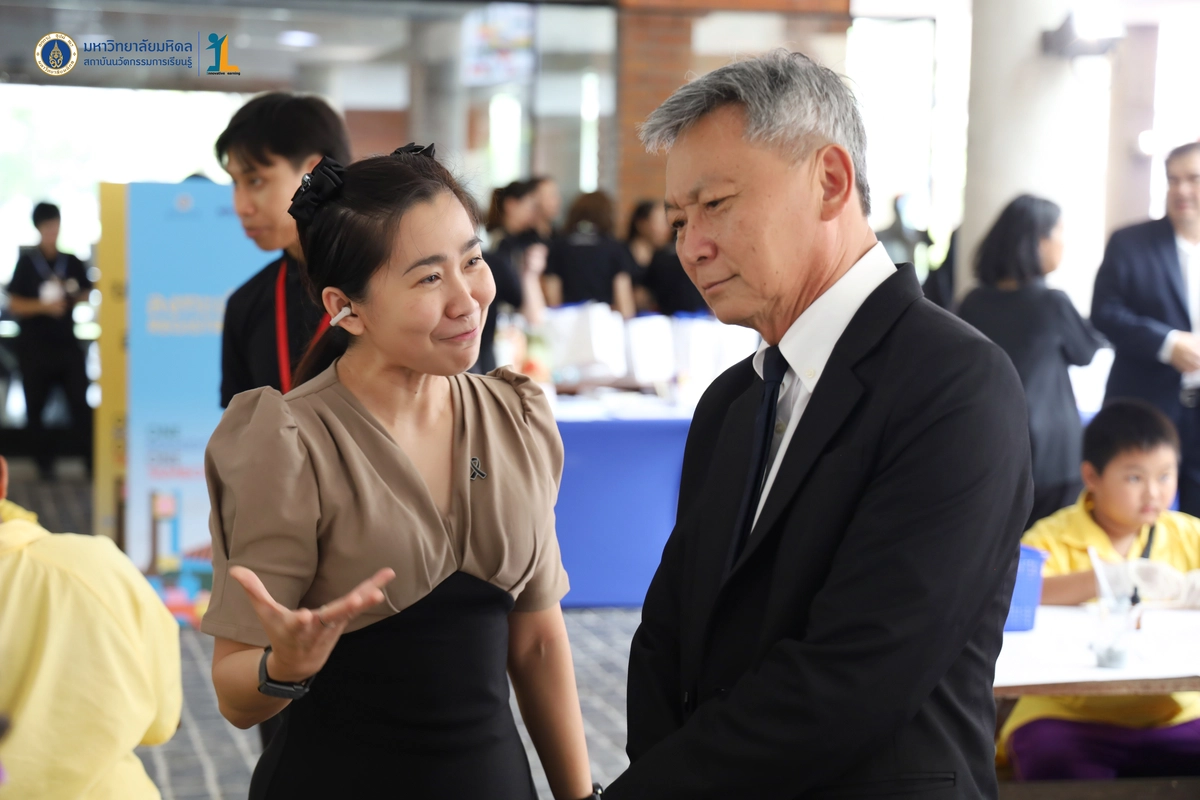
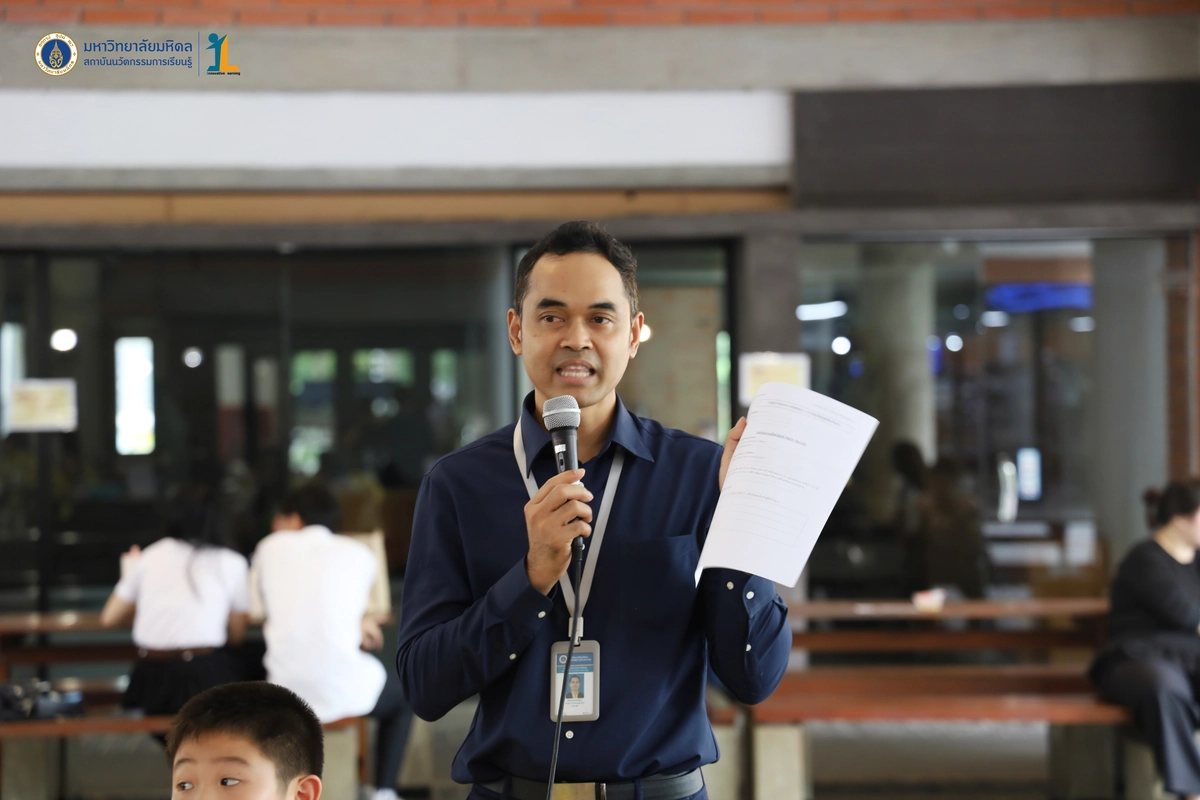
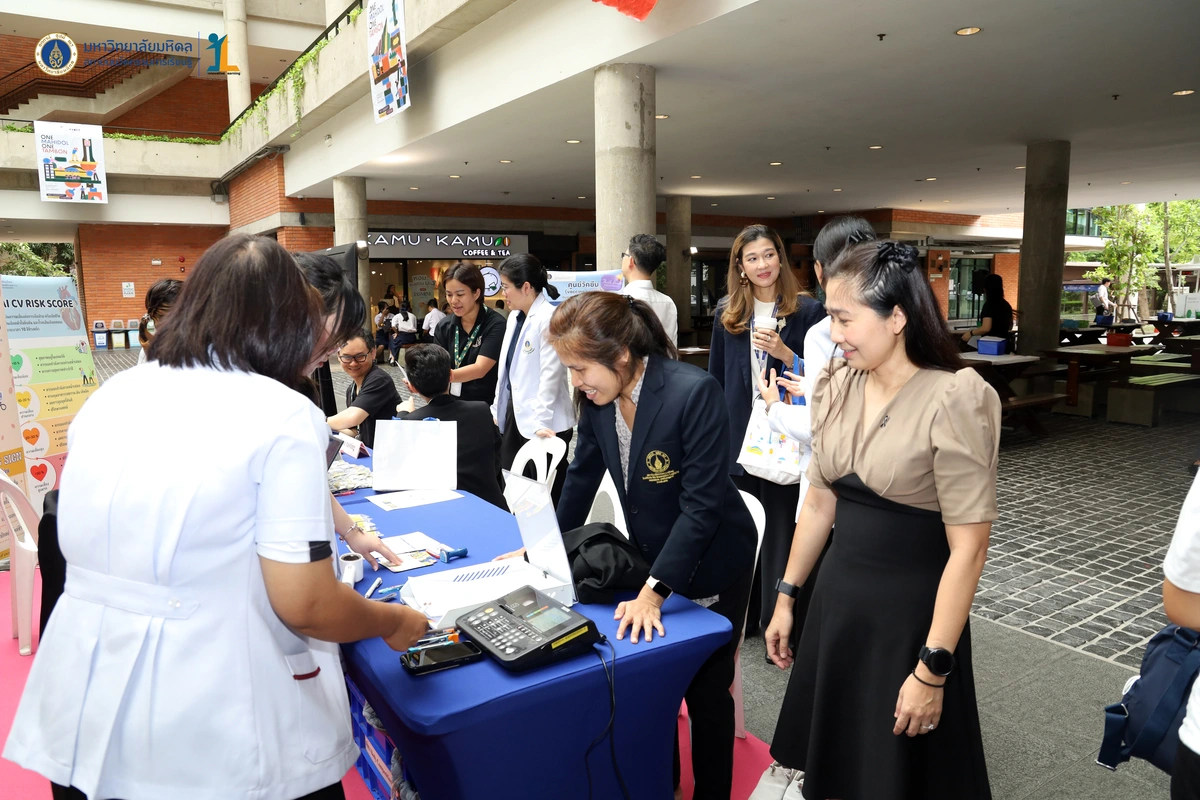
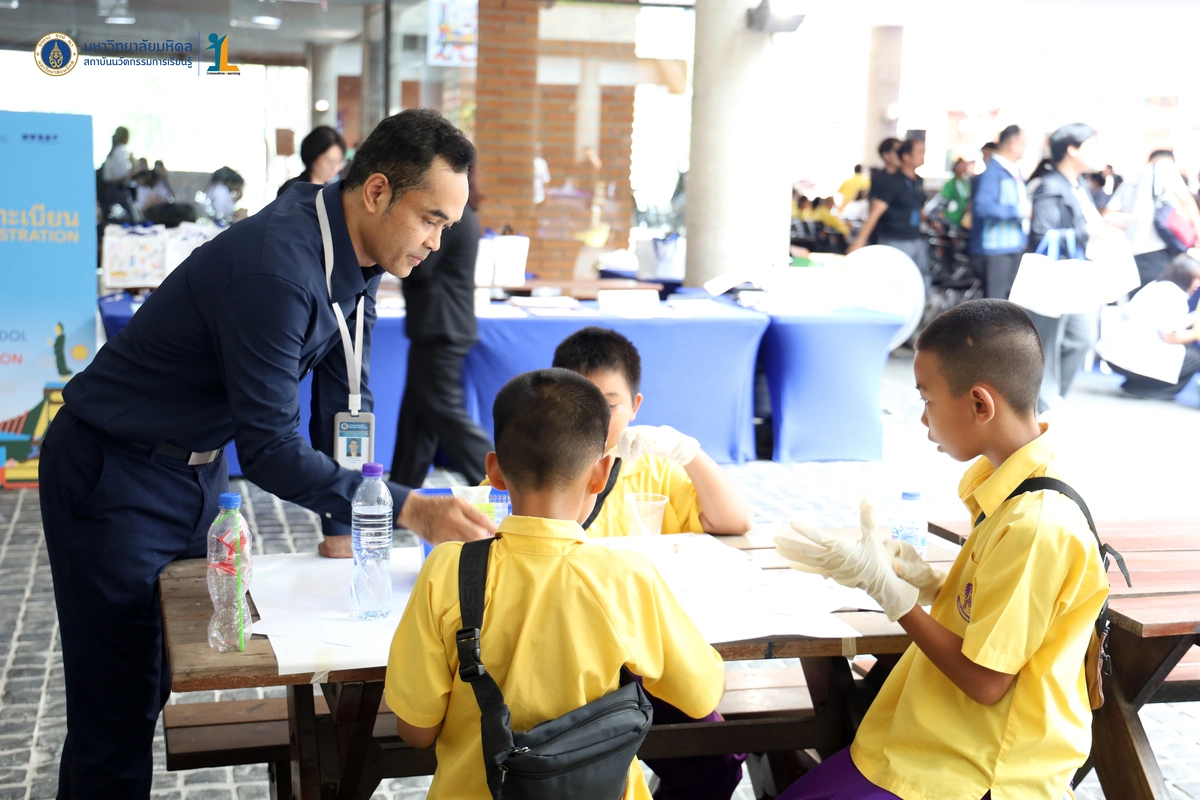
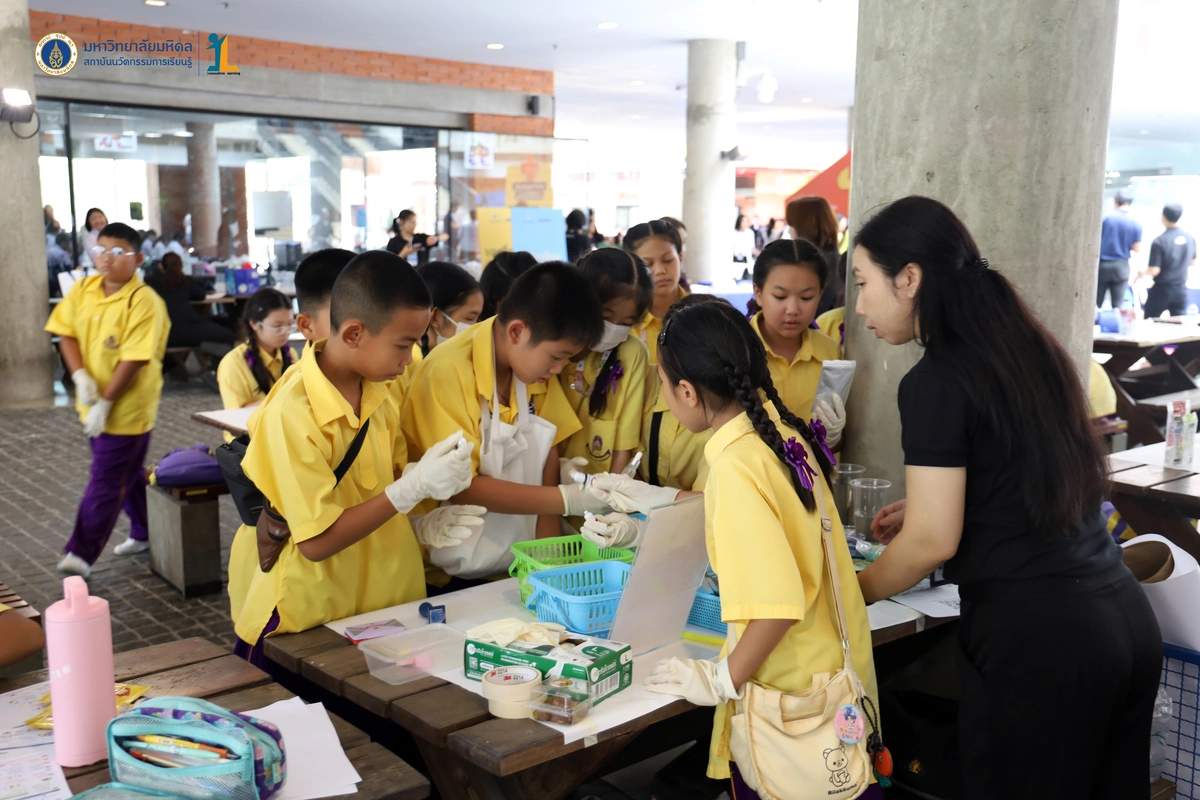
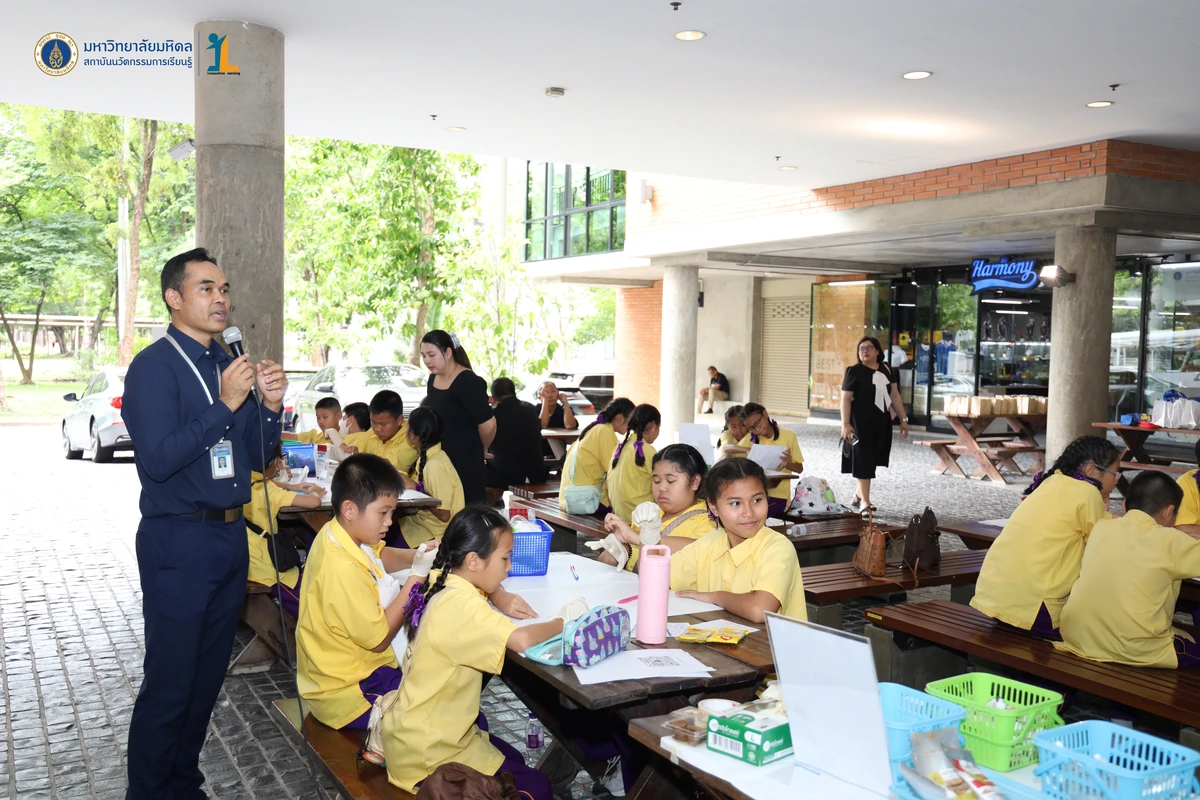
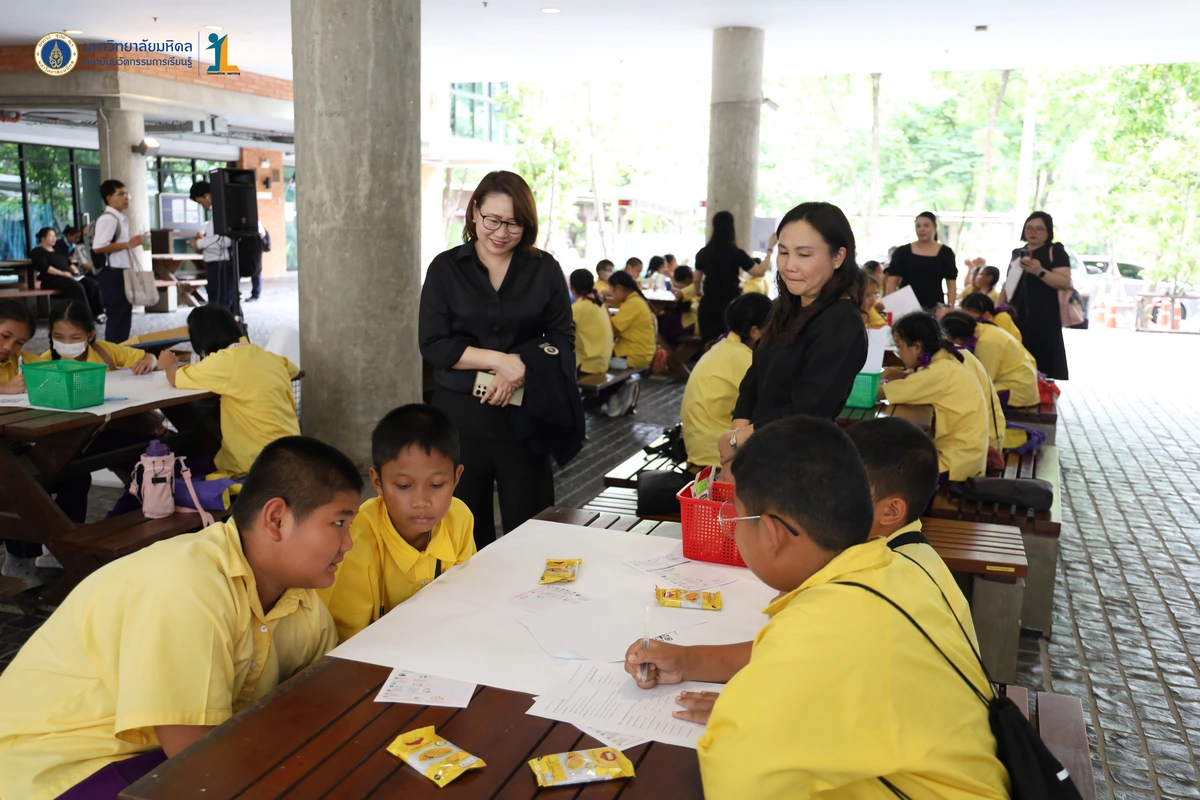
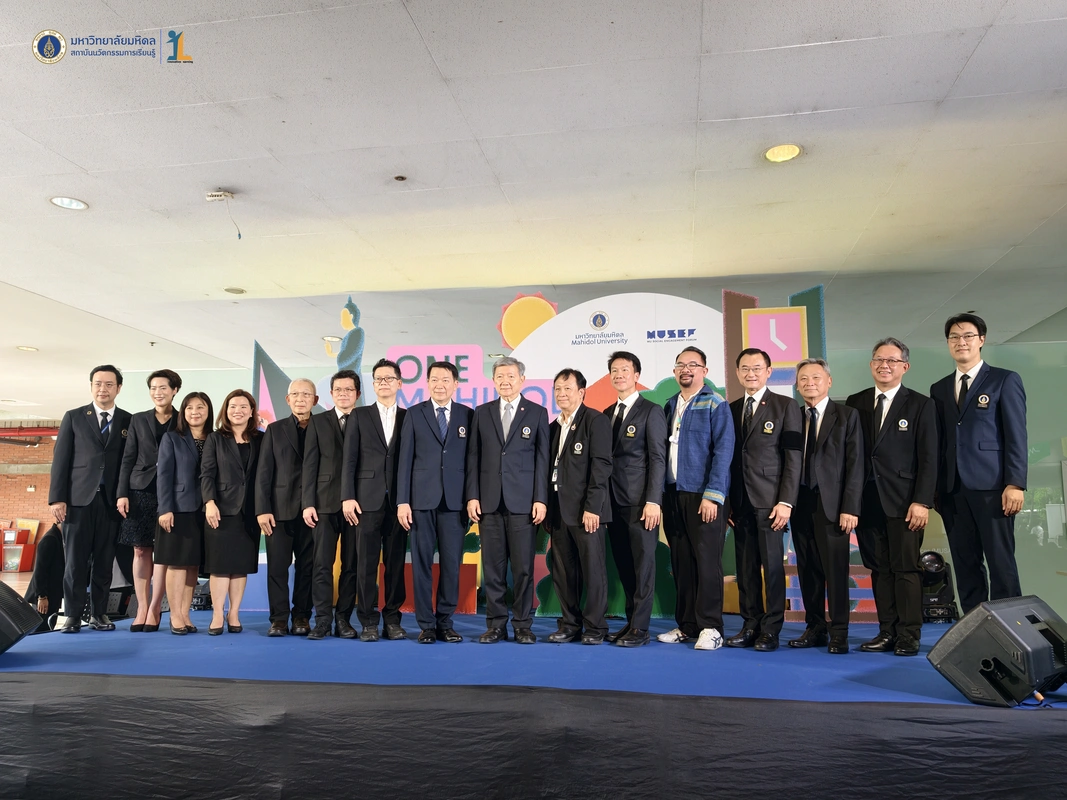
Asst. Prof. Dr. Piyachat Jittatham, Director of the Institute for Innovative Learning (IL), Mahidol University, together with the IL management team—Asst. Prof. Dr. Watcharee Kespichaiyarong, Deputy Director for Administration; Asst. Prof. Dr. Namkhang Srivattanarotai, Deputy Director for Education and Network; Asst. Prof. Dr. Pirom Chenprakhon, Deputy Director for Research and Innovation; and Asst. Prof. Dr. Wararat Wongkiat, Chair of the Program—participated in the “One Mahidol One Tambon Kickoff 2026” at the Dok Kanphai Courtyard, Mahidol Learning Center (MLC), Mahidol University.
The event marked the official kickoff and raised awareness of the One Mahidol One Tambon initiative, which aims to develop Salaya Subdistrict as a model University–Community Living Lab by connecting knowledge, technology, and collaboration among the university, government agencies, and local communities. The initiative seeks to address community needs and improve quality of life through practical and sustainable area-based development.
The event featured an opening ceremony, presentations on the implementation of the One Mahidol One Tambon Projects, and the signing of a Memorandum of Understanding (MOU) between Mahidol University and key local partners, including the District Chief Officer of Phutthamonthon, Mayor of Salaya Subdistrict Municipality, and President of Salaya Subdistrict Administrative Organization. The collaboration establishes a mechanism for systematic cooperation in driving the development of the Salaya area.
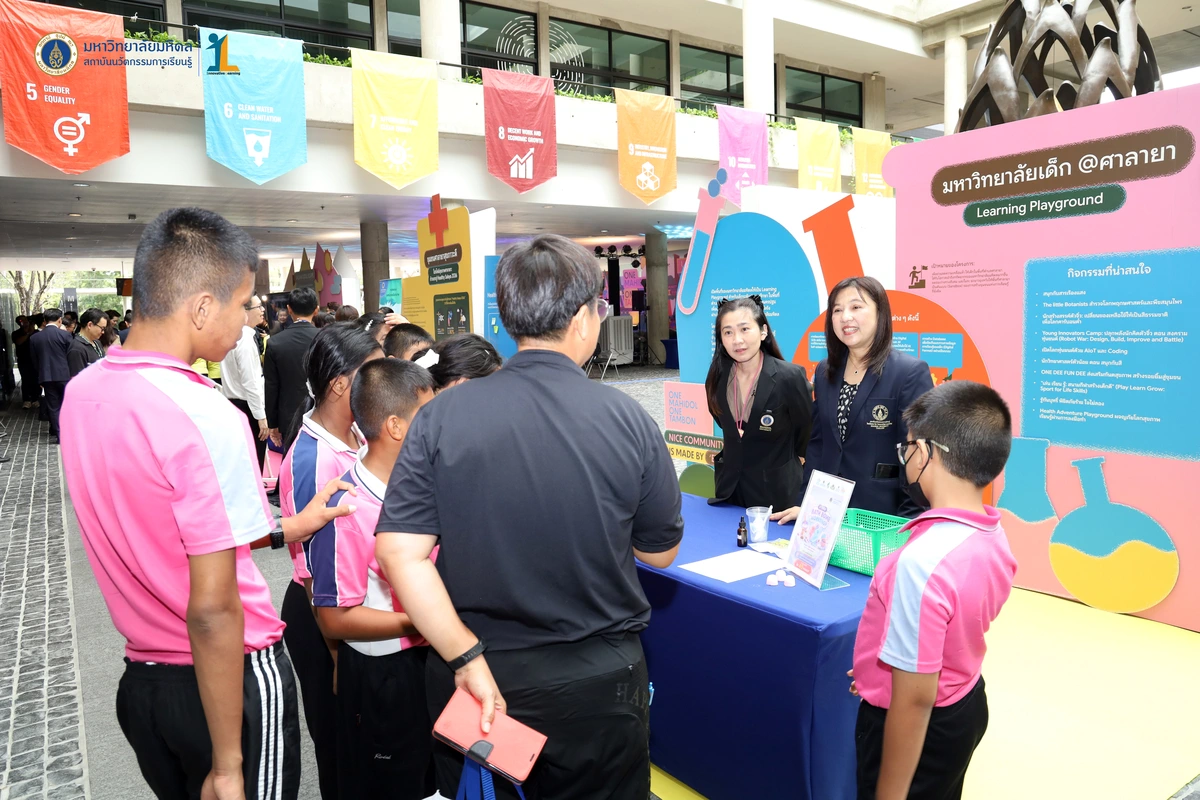
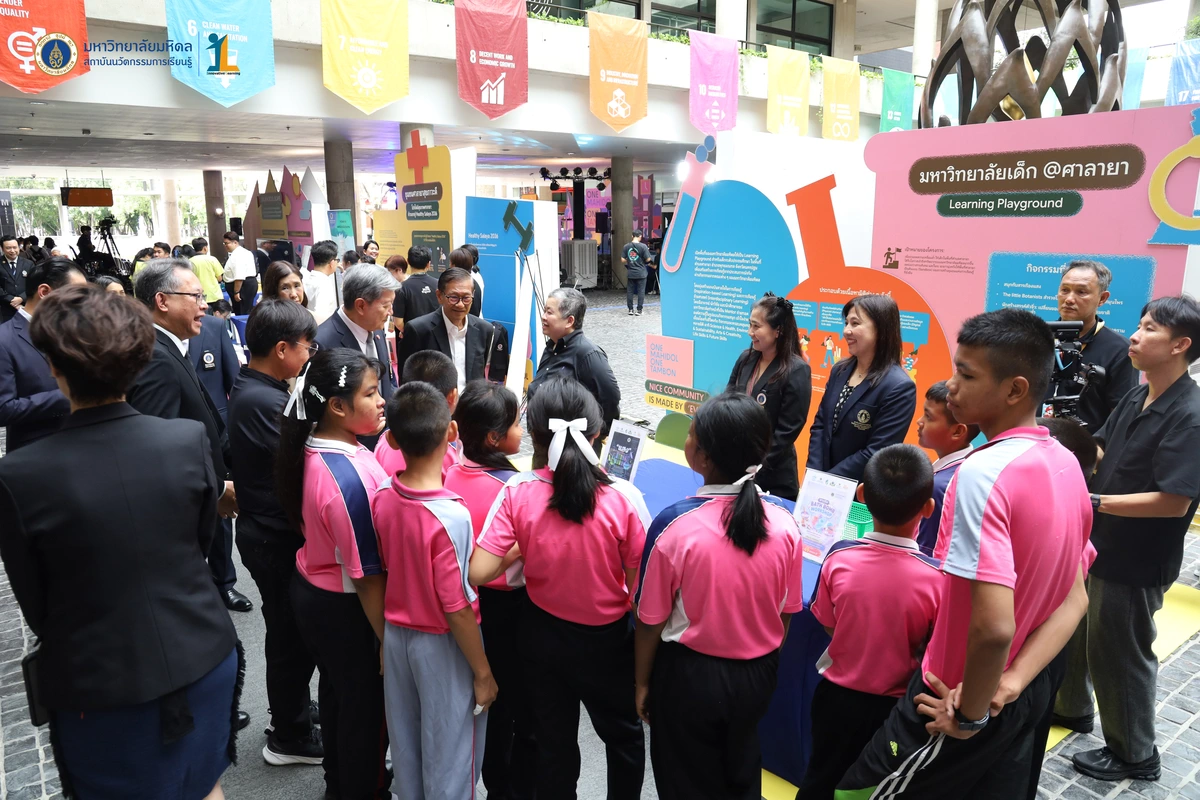
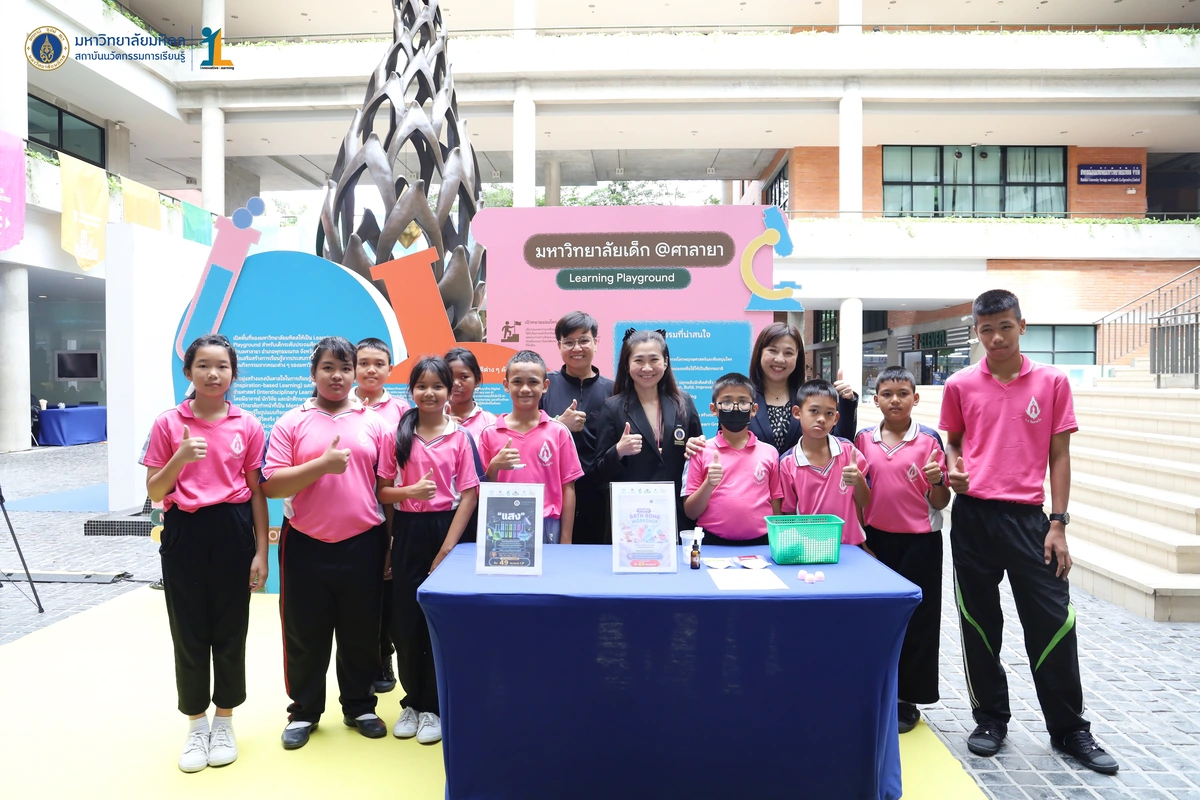
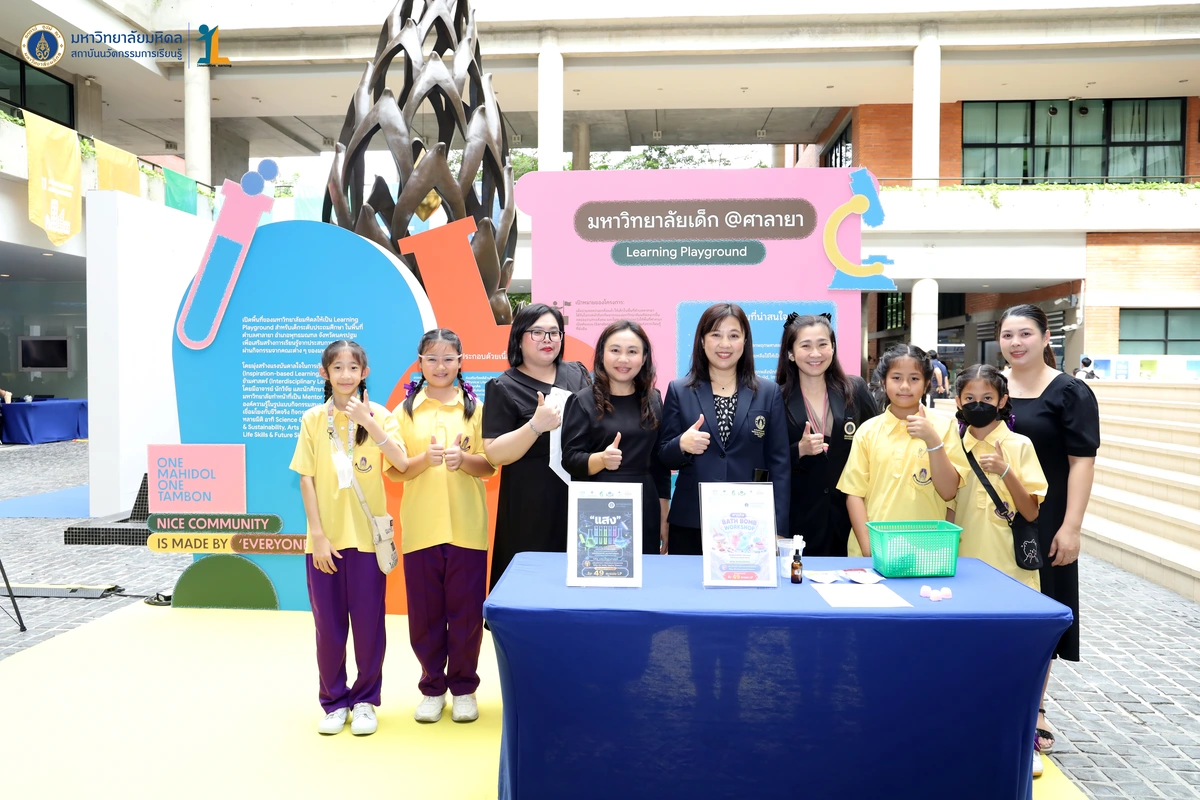
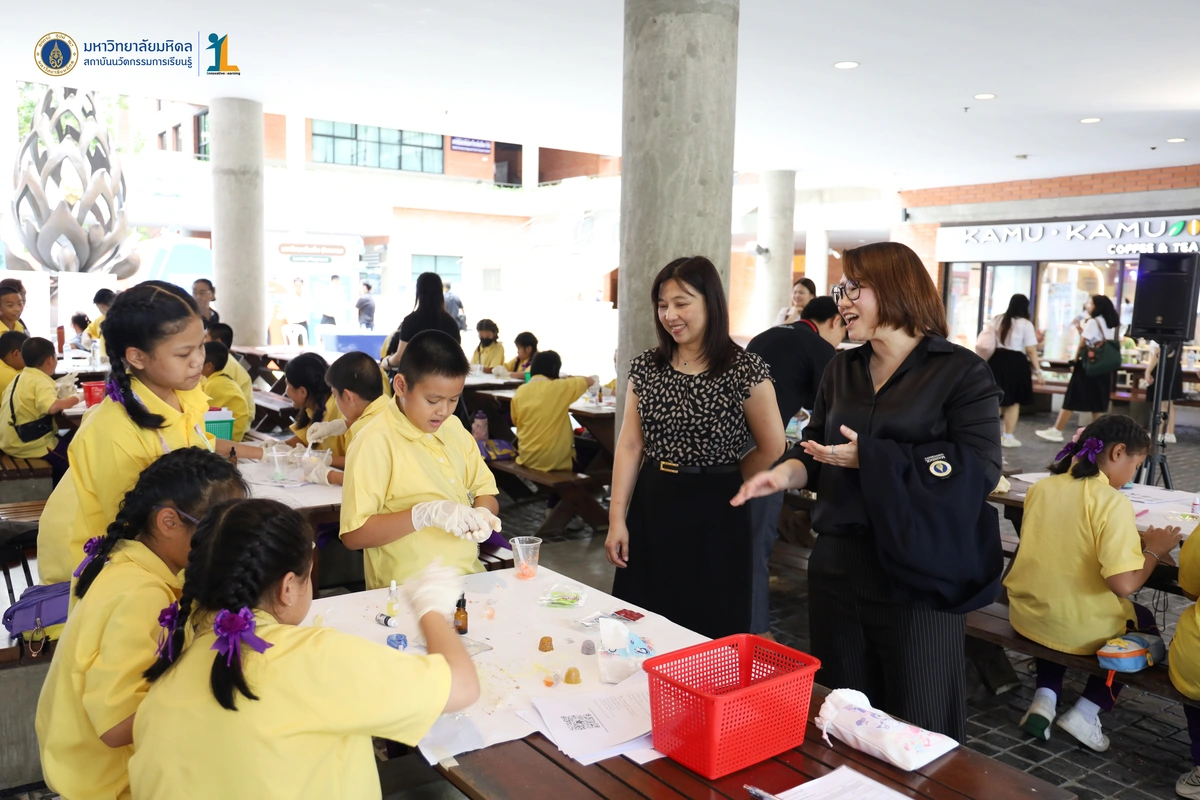
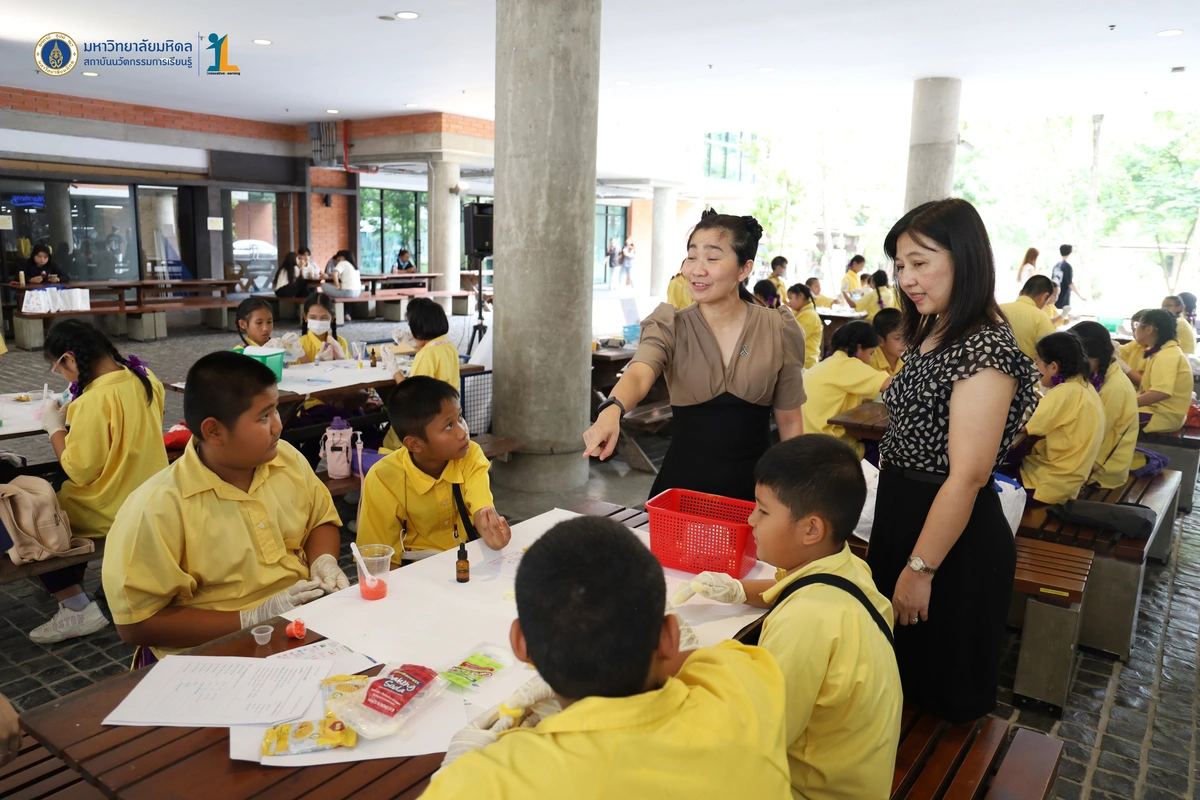
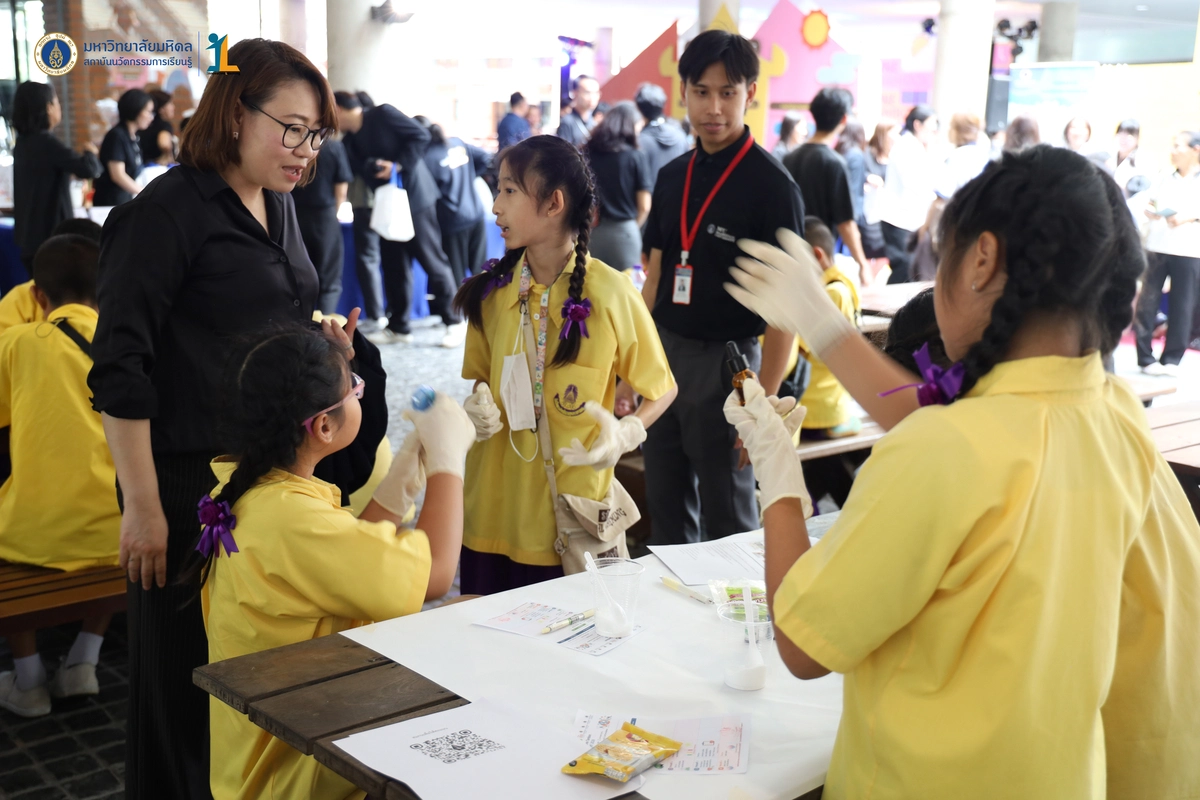
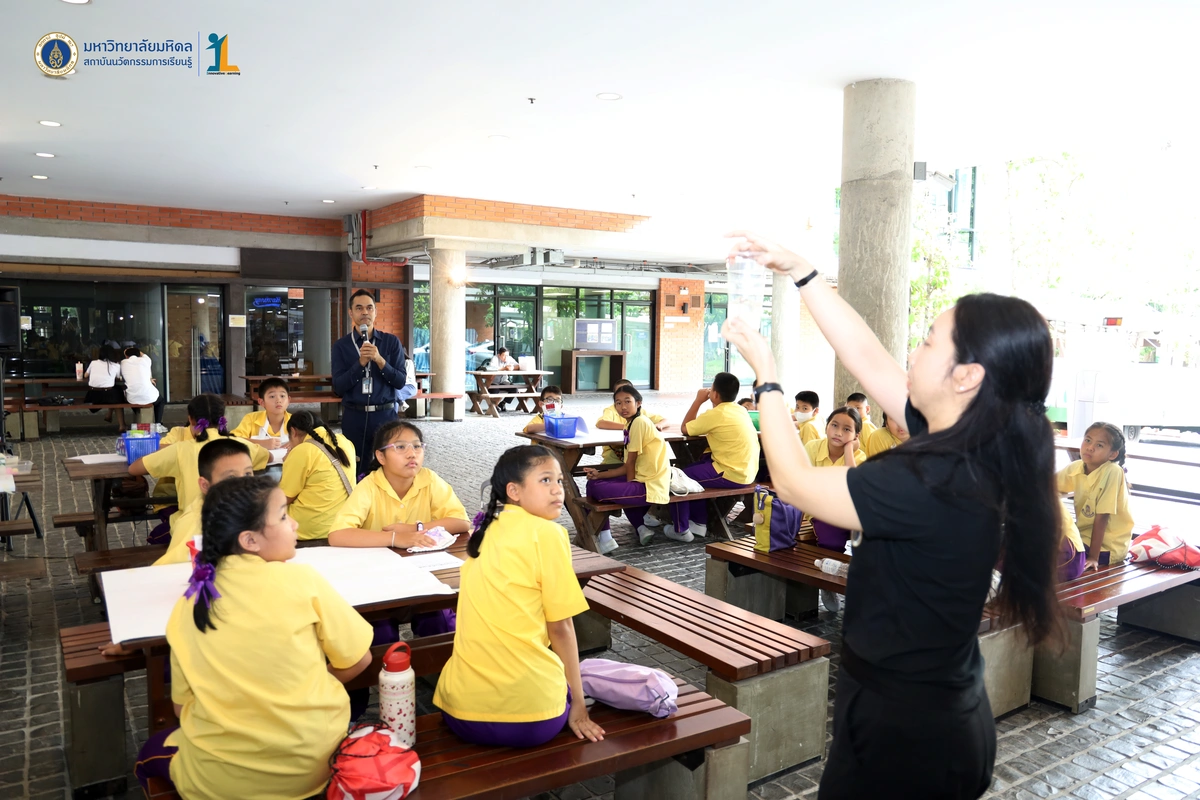
The One Mahidol One Tambon initiative integrates expertise from multiple disciplines through five key projects: Mahidol University Children’s University; Healthy Salaya Community; Community Together: Promoting Well-being and Safety for All Ages; Integrated Biomass Management Center, Mahidol University, Salaya Campus; and the development of tourism routes and activities based on the identity, culture, and way of life of the Salaya community, with the vision of transforming Salaya into a creative district, “SALAYA SOULSCAPE.”
Within this context, the Institute for Innovative Learning plays an important role in supporting Mahidol University’s mission in learning and innovation by connecting university knowledge with practical applications in real community contexts. IL contributes expertise in Learning Innovation, Educational Technology, Learning Design, and learning capacity development, supporting knowledge transfer and the design of learning processes that can be appropriately applied to address local needs and create meaningful change.
The participation of IL’s Director and management team demonstrates the Institute’s Contribution to Mahidol University’s mission for society through the integration of its expertise in learning innovation, educational technology, and learning capacity development with community engagement and multi-sector collaboration. This role aligns with the University’s direction toward becoming a Knowledge & Innovation Hub that leverages knowledge and technology to support sustainable area-based development.
The expected Impact of integrating university knowledge and innovation with the Salaya community is the creation of a collaborative ecosystem in which knowledge can be translated into practical solutions responding to community challenges and needs. At the same time, the initiative creates opportunities for co-learning among the university, community, government, and public sectors, contributing to local capacity building, improved quality of life, and a scalable model of university–community collaboration.
Through its participation in One Mahidol One Tambon, the Institute for Innovative Learning continues to advance its role in “bringing knowledge to create change” by connecting learning innovation with community development and contributing to a learning ecosystem that supports Salaya’s transformation into a potential model area for sustainable development.
This engagement reflects IL’s continued commitment to connecting knowledge, innovation, people, and communities to create sustainable value and positive social impact.
* Individuals appearing in this article who wish to have their images removed, please contact us at 0-2441-9729 or ilpdpa@mahidol.ac.th.