
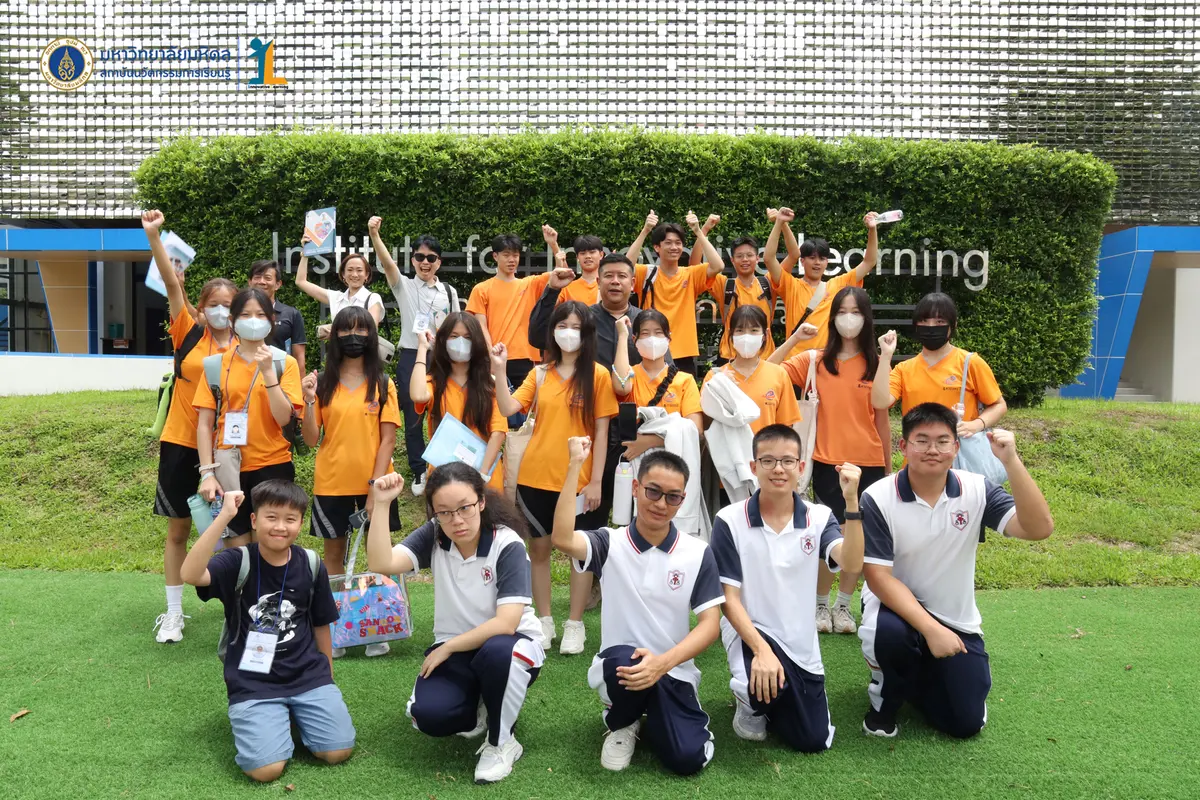
The Institute for Innovative Learning (IL), Mahidol University, organized the workshop “Exploring Science and Innovation” for Grade 8 and Grade 10 students from Sunflower Trilingual School (STS) on August 14, 2026, at Classrooms 201–202, 2nd Floor, Institute for Innovative Learning, Mahidol University, Salaya, Nakhon Pathom. The opening ceremony was presided over by Asst. Prof. Dr. Pirom Chenprakhon, Deputy Director for Research and Innovation, who welcomed the participating teachers and students.
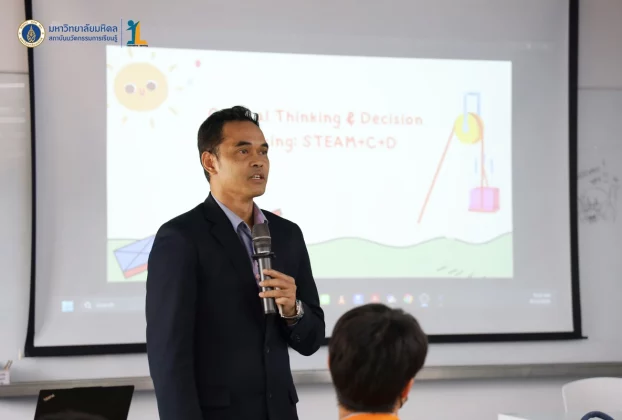
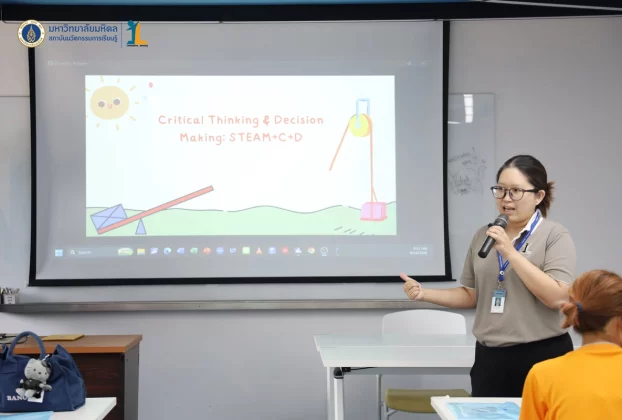
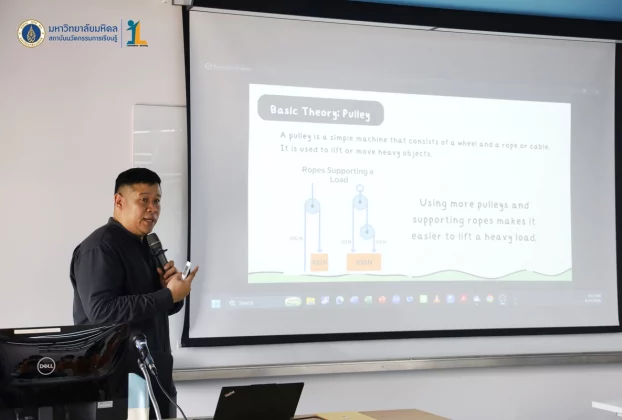
The workshop featured “Critical Thinking and Decision Making: STEAM+C+D – Building Simple Machines”, an activity designed to engage students in thinking, analyzing, decision-making, and hands-on creation. The activity integrated concepts from STEAM, Critical Thinking, Decision Making, and Design Thinking to strengthen students’ problem-solving, creativity, teamwork, and ability to design solutions based on identified challenges.
The learning process began with Module 1: “Introduction to the Activity, Team Empathize, and Problem Definition.” Students were introduced to the overall Design Thinking process and the objectives of the activity. Working in teams, they explored the problem and defined a specific challenge to be addressed through the design of a simple machine. This process encouraged students to consider problems from the users’ perspectives and establish a clear problem statement before developing their solutions.
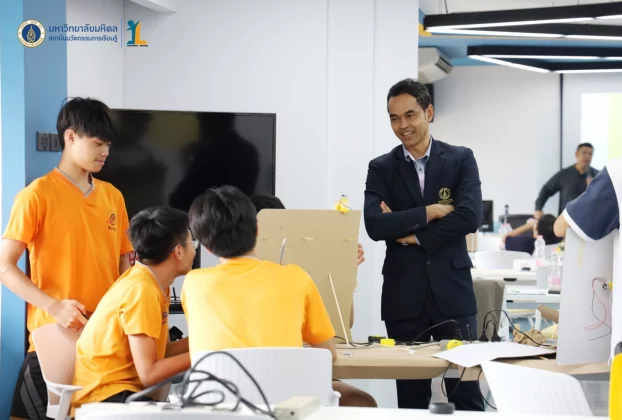
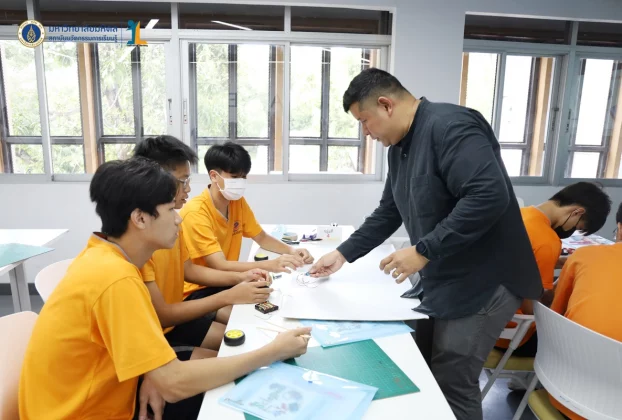
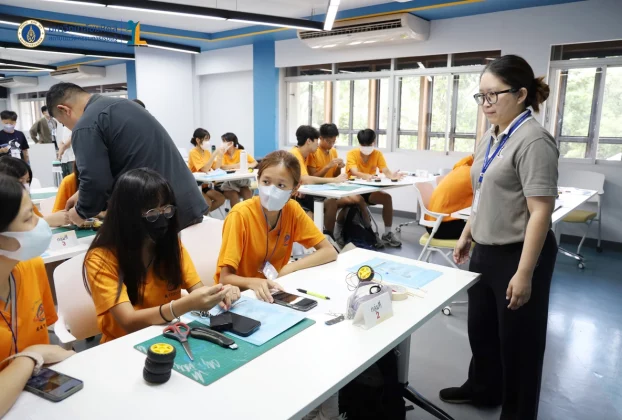
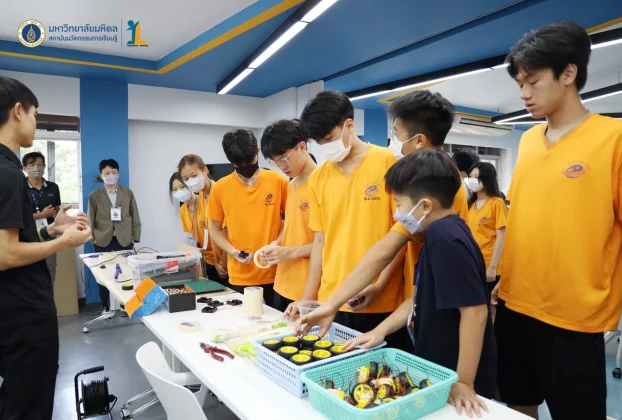
The activity continued with Module 2: “Brainstorming and Prototyping.” Students used brainstorming techniques to generate ideas for simple machines that could address the identified problem. They then translated their ideas into drawings before using accessible materials, including paper, wooden boxes, popsicle sticks, wire, and plastic, to construct prototypes based on their selected concepts.
Students then continued with Module 2: “Brainstorming and Prototyping with Testing,” where they tested their prototypes with actual users or other team members. Through observation and feedback, students explored how their prototypes performed and considered ways to improve their designs. This hands-on process allowed them to experience the importance of testing, gathering user feedback, and refining solutions based on evidence and practical experience.
The final stage, Module 3: “Receiving Feedback, Presentation, and Reflection,” provided opportunities for each team to present its developed prototype, receive feedback, observe how the prototype was used, and make improvements where appropriate. Students then summarized what they had learned and shared their experiences with their peers. The activity strengthened communication, active listening, reflection, and learning through experience.
The workshop was conducted by a team of instructors, including Asst. Prof. Dr. Mon-amorn Precharat, Dr. Phongphatai Kitroongrojjanaporn, and Mr. Namchok Khunmuenwong, who provided guidance and support to students throughout the workshop.
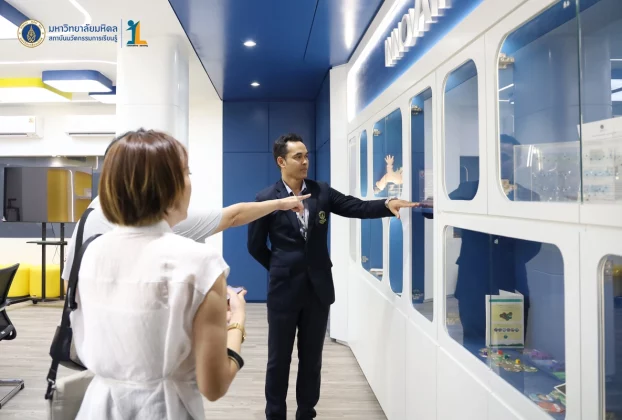
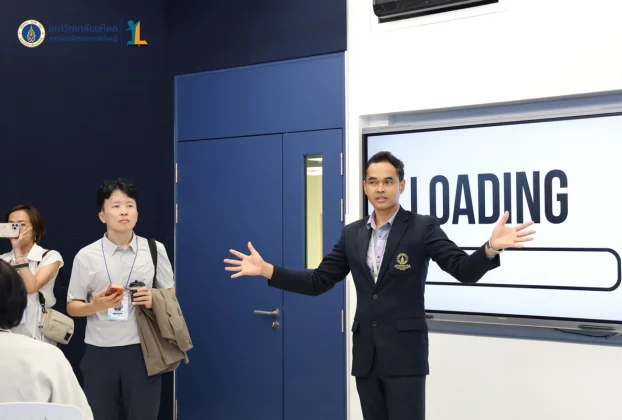
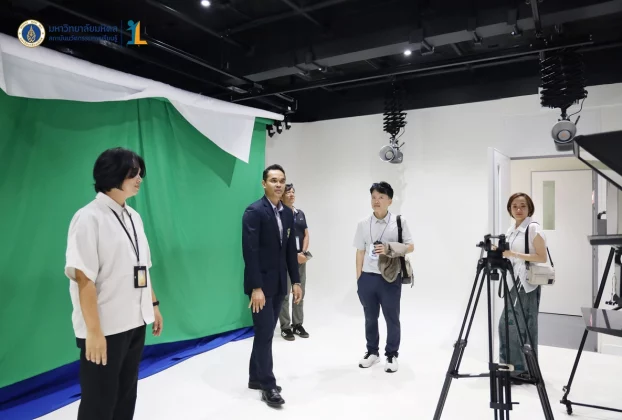
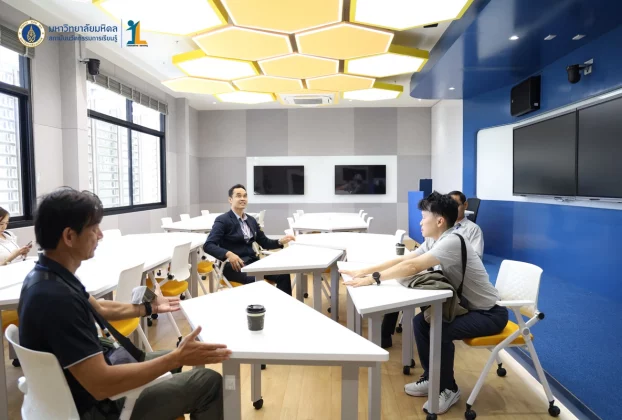
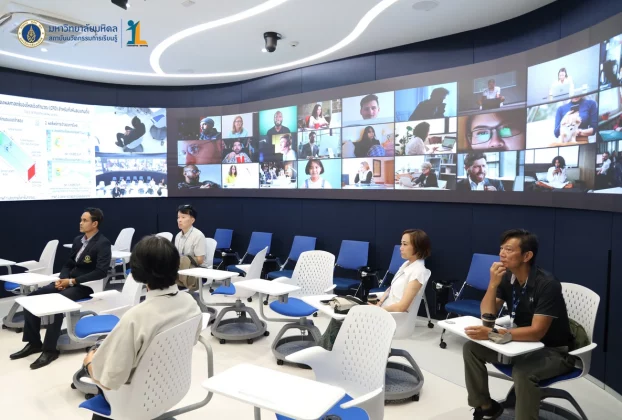
In addition, the Institute for Innovative Learning, Mahidol University, welcomed teachers from Tantasai Trilingual School for a visit to the Institute’s learning resources and modern teaching and learning facilities, including the Mahidol Media Lab, Multimedia Studio, Master Classroom, and Virtual Classroom. The visit provided teachers with opportunities to explore approaches to integrating digital technologies and multimedia into teaching and learning, as well as to gain insights into the design of modern learning environments that support education in the digital era.
The workshop demonstrated the Institute for Innovative Learning’s contribution to translating its expertise in learning innovation, educational technology, and experiential learning design into practical learning experiences. Through the Design Thinking process, students were encouraged to understand problems, generate ideas, create prototypes, test their solutions, receive feedback, and present and reflect on their learning experiences.
From an impact perspective, the activity supported the development of essential future-ready competencies, including analytical thinking, creativity, decision-making, problem-solving, communication, and teamwork. At the same time, the teachers’ visit to the Institute’s learning facilities extended the impact beyond student development by creating opportunities for professional exchange and encouraging teachers to explore how educational technology and innovative learning environments can be applied within their own school context.
The “Exploring Science and Innovation” workshop therefore represents another initiative through which the Institute for Innovative Learning connects knowledge, innovation, and educational technology with students and educational institutions. By designing learner-centered experiences that emphasize hands-on practice, creative problem-solving, and reflection, IL continues to support learners and teachers in applying knowledge, developing new ideas, and creating meaningful learning innovations for the future.
* Individuals appearing in this article who wish to have their images removed, please contact us at 0-2441-9729 or ilpdpa@mahidol.ac.th.